Get trending papers in your email inbox once a day!
Get trending papers in your email inbox!
Subscribe


Automated PII Extraction from Social Media for Raising Privacy Awareness: A Deep Transfer Learning Approach
Internet users have been exposing an increasing amount of Personally Identifiable Information (PII) on social media. Such exposed PII can cause severe losses to the users, and informing users of their PII exposure is crucial to raise their privacy awareness and encourage them to take protective measures. To this end, advanced automatic techniques are needed. While Information Extraction (IE) techniques can be used to extract the PII automatically, Deep Learning (DL)-based IE models alleviate the need for feature engineering and further improve the efficiency. However, DL-based IE models often require large-scale labeled data for training, but PII-labeled social media posts are difficult to obtain due to privacy concerns. Also, these models rely heavily on pre-trained word embeddings, while PII in social media often varies in forms and thus has no fixed representations in pre-trained word embeddings. In this study, we propose the Deep Transfer Learning for PII Extraction (DTL-PIIE) framework to address these two limitations. DTL-PIIE transfers knowledge learned from publicly available PII data to social media to address the problem of rare PII-labeled data. Moreover, our framework leverages Graph Convolutional Networks (GCNs) to incorporate syntactic patterns to guide PIIE without relying on pre-trained word embeddings. Evaluation against benchmark IE models indicates that our approach outperforms state-of-the-art DL-based IE models. Our framework can facilitate various applications, such as PII misuse prediction and privacy risk assessment, protecting the privacy of internet users.
Wordflow: Social Prompt Engineering for Large Language Models
Large language models (LLMs) require well-crafted prompts for effective use. Prompt engineering, the process of designing prompts, is challenging, particularly for non-experts who are less familiar with AI technologies. While researchers have proposed techniques and tools to assist LLM users in prompt design, these works primarily target AI application developers rather than non-experts. To address this research gap, we propose social prompt engineering, a novel paradigm that leverages social computing techniques to facilitate collaborative prompt design. To investigate social prompt engineering, we introduce Wordflow, an open-source and social text editor that enables everyday users to easily create, run, share, and discover LLM prompts. Additionally, by leveraging modern web technologies, Wordflow allows users to run LLMs locally and privately in their browsers. Two usage scenarios highlight how social prompt engineering and our tool can enhance laypeople's interaction with LLMs. Wordflow is publicly accessible at https://poloclub.github.io/wordflow.


Context Engineering 2.0: The Context of Context Engineering
Karl Marx once wrote that ``the human essence is the ensemble of social relations'', suggesting that individuals are not isolated entities but are fundamentally shaped by their interactions with other entities, within which contexts play a constitutive and essential role. With the advent of computers and artificial intelligence, these contexts are no longer limited to purely human--human interactions: human--machine interactions are included as well. Then a central question emerges: How can machines better understand our situations and purposes? To address this challenge, researchers have recently introduced the concept of context engineering. Although it is often regarded as a recent innovation of the agent era, we argue that related practices can be traced back more than twenty years. Since the early 1990s, the field has evolved through distinct historical phases, each shaped by the intelligence level of machines: from early human--computer interaction frameworks built around primitive computers, to today's human--agent interaction paradigms driven by intelligent agents, and potentially to human--level or superhuman intelligence in the future. In this paper, we situate context engineering, provide a systematic definition, outline its historical and conceptual landscape, and examine key design considerations for practice. By addressing these questions, we aim to offer a conceptual foundation for context engineering and sketch its promising future. This paper is a stepping stone for a broader community effort toward systematic context engineering in AI systems.


S^3: Social-network Simulation System with Large Language Model-Empowered Agents
Social network simulation plays a crucial role in addressing various challenges within social science. It offers extensive applications such as state prediction, phenomena explanation, and policy-making support, among others. In this work, we harness the formidable human-like capabilities exhibited by large language models (LLMs) in sensing, reasoning, and behaving, and utilize these qualities to construct the S^3 system (short for Social network Simulation System). Adhering to the widely employed agent-based simulation paradigm, we employ prompt engineering and prompt tuning techniques to ensure that the agent's behavior closely emulates that of a genuine human within the social network. Specifically, we simulate three pivotal aspects: emotion, attitude, and interaction behaviors. By endowing the agent in the system with the ability to perceive the informational environment and emulate human actions, we observe the emergence of population-level phenomena, including the propagation of information, attitudes, and emotions. We conduct an evaluation encompassing two levels of simulation, employing real-world social network data. Encouragingly, the results demonstrate promising accuracy. This work represents an initial step in the realm of social network simulation empowered by LLM-based agents. We anticipate that our endeavors will serve as a source of inspiration for the development of simulation systems within, but not limited to, social science.

Social Simulacra: Creating Populated Prototypes for Social Computing Systems
Social computing prototypes probe the social behaviors that may arise in an envisioned system design. This prototyping practice is currently limited to recruiting small groups of people. Unfortunately, many challenges do not arise until a system is populated at a larger scale. Can a designer understand how a social system might behave when populated, and make adjustments to the design before the system falls prey to such challenges? We introduce social simulacra, a prototyping technique that generates a breadth of realistic social interactions that may emerge when a social computing system is populated. Social simulacra take as input the designer's description of a community's design -- goal, rules, and member personas -- and produce as output an instance of that design with simulated behavior, including posts, replies, and anti-social behaviors. We demonstrate that social simulacra shift the behaviors that they generate appropriately in response to design changes, and that they enable exploration of "what if?" scenarios where community members or moderators intervene. To power social simulacra, we contribute techniques for prompting a large language model to generate thousands of distinct community members and their social interactions with each other; these techniques are enabled by the observation that large language models' training data already includes a wide variety of positive and negative behavior on social media platforms. In evaluations, we show that participants are often unable to distinguish social simulacra from actual community behavior and that social computing designers successfully refine their social computing designs when using social simulacra.
Intent-based Prompt Calibration: Enhancing prompt optimization with synthetic boundary cases
Prompt engineering is a challenging and important task due to the high sensitivity of Large Language Models (LLMs) to the given prompt and the inherent ambiguity of a textual task instruction. Automatic prompt engineering is essential to achieve optimized performance from LLMs. Recent studies have demonstrated the capabilities of LLMs to automatically conduct prompt engineering by employing a meta-prompt that incorporates the outcomes of the last trials and proposes an improved prompt. However, this requires a high-quality benchmark to compare different prompts, which is difficult and expensive to acquire in many real-world use cases. In this work, we introduce a new method for automatic prompt engineering, using a calibration process that iteratively refines the prompt to the user intent. During the optimization process, the system jointly generates synthetic data of boundary use cases and optimizes the prompt according to the generated dataset. We demonstrate the effectiveness of our method with respect to strong proprietary models on real-world tasks such as moderation and generation. Our method outperforms state-of-the-art methods with a limited number of annotated samples. Furthermore, we validate the advantages of each one of the system's key components. Our system is built in a modular way, facilitating easy adaptation to other tasks. The code is available https://github.com/Eladlev/AutoPrompt{here}.

Feedback-Based Self-Learning in Large-Scale Conversational AI Agents
Today, most large-scale conversational AI agents (e.g. Alexa, Siri, or Google Assistant) are built using manually annotated data to train the different components of the system. Typically, the accuracy of the ML models in these components are improved by manually transcribing and annotating data. As the scope of these systems increase to cover more scenarios and domains, manual annotation to improve the accuracy of these components becomes prohibitively costly and time consuming. In this paper, we propose a system that leverages user-system interaction feedback signals to automate learning without any manual annotation. Users here tend to modify a previous query in hopes of fixing an error in the previous turn to get the right results. These reformulations, which are often preceded by defective experiences caused by errors in ASR, NLU, ER or the application. In some cases, users may not properly formulate their requests (e.g. providing partial title of a song), but gleaning across a wider pool of users and sessions reveals the underlying recurrent patterns. Our proposed self-learning system automatically detects the errors, generate reformulations and deploys fixes to the runtime system to correct different types of errors occurring in different components of the system. In particular, we propose leveraging an absorbing Markov Chain model as a collaborative filtering mechanism in a novel attempt to mine these patterns. We show that our approach is highly scalable, and able to learn reformulations that reduce Alexa-user errors by pooling anonymized data across millions of customers. The proposed self-learning system achieves a win/loss ratio of 11.8 and effectively reduces the defect rate by more than 30% on utterance level reformulations in our production A/B tests. To the best of our knowledge, this is the first self-learning large-scale conversational AI system in production.

Accounting for AI and Users Shaping One Another: The Role of Mathematical Models
As AI systems enter into a growing number of societal domains, these systems increasingly shape and are shaped by user preferences, opinions, and behaviors. However, the design of AI systems rarely accounts for how AI and users shape one another. In this position paper, we argue for the development of formal interaction models which mathematically specify how AI and users shape one another. Formal interaction models can be leveraged to (1) specify interactions for implementation, (2) monitor interactions through empirical analysis, (3) anticipate societal impacts via counterfactual analysis, and (4) control societal impacts via interventions. The design space of formal interaction models is vast, and model design requires careful consideration of factors such as style, granularity, mathematical complexity, and measurability. Using content recommender systems as a case study, we critically examine the nascent literature of formal interaction models with respect to these use-cases and design axes. More broadly, we call for the community to leverage formal interaction models when designing, evaluating, or auditing any AI system which interacts with users.
A Multimodal Social Agent
In recent years, large language models (LLMs) have demonstrated remarkable progress in common-sense reasoning tasks. This ability is fundamental to understanding social dynamics, interactions, and communication. However, the potential of integrating computers with these social capabilities is still relatively unexplored. However, the potential of integrating computers with these social capabilities is still relatively unexplored. This paper introduces MuSA, a multimodal LLM-based agent that analyzes text-rich social content tailored to address selected human-centric content analysis tasks, such as question answering, visual question answering, title generation, and categorization. It uses planning, reasoning, acting, optimizing, criticizing, and refining strategies to complete a task. Our approach demonstrates that MuSA can automate and improve social content analysis, helping decision-making processes across various applications. We have evaluated our agent's capabilities in question answering, title generation, and content categorization tasks. MuSA performs substantially better than our baselines.
LEXI: Large Language Models Experimentation Interface
The recent developments in Large Language Models (LLM), mark a significant moment in the research and development of social interactions with artificial agents. These agents are widely deployed in a variety of settings, with potential impact on users. However, the study of social interactions with agents powered by LLM is still emerging, limited by access to the technology and to data, the absence of standardised interfaces, and challenges to establishing controlled experimental setups using the currently available business-oriented platforms. To answer these gaps, we developed LEXI, LLMs Experimentation Interface, an open-source tool enabling the deployment of artificial agents powered by LLM in social interaction behavioural experiments. Using a graphical interface, LEXI allows researchers to build agents, and deploy them in experimental setups along with forms and questionnaires while collecting interaction logs and self-reported data. The outcomes of usability testing indicate LEXI's broad utility, high usability and minimum mental workload requirement, with distinctive benefits observed across disciplines. A proof-of-concept study exploring the tool's efficacy in evaluating social HAIs was conducted, resulting in high-quality data. A comparison of empathetic versus neutral agents indicated that people perceive empathetic agents as more social, and write longer and more positive messages towards them.

AutoDev: Automated AI-Driven Development
The landscape of software development has witnessed a paradigm shift with the advent of AI-powered assistants, exemplified by GitHub Copilot. However, existing solutions are not leveraging all the potential capabilities available in an IDE such as building, testing, executing code, git operations, etc. Therefore, they are constrained by their limited capabilities, primarily focusing on suggesting code snippets and file manipulation within a chat-based interface. To fill this gap, we present AutoDev, a fully automated AI-driven software development framework, designed for autonomous planning and execution of intricate software engineering tasks. AutoDev enables users to define complex software engineering objectives, which are assigned to AutoDev's autonomous AI Agents to achieve. These AI agents can perform diverse operations on a codebase, including file editing, retrieval, build processes, execution, testing, and git operations. They also have access to files, compiler output, build and testing logs, static analysis tools, and more. This enables the AI Agents to execute tasks in a fully automated manner with a comprehensive understanding of the contextual information required. Furthermore, AutoDev establishes a secure development environment by confining all operations within Docker containers. This framework incorporates guardrails to ensure user privacy and file security, allowing users to define specific permitted or restricted commands and operations within AutoDev. In our evaluation, we tested AutoDev on the HumanEval dataset, obtaining promising results with 91.5% and 87.8% of Pass@1 for code generation and test generation respectively, demonstrating its effectiveness in automating software engineering tasks while maintaining a secure and user-controlled development environment.
Unleashing the potential of prompt engineering in Large Language Models: a comprehensive review
This paper delves into the pivotal role of prompt engineering in unleashing the capabilities of Large Language Models (LLMs). Prompt engineering is the process of structuring input text for LLMs and is a technique integral to optimizing the efficacy of LLMs. This survey elucidates foundational principles of prompt engineering, such as role-prompting, one-shot, and few-shot prompting, as well as more advanced methodologies such as the chain-of-thought and tree-of-thoughts prompting. The paper sheds light on how external assistance in the form of plugins can assist in this task, and reduce machine hallucination by retrieving external knowledge. We subsequently delineate prospective directions in prompt engineering research, emphasizing the need for a deeper understanding of structures and the role of agents in Artificial Intelligence-Generated Content (AIGC) tools. We discuss how to assess the efficacy of prompt methods from different perspectives and using different methods. Finally, we gather information about the application of prompt engineering in such fields as education and programming, showing its transformative potential. This comprehensive survey aims to serve as a friendly guide for anyone venturing through the big world of LLMs and prompt engineering.

Don't Trust Generative Agents to Mimic Communication on Social Networks Unless You Benchmarked their Empirical Realism
The ability of Large Language Models (LLMs) to mimic human behavior triggered a plethora of computational social science research, assuming that empirical studies of humans can be conducted with AI agents instead. Since there have been conflicting research findings on whether and when this hypothesis holds, there is a need to better understand the differences in their experimental designs. We focus on replicating the behavior of social network users with the use of LLMs for the analysis of communication on social networks. First, we provide a formal framework for the simulation of social networks, before focusing on the sub-task of imitating user communication. We empirically test different approaches to imitate user behavior on X in English and German. Our findings suggest that social simulations should be validated by their empirical realism measured in the setting in which the simulation components were fitted. With this paper, we argue for more rigor when applying generative-agent-based modeling for social simulation.

Learned Feature Importance Scores for Automated Feature Engineering
Feature engineering has demonstrated substantial utility for many machine learning workflows, such as in the small data regime or when distribution shifts are severe. Thus automating this capability can relieve much manual effort and improve model performance. Towards this, we propose AutoMAN, or Automated Mask-based Feature Engineering, an automated feature engineering framework that achieves high accuracy, low latency, and can be extended to heterogeneous and time-varying data. AutoMAN is based on effectively exploring the candidate transforms space, without explicitly manifesting transformed features. This is achieved by learning feature importance masks, which can be extended to support other modalities such as time series. AutoMAN learns feature transform importance end-to-end, incorporating a dataset's task target directly into feature engineering, resulting in state-of-the-art performance with significantly lower latency compared to alternatives.
Assessing the Ability of ChatGPT to Screen Articles for Systematic Reviews
By organizing knowledge within a research field, Systematic Reviews (SR) provide valuable leads to steer research. Evidence suggests that SRs have become first-class artifacts in software engineering. However, the tedious manual effort associated with the screening phase of SRs renders these studies a costly and error-prone endeavor. While screening has traditionally been considered not amenable to automation, the advent of generative AI-driven chatbots, backed with large language models is set to disrupt the field. In this report, we propose an approach to leverage these novel technological developments for automating the screening of SRs. We assess the consistency, classification performance, and generalizability of ChatGPT in screening articles for SRs and compare these figures with those of traditional classifiers used in SR automation. Our results indicate that ChatGPT is a viable option to automate the SR processes, but requires careful considerations from developers when integrating ChatGPT into their SR tools.

Agentic Web: Weaving the Next Web with AI Agents
The emergence of AI agents powered by large language models (LLMs) marks a pivotal shift toward the Agentic Web, a new phase of the internet defined by autonomous, goal-driven interactions. In this paradigm, agents interact directly with one another to plan, coordinate, and execute complex tasks on behalf of users. This transition from human-driven to machine-to-machine interaction allows intent to be delegated, relieving users from routine digital operations and enabling a more interactive, automated web experience. In this paper, we present a structured framework for understanding and building the Agentic Web. We trace its evolution from the PC and Mobile Web eras and identify the core technological foundations that support this shift. Central to our framework is a conceptual model consisting of three key dimensions: intelligence, interaction, and economics. These dimensions collectively enable the capabilities of AI agents, such as retrieval, recommendation, planning, and collaboration. We analyze the architectural and infrastructural challenges involved in creating scalable agentic systems, including communication protocols, orchestration strategies, and emerging paradigms such as the Agent Attention Economy. We conclude by discussing the potential applications, societal risks, and governance issues posed by agentic systems, and outline research directions for developing open, secure, and intelligent ecosystems shaped by both human intent and autonomous agent behavior. A continuously updated collection of relevant studies for agentic web is available at: https://github.com/SafeRL-Lab/agentic-web.
Search, Verify and Feedback: Towards Next Generation Post-training Paradigm of Foundation Models via Verifier Engineering
The evolution of machine learning has increasingly prioritized the development of powerful models and more scalable supervision signals. However, the emergence of foundation models presents significant challenges in providing effective supervision signals necessary for further enhancing their capabilities. Consequently, there is an urgent need to explore novel supervision signals and technical approaches. In this paper, we propose verifier engineering, a novel post-training paradigm specifically designed for the era of foundation models. The core of verifier engineering involves leveraging a suite of automated verifiers to perform verification tasks and deliver meaningful feedback to foundation models. We systematically categorize the verifier engineering process into three essential stages: search, verify, and feedback, and provide a comprehensive review of state-of-the-art research developments within each stage. We believe that verifier engineering constitutes a fundamental pathway toward achieving Artificial General Intelligence.


AgentSense: Benchmarking Social Intelligence of Language Agents through Interactive Scenarios
Large language models (LLMs) are increasingly leveraged to empower autonomous agents to simulate human beings in various fields of behavioral research. However, evaluating their capacity to navigate complex social interactions remains a challenge. Previous studies face limitations due to insufficient scenario diversity, complexity, and a single-perspective focus. To this end, we introduce AgentSense: Benchmarking Social Intelligence of Language Agents through Interactive Scenarios. Drawing on Dramaturgical Theory, AgentSense employs a bottom-up approach to create 1,225 diverse social scenarios constructed from extensive scripts. We evaluate LLM-driven agents through multi-turn interactions, emphasizing both goal completion and implicit reasoning. We analyze goals using ERG theory and conduct comprehensive experiments. Our findings highlight that LLMs struggle with goals in complex social scenarios, especially high-level growth needs, and even GPT-4o requires improvement in private information reasoning. Code and data are available at https://github.com/ljcleo/agent_sense.


SocialGPT: Prompting LLMs for Social Relation Reasoning via Greedy Segment Optimization
Social relation reasoning aims to identify relation categories such as friends, spouses, and colleagues from images. While current methods adopt the paradigm of training a dedicated network end-to-end using labeled image data, they are limited in terms of generalizability and interpretability. To address these issues, we first present a simple yet well-crafted framework named {\name}, which combines the perception capability of Vision Foundation Models (VFMs) and the reasoning capability of Large Language Models (LLMs) within a modular framework, providing a strong baseline for social relation recognition. Specifically, we instruct VFMs to translate image content into a textual social story, and then utilize LLMs for text-based reasoning. {\name} introduces systematic design principles to adapt VFMs and LLMs separately and bridge their gaps. Without additional model training, it achieves competitive zero-shot results on two databases while offering interpretable answers, as LLMs can generate language-based explanations for the decisions. The manual prompt design process for LLMs at the reasoning phase is tedious and an automated prompt optimization method is desired. As we essentially convert a visual classification task into a generative task of LLMs, automatic prompt optimization encounters a unique long prompt optimization issue. To address this issue, we further propose the Greedy Segment Prompt Optimization (GSPO), which performs a greedy search by utilizing gradient information at the segment level. Experimental results show that GSPO significantly improves performance, and our method also generalizes to different image styles. The code is available at https://github.com/Mengzibin/SocialGPT.


Towards Social AI: A Survey on Understanding Social Interactions
Social interactions form the foundation of human societies. Artificial intelligence has made significant progress in certain areas, but enabling machines to seamlessly understand social interactions remains an open challenge. It is important to address this gap by endowing machines with social capabilities. We identify three key capabilities needed for effective social understanding: 1) understanding multimodal social cues, 2) understanding multi-party dynamics, and 3) understanding beliefs. Building upon these foundations, we classify and review existing machine learning works on social understanding from the perspectives of verbal, non-verbal, and multimodal social cues. The verbal branch focuses on understanding linguistic signals such as speaker intent, dialogue sentiment, and commonsense reasoning. The non-verbal branch addresses techniques for perceiving social meaning from visual behaviors such as body gestures, gaze patterns, and facial expressions. The multimodal branch covers approaches that integrate verbal and non-verbal multimodal cues to holistically interpret social interactions such as recognizing emotions, conversational dynamics, and social situations. By reviewing the scope and limitations of current approaches and benchmarks, we aim to clarify the development trajectory and illuminate the path towards more comprehensive intelligence for social understanding. We hope this survey will spur further research interest and insights into this area.





Generative AI Act II: Test Time Scaling Drives Cognition Engineering
The first generation of Large Language Models - what might be called "Act I" of generative AI (2020-2023) - achieved remarkable success through massive parameter and data scaling, yet exhibited fundamental limitations in knowledge latency, shallow reasoning, and constrained cognitive processes. During this era, prompt engineering emerged as our primary interface with AI, enabling dialogue-level communication through natural language. We now witness the emergence of "Act II" (2024-present), where models are transitioning from knowledge-retrieval systems (in latent space) to thought-construction engines through test-time scaling techniques. This new paradigm establishes a mind-level connection with AI through language-based thoughts. In this paper, we clarify the conceptual foundations of cognition engineering and explain why this moment is critical for its development. We systematically break down these advanced approaches through comprehensive tutorials and optimized implementations, democratizing access to cognition engineering and enabling every practitioner to participate in AI's second act. We provide a regularly updated collection of papers on test-time scaling in the GitHub Repository: https://github.com/GAIR-NLP/cognition-engineering





Evaluating the Social Impact of Generative AI Systems in Systems and Society
Generative AI systems across modalities, ranging from text (including code), image, audio, and video, have broad social impacts, but there is no official standard for means of evaluating those impacts or for which impacts should be evaluated. In this paper, we present a guide that moves toward a standard approach in evaluating a base generative AI system for any modality in two overarching categories: what can be evaluated in a base system independent of context and what can be evaluated in a societal context. Importantly, this refers to base systems that have no predetermined application or deployment context, including a model itself, as well as system components, such as training data. Our framework for a base system defines seven categories of social impact: bias, stereotypes, and representational harms; cultural values and sensitive content; disparate performance; privacy and data protection; financial costs; environmental costs; and data and content moderation labor costs. Suggested methods for evaluation apply to listed generative modalities and analyses of the limitations of existing evaluations serve as a starting point for necessary investment in future evaluations. We offer five overarching categories for what can be evaluated in a broader societal context, each with its own subcategories: trustworthiness and autonomy; inequality, marginalization, and violence; concentration of authority; labor and creativity; and ecosystem and environment. Each subcategory includes recommendations for mitigating harm.





Generative AI
The term "generative AI" refers to computational techniques that are capable of generating seemingly new, meaningful content such as text, images, or audio from training data. The widespread diffusion of this technology with examples such as Dall-E 2, GPT-4, and Copilot is currently revolutionizing the way we work and communicate with each other. In this article, we provide a conceptualization of generative AI as an entity in socio-technical systems and provide examples of models, systems, and applications. Based on that, we introduce limitations of current generative AI and provide an agenda for Business & Information Systems Engineering (BISE) research. Different from previous works, we focus on generative AI in the context of information systems, and, to this end, we discuss several opportunities and challenges that are unique to the BISE community and make suggestions for impactful directions for BISE research.

Symbiotic Child Emotional Support with Social Robots and Temporal Knowledge Graphs
In current youth-care programs, children with needs (mental health, family issues, learning disabilities, and autism) receive support from youth and family experts as one-to-one assistance at schools or hospitals. Occasionally, social robots have featured in such settings as support roles in a one-to-one interaction with the child. In this paper, we suggest the development of a symbiotic framework for real-time Emotional Support (ES) with social robots Knowledge Graphs (KG). By augmenting a domain-specific corpus from the literature on ES for children (between the age of 8 and 12) and providing scenario-driven context including the history of events, we suggest developing an experimental knowledge-aware ES framework. The framework both guides the social robot in providing ES statements to the child and assists the expert in tracking and interpreting the child's emotional state and related events over time.

A Survey of Context Engineering for Large Language Models
The performance of Large Language Models (LLMs) is fundamentally determined by the contextual information provided during inference. This survey introduces Context Engineering, a formal discipline that transcends simple prompt design to encompass the systematic optimization of information payloads for LLMs. We present a comprehensive taxonomy decomposing Context Engineering into its foundational components and the sophisticated implementations that integrate them into intelligent systems. We first examine the foundational components: context retrieval and generation, context processing and context management. We then explore how these components are architecturally integrated to create sophisticated system implementations: retrieval-augmented generation (RAG), memory systems and tool-integrated reasoning, and multi-agent systems. Through this systematic analysis of over 1300 research papers, our survey not only establishes a technical roadmap for the field but also reveals a critical research gap: a fundamental asymmetry exists between model capabilities. While current models, augmented by advanced context engineering, demonstrate remarkable proficiency in understanding complex contexts, they exhibit pronounced limitations in generating equally sophisticated, long-form outputs. Addressing this gap is a defining priority for future research. Ultimately, this survey provides a unified framework for both researchers and engineers advancing context-aware AI.



AutoPR: Let's Automate Your Academic Promotion!
As the volume of peer-reviewed research surges, scholars increasingly rely on social platforms for discovery, while authors invest considerable effort in promoting their work to ensure visibility and citations. To streamline this process and reduce the reliance on human effort, we introduce Automatic Promotion (AutoPR), a novel task that transforms research papers into accurate, engaging, and timely public content. To enable rigorous evaluation, we release PRBench, a multimodal benchmark that links 512 peer-reviewed articles to high-quality promotional posts, assessing systems along three axes: Fidelity (accuracy and tone), Engagement (audience targeting and appeal), and Alignment (timing and channel optimization). We also introduce PRAgent, a multi-agent framework that automates AutoPR in three stages: content extraction with multimodal preparation, collaborative synthesis for polished outputs, and platform-specific adaptation to optimize norms, tone, and tagging for maximum reach. When compared to direct LLM pipelines on PRBench, PRAgent demonstrates substantial improvements, including a 604% increase in total watch time, a 438% rise in likes, and at least a 2.9x boost in overall engagement. Ablation studies show that platform modeling and targeted promotion contribute the most to these gains. Our results position AutoPR as a tractable, measurable research problem and provide a roadmap for scalable, impactful automated scholarly communication.


Towards Effective, Efficient and Unsupervised Social Event Detection in the Hyperbolic Space
The vast, complex, and dynamic nature of social message data has posed challenges to social event detection (SED). Despite considerable effort, these challenges persist, often resulting in inadequately expressive message representations (ineffective) and prolonged learning durations (inefficient). In response to the challenges, this work introduces an unsupervised framework, HyperSED (Hyperbolic SED). Specifically, the proposed framework first models social messages into semantic-based message anchors, and then leverages the structure of the anchor graph and the expressiveness of the hyperbolic space to acquire structure- and geometry-aware anchor representations. Finally, HyperSED builds the partitioning tree of the anchor message graph by incorporating differentiable structural information as the reflection of the detected events. Extensive experiments on public datasets demonstrate HyperSED's competitive performance, along with a substantial improvement in efficiency compared to the current state-of-the-art unsupervised paradigm. Statistically, HyperSED boosts incremental SED by an average of 2%, 2%, and 25% in NMI, AMI, and ARI, respectively; enhancing efficiency by up to 37.41 times and at least 12.10 times, illustrating the advancement of the proposed framework. Our code is publicly available at https://github.com/XiaoyanWork/HyperSED.

Building Guardrails for Large Language Models
As Large Language Models (LLMs) become more integrated into our daily lives, it is crucial to identify and mitigate their risks, especially when the risks can have profound impacts on human users and societies. Guardrails, which filter the inputs or outputs of LLMs, have emerged as a core safeguarding technology. This position paper takes a deep look at current open-source solutions (Llama Guard, Nvidia NeMo, Guardrails AI), and discusses the challenges and the road towards building more complete solutions. Drawing on robust evidence from previous research, we advocate for a systematic approach to construct guardrails for LLMs, based on comprehensive consideration of diverse contexts across various LLMs applications. We propose employing socio-technical methods through collaboration with a multi-disciplinary team to pinpoint precise technical requirements, exploring advanced neural-symbolic implementations to embrace the complexity of the requirements, and developing verification and testing to ensure the utmost quality of the final product.
Challenges and Paths Towards AI for Software Engineering
AI for software engineering has made remarkable progress recently, becoming a notable success within generative AI. Despite this, there are still many challenges that need to be addressed before automated software engineering reaches its full potential. It should be possible to reach high levels of automation where humans can focus on the critical decisions of what to build and how to balance difficult tradeoffs while most routine development effort is automated away. Reaching this level of automation will require substantial research and engineering efforts across academia and industry. In this paper, we aim to discuss progress towards this in a threefold manner. First, we provide a structured taxonomy of concrete tasks in AI for software engineering, emphasizing the many other tasks in software engineering beyond code generation and completion. Second, we outline several key bottlenecks that limit current approaches. Finally, we provide an opinionated list of promising research directions toward making progress on these bottlenecks, hoping to inspire future research in this rapidly maturing field.


Agentic Software Engineering: Foundational Pillars and a Research Roadmap
Agentic Software Engineering (SE 3.0) represents a new era where intelligent agents are tasked not with simple code generation, but with achieving complex, goal-oriented SE objectives. To harness these new capabilities while ensuring trustworthiness, we must recognize a fundamental duality within the SE field in the Agentic SE era, comprising two symbiotic modalities: SE for Humans and SE for Agents. This duality demands a radical reimagining of the foundational pillars of SE (actors, processes, tools, and artifacts) which manifest differently across each modality. We propose two purpose-built workbenches to support this vision. The Agent Command Environment (ACE) serves as a command center where humans orchestrate and mentor agent teams, handling outputs such as Merge-Readiness Packs (MRPs) and Consultation Request Packs (CRPs). The Agent Execution Environment (AEE) is a digital workspace where agents perform tasks while invoking human expertise when facing ambiguity or complex trade-offs. This bi-directional partnership, which supports agent-initiated human callbacks and handovers, gives rise to new, structured engineering activities (i.e., processes) that redefine human-AI collaboration, elevating the practice from agentic coding to true agentic software engineering. This paper presents the Structured Agentic Software Engineering (SASE) vision, outlining several of the foundational pillars for the future of SE. The paper culminates in a research roadmap that identifies a few key challenges and opportunities while briefly discussing the resulting impact of this future on SE education. Our goal is not to offer a definitive solution, but to provide a conceptual scaffold with structured vocabulary to catalyze a community-wide dialogue, pushing the SE community to think beyond its classic, human-centric tenets toward a disciplined, scalable, and trustworthy agentic future.

Social World Models
Humans intuitively navigate social interactions by simulating unspoken dynamics and reasoning about others' perspectives, even with limited information. In contrast, AI systems struggle to automatically structure and reason about these implicit social contexts. In this paper, we introduce a novel structured social world representation formalism (S3AP), designed to help AI systems reason more effectively about social dynamics. Following a POMDP-driven design, S3AP represents social interactions as structured tuples, such as state, observation, agent actions, and mental states, which can be automatically induced from free-form narratives or other inputs. We first show S3AP can help LLMs better understand social narratives across 5 social reasoning tasks (e.g., +51% improvement on FANToM's theory-of-mind reasoning with OpenAI's o1), reaching new state-of-the-art (SOTA) performance. We then induce social world models from these structured representations, demonstrating their ability to predict future social dynamics and improve agent decision-making, yielding up to +18% improvement on the SOTOPIA social interaction benchmark. Our findings highlight the promise of S3AP as a powerful, general-purpose representation for social world states, enabling the development of more socially-aware systems that better navigate social interactions.
Exploring Collaboration Mechanisms for LLM Agents: A Social Psychology View
As Natural Language Processing (NLP) systems are increasingly employed in intricate social environments, a pressing query emerges: Can these NLP systems mirror human-esque collaborative intelligence, in a multi-agent society consisting of multiple large language models (LLMs)? This paper probes the collaboration mechanisms among contemporary NLP systems by melding practical experiments with theoretical insights. We fabricate four unique `societies' comprised of LLM agents, where each agent is characterized by a specific `trait' (easy-going or overconfident) and engages in collaboration with a distinct `thinking pattern' (debate or reflection). Evaluating these multi-agent societies on three benchmark datasets, we discern that LLM agents navigate tasks by leveraging diverse social behaviors, from active debates to introspective reflections. Notably, certain collaborative strategies only optimize efficiency (using fewer API tokens), but also outshine previous top-tier approaches. Moreover, our results further illustrate that LLM agents manifest human-like social behaviors, such as conformity or majority rule, mirroring foundational Social Psychology theories. In conclusion, we integrate insights from Social Psychology to contextualize the collaboration of LLM agents, inspiring further investigations into the collaboration mechanism for LLMs. We commit to sharing our code and datasets (already submitted in supplementary materials), hoping to catalyze further research in this promising avenue (All code and data are available at https://github.com/zjunlp/MachineSoM.).

Leveraging Implicit Feedback from Deployment Data in Dialogue
We study improving social conversational agents by learning from natural dialogue between users and a deployed model, without extra annotations. To implicitly measure the quality of a machine-generated utterance, we leverage signals like user response length, sentiment and reaction of the future human utterances in the collected dialogue episodes. Our experiments use the publicly released deployment data from BlenderBot (Xu et al., 2023). Human evaluation indicates improvements in our new models over baseline responses; however, we find that some proxy signals can lead to more generations with undesirable properties as well. For example, optimizing for conversation length can lead to more controversial or unfriendly generations compared to the baseline, whereas optimizing for positive sentiment or reaction can decrease these behaviors.




Exploring Prompt Engineering: A Systematic Review with SWOT Analysis
In this paper, we conduct a comprehensive SWOT analysis of prompt engineering techniques within the realm of Large Language Models (LLMs). Emphasizing linguistic principles, we examine various techniques to identify their strengths, weaknesses, opportunities, and threats. Our findings provide insights into enhancing AI interactions and improving language model comprehension of human prompts. The analysis covers techniques including template-based approaches and fine-tuning, addressing the problems and challenges associated with each. The conclusion offers future research directions aimed at advancing the effectiveness of prompt engineering in optimizing human-machine communication.
Context Engineering for Multi-Agent LLM Code Assistants Using Elicit, NotebookLM, ChatGPT, and Claude Code
Large Language Models (LLMs) have shown promise in automating code generation and software engineering tasks, yet they often struggle with complex, multi-file projects due to context limitations and knowledge gaps. We propose a novel context engineering workflow that combines multiple AI components: an Intent Translator (GPT-5) for clarifying user requirements, an Elicit-powered semantic literature retrieval for injecting domain knowledge, NotebookLM-based document synthesis for contextual understanding, and a Claude Code multi-agent system for code generation and validation. Our integrated approach leverages intent clarification, retrieval-augmented generation, and specialized sub-agents orchestrated via Claude's agent framework. We demonstrate that this method significantly improves the accuracy and reliability of code assistants in real-world repositories, yielding higher single-shot success rates and better adherence to project context than baseline single-agent approaches. Qualitative results on a large Next.js codebase show the multi-agent system effectively plans, edits, and tests complex features with minimal human intervention. We compare our system with recent frameworks like CodePlan, MASAI, and HyperAgent, highlighting how targeted context injection and agent role decomposition lead to state-of-the-art performance. Finally, we discuss the implications for deploying LLM-based coding assistants in production, along with lessons learned on context management and future research directions.
MOSAIC: Modeling Social AI for Content Dissemination and Regulation in Multi-Agent Simulations
We present a novel, open-source social network simulation framework, MOSAIC, where generative language agents predict user behaviors such as liking, sharing, and flagging content. This simulation combines LLM agents with a directed social graph to analyze emergent deception behaviors and gain a better understanding of how users determine the veracity of online social content. By constructing user representations from diverse fine-grained personas, our system enables multi-agent simulations that model content dissemination and engagement dynamics at scale. Within this framework, we evaluate three different content moderation strategies with simulated misinformation dissemination, and we find that they not only mitigate the spread of non-factual content but also increase user engagement. In addition, we analyze the trajectories of popular content in our simulations, and explore whether simulation agents' articulated reasoning for their social interactions truly aligns with their collective engagement patterns. We open-source our simulation software to encourage further research within AI and social sciences.


Automated Design of Agentic Systems
Researchers are investing substantial effort in developing powerful general-purpose agents, wherein Foundation Models are used as modules within agentic systems (e.g. Chain-of-Thought, Self-Reflection, Toolformer). However, the history of machine learning teaches us that hand-designed solutions are eventually replaced by learned solutions. We formulate a new research area, Automated Design of Agentic Systems (ADAS), which aims to automatically create powerful agentic system designs, including inventing novel building blocks and/or combining them in new ways. We further demonstrate that there is an unexplored yet promising approach within ADAS where agents can be defined in code and new agents can be automatically discovered by a meta agent programming ever better ones in code. Given that programming languages are Turing Complete, this approach theoretically enables the learning of any possible agentic system: including novel prompts, tool use, control flows, and combinations thereof. We present a simple yet effective algorithm named Meta Agent Search to demonstrate this idea, where a meta agent iteratively programs interesting new agents based on an ever-growing archive of previous discoveries. Through extensive experiments across multiple domains including coding, science, and math, we show that our algorithm can progressively invent agents with novel designs that greatly outperform state-of-the-art hand-designed agents. Importantly, we consistently observe the surprising result that agents invented by Meta Agent Search maintain superior performance even when transferred across domains and models, demonstrating their robustness and generality. Provided we develop it safely, our work illustrates the potential of an exciting new research direction toward automatically designing ever-more powerful agentic systems to benefit humanity.


HumanAgencyBench: Scalable Evaluation of Human Agency Support in AI Assistants
As humans delegate more tasks and decisions to artificial intelligence (AI), we risk losing control of our individual and collective futures. Relatively simple algorithmic systems already steer human decision-making, such as social media feed algorithms that lead people to unintentionally and absent-mindedly scroll through engagement-optimized content. In this paper, we develop the idea of human agency by integrating philosophical and scientific theories of agency with AI-assisted evaluation methods: using large language models (LLMs) to simulate and validate user queries and to evaluate AI responses. We develop HumanAgencyBench (HAB), a scalable and adaptive benchmark with six dimensions of human agency based on typical AI use cases. HAB measures the tendency of an AI assistant or agent to Ask Clarifying Questions, Avoid Value Manipulation, Correct Misinformation, Defer Important Decisions, Encourage Learning, and Maintain Social Boundaries. We find low-to-moderate agency support in contemporary LLM-based assistants and substantial variation across system developers and dimensions. For example, while Anthropic LLMs most support human agency overall, they are the least supportive LLMs in terms of Avoid Value Manipulation. Agency support does not appear to consistently result from increasing LLM capabilities or instruction-following behavior (e.g., RLHF), and we encourage a shift towards more robust safety and alignment targets.
Sociotechnical Safety Evaluation of Generative AI Systems
Generative AI systems produce a range of risks. To ensure the safety of generative AI systems, these risks must be evaluated. In this paper, we make two main contributions toward establishing such evaluations. First, we propose a three-layered framework that takes a structured, sociotechnical approach to evaluating these risks. This framework encompasses capability evaluations, which are the main current approach to safety evaluation. It then reaches further by building on system safety principles, particularly the insight that context determines whether a given capability may cause harm. To account for relevant context, our framework adds human interaction and systemic impacts as additional layers of evaluation. Second, we survey the current state of safety evaluation of generative AI systems and create a repository of existing evaluations. Three salient evaluation gaps emerge from this analysis. We propose ways forward to closing these gaps, outlining practical steps as well as roles and responsibilities for different actors. Sociotechnical safety evaluation is a tractable approach to the robust and comprehensive safety evaluation of generative AI systems.

From Individual to Society: A Survey on Social Simulation Driven by Large Language Model-based Agents
Traditional sociological research often relies on human participation, which, though effective, is expensive, challenging to scale, and with ethical concerns. Recent advancements in large language models (LLMs) highlight their potential to simulate human behavior, enabling the replication of individual responses and facilitating studies on many interdisciplinary studies. In this paper, we conduct a comprehensive survey of this field, illustrating the recent progress in simulation driven by LLM-empowered agents. We categorize the simulations into three types: (1) Individual Simulation, which mimics specific individuals or demographic groups; (2) Scenario Simulation, where multiple agents collaborate to achieve goals within specific contexts; and (3) Society Simulation, which models interactions within agent societies to reflect the complexity and variety of real-world dynamics. These simulations follow a progression, ranging from detailed individual modeling to large-scale societal phenomena. We provide a detailed discussion of each simulation type, including the architecture or key components of the simulation, the classification of objectives or scenarios and the evaluation method. Afterward, we summarize commonly used datasets and benchmarks. Finally, we discuss the trends across these three types of simulation. A repository for the related sources is at {https://github.com/FudanDISC/SocialAgent}.
Automatically Detecting Online Deceptive Patterns
Deceptive patterns in digital interfaces manipulate users into making unintended decisions, exploiting cognitive biases and psychological vulnerabilities. These patterns have become ubiquitous on various digital platforms. While efforts to mitigate deceptive patterns have emerged from legal and technical perspectives, a significant gap remains in creating usable and scalable solutions. We introduce our AutoBot framework to address this gap and help web stakeholders navigate and mitigate online deceptive patterns. AutoBot accurately identifies and localizes deceptive patterns from a screenshot of a website without relying on the underlying HTML code. AutoBot employs a two-stage pipeline that leverages the capabilities of specialized vision models to analyze website screenshots, identify interactive elements, and extract textual features. Next, using a large language model, AutoBot understands the context surrounding these elements to determine the presence of deceptive patterns. We also use AutoBot, to create a synthetic dataset to distill knowledge from 'teacher' LLMs to smaller language models. Through extensive evaluation, we demonstrate AutoBot's effectiveness in detecting deceptive patterns on the web, achieving an F1-score of 0.93 when detecting deceptive patterns, underscoring its potential as an essential tool for mitigating online deceptive patterns. We implement AutoBot, across three downstream applications targeting different web stakeholders: (1) a local browser extension providing users with real-time feedback, (2) a Lighthouse audit to inform developers of potential deceptive patterns on their sites, and (3) as a measurement tool designed for researchers and regulators.
RepoGraph: Enhancing AI Software Engineering with Repository-level Code Graph
Large Language Models (LLMs) excel in code generation yet struggle with modern AI software engineering tasks. Unlike traditional function-level or file-level coding tasks, AI software engineering requires not only basic coding proficiency but also advanced skills in managing and interacting with code repositories. However, existing methods often overlook the need for repository-level code understanding, which is crucial for accurately grasping the broader context and developing effective solutions. On this basis, we present RepoGraph, a plug-in module that manages a repository-level structure for modern AI software engineering solutions. RepoGraph offers the desired guidance and serves as a repository-wide navigation for AI software engineers. We evaluate RepoGraph on the SWE-bench by plugging it into four different methods of two lines of approaches, where RepoGraph substantially boosts the performance of all systems, leading to a new state-of-the-art among open-source frameworks. Our analyses also demonstrate the extensibility and flexibility of RepoGraph by testing on another repo-level coding benchmark, CrossCodeEval. Our code is available at https://github.com/ozyyshr/RepoGraph.


AutoIOT: LLM-Driven Automated Natural Language Programming for AIoT Applications
The advent of Large Language Models (LLMs) has profoundly transformed our lives, revolutionizing interactions with AI and lowering the barrier to AI usage. While LLMs are primarily designed for natural language interaction, the extensive embedded knowledge empowers them to comprehend digital sensor data. This capability enables LLMs to engage with the physical world through IoT sensors and actuators, performing a myriad of AIoT tasks. Consequently, this evolution triggers a paradigm shift in conventional AIoT application development, democratizing its accessibility to all by facilitating the design and development of AIoT applications via natural language. However, some limitations need to be addressed to unlock the full potential of LLMs in AIoT application development. First, existing solutions often require transferring raw sensor data to LLM servers, which raises privacy concerns, incurs high query fees, and is limited by token size. Moreover, the reasoning processes of LLMs are opaque to users, making it difficult to verify the robustness and correctness of inference results. This paper introduces AutoIOT, an LLM-based automated program generator for AIoT applications. AutoIOT enables users to specify their requirements using natural language (input) and automatically synthesizes interpretable programs with documentation (output). AutoIOT automates the iterative optimization to enhance the quality of generated code with minimum user involvement. AutoIOT not only makes the execution of AIoT tasks more explainable but also mitigates privacy concerns and reduces token costs with local execution of synthesized programs. Extensive experiments and user studies demonstrate AutoIOT's remarkable capability in program synthesis for various AIoT tasks. The synthesized programs can match and even outperform some representative baselines.
How to Understand Whole Software Repository?
Recently, Large Language Model (LLM) based agents have advanced the significant development of Automatic Software Engineering (ASE). Although verified effectiveness, the designs of the existing methods mainly focus on the local information of codes, e.g., issues, classes, and functions, leading to limitations in capturing the global context and interdependencies within the software system. From the practical experiences of the human SE developers, we argue that an excellent understanding of the whole repository will be the critical path to ASE. However, understanding the whole repository raises various challenges, e.g., the extremely long code input, the noisy code information, the complex dependency relationships, etc. To this end, we develop a novel ASE method named RepoUnderstander by guiding agents to comprehensively understand the whole repositories. Specifically, we first condense the critical information of the whole repository into the repository knowledge graph in a top-to-down mode to decrease the complexity of repository. Subsequently, we empower the agents the ability of understanding whole repository by proposing a Monte Carlo tree search based repository exploration strategy. In addition, to better utilize the repository-level knowledge, we guide the agents to summarize, analyze, and plan. Then, they can manipulate the tools to dynamically acquire information and generate the patches to solve the real-world GitHub issues. Extensive experiments demonstrate the superiority and effectiveness of the proposed RepoUnderstander. It achieved 18.5\% relative improvement on the SWE-bench Lite benchmark compared to SWE-agent.
PersonaBench: Evaluating AI Models on Understanding Personal Information through Accessing (Synthetic) Private User Data
Personalization is critical in AI assistants, particularly in the context of private AI models that work with individual users. A key scenario in this domain involves enabling AI models to access and interpret a user's private data (e.g., conversation history, user-AI interactions, app usage) to understand personal details such as biographical information, preferences, and social connections. However, due to the sensitive nature of such data, there are no publicly available datasets that allow us to assess an AI model's ability to understand users through direct access to personal information. To address this gap, we introduce a synthetic data generation pipeline that creates diverse, realistic user profiles and private documents simulating human activities. Leveraging this synthetic data, we present PersonaBench, a benchmark designed to evaluate AI models' performance in understanding personal information derived from simulated private user data. We evaluate Retrieval-Augmented Generation (RAG) pipelines using questions directly related to a user's personal information, supported by the relevant private documents provided to the models. Our results reveal that current retrieval-augmented AI models struggle to answer private questions by extracting personal information from user documents, highlighting the need for improved methodologies to enhance personalization capabilities in AI.


Large Language Models as Zero-Shot Human Models for Human-Robot Interaction
Human models play a crucial role in human-robot interaction (HRI), enabling robots to consider the impact of their actions on people and plan their behavior accordingly. However, crafting good human models is challenging; capturing context-dependent human behavior requires significant prior knowledge and/or large amounts of interaction data, both of which are difficult to obtain. In this work, we explore the potential of large-language models (LLMs) -- which have consumed vast amounts of human-generated text data -- to act as zero-shot human models for HRI. Our experiments on three social datasets yield promising results; the LLMs are able to achieve performance comparable to purpose-built models. That said, we also discuss current limitations, such as sensitivity to prompts and spatial/numerical reasoning mishaps. Based on our findings, we demonstrate how LLM-based human models can be integrated into a social robot's planning process and applied in HRI scenarios. Specifically, we present one case study on a simulated trust-based table-clearing task and replicate past results that relied on custom models. Next, we conduct a new robot utensil-passing experiment (n = 65) where preliminary results show that planning with a LLM-based human model can achieve gains over a basic myopic plan. In summary, our results show that LLMs offer a promising (but incomplete) approach to human modeling for HRI.
Training Socially Aligned Language Models in Simulated Human Society
Social alignment in AI systems aims to ensure that these models behave according to established societal values. However, unlike humans, who derive consensus on value judgments through social interaction, current language models (LMs) are trained to rigidly replicate their training corpus in isolation, leading to subpar generalization in unfamiliar scenarios and vulnerability to adversarial attacks. This work presents a novel training paradigm that permits LMs to learn from simulated social interactions. In comparison to existing methodologies, our approach is considerably more scalable and efficient, demonstrating superior performance in alignment benchmarks and human evaluations. This paradigm shift in the training of LMs brings us a step closer to developing AI systems that can robustly and accurately reflect societal norms and values.





FACTS About Building Retrieval Augmented Generation-based Chatbots
Enterprise chatbots, powered by generative AI, are emerging as key applications to enhance employee productivity. Retrieval Augmented Generation (RAG), Large Language Models (LLMs), and orchestration frameworks like Langchain and Llamaindex are crucial for building these chatbots. However, creating effective enterprise chatbots is challenging and requires meticulous RAG pipeline engineering. This includes fine-tuning embeddings and LLMs, extracting documents from vector databases, rephrasing queries, reranking results, designing prompts, honoring document access controls, providing concise responses, including references, safeguarding personal information, and building orchestration agents. We present a framework for building RAG-based chatbots based on our experience with three NVIDIA chatbots: for IT/HR benefits, financial earnings, and general content. Our contributions are three-fold: introducing the FACTS framework (Freshness, Architectures, Cost, Testing, Security), presenting fifteen RAG pipeline control points, and providing empirical results on accuracy-latency tradeoffs between large and small LLMs. To the best of our knowledge, this is the first paper of its kind that provides a holistic view of the factors as well as solutions for building secure enterprise-grade chatbots."
COMMUNITY-CROSS-INSTRUCT: Unsupervised Instruction Generation for Aligning Large Language Models to Online Communities
Social scientists use surveys to probe the opinions and beliefs of populations, but these methods are slow, costly, and prone to biases. Recent advances in large language models (LLMs) enable creating computational representations or "digital twins" of populations that generate human-like responses mimicking the population's language, styles, and attitudes. We introduce Community-Cross-Instruct, an unsupervised framework for aligning LLMs to online communities to elicit their beliefs. Given a corpus of a community's online discussions, Community-Cross-Instruct automatically generates instruction-output pairs by an advanced LLM to (1) finetune an foundational LLM to faithfully represent that community, and (2) evaluate the alignment of the finetuned model to the community. We demonstrate the method's utility in accurately representing political and fitness communities on Reddit. Unlike prior methods requiring human-authored instructions, Community-Cross-Instruct generates instructions in a fully unsupervised manner, enhancing scalability and generalization across domains. This work enables cost-effective and automated surveying of diverse online communities.
Language Agents as Optimizable Graphs
Various human-designed prompt engineering techniques have been proposed to improve problem solvers based on Large Language Models (LLMs), yielding many disparate code bases. We unify these approaches by describing LLM-based agents as computational graphs. The nodes implement functions to process multimodal data or query LLMs, and the edges describe the information flow between operations. Graphs can be recursively combined into larger composite graphs representing hierarchies of inter-agent collaboration (where edges connect operations of different agents). Our novel automatic graph optimizers (1) refine node-level LLM prompts (node optimization) and (2) improve agent orchestration by changing graph connectivity (edge optimization). Experiments demonstrate that our framework can be used to efficiently develop, integrate, and automatically improve various LLM agents. The code can be found at https://github.com/metauto-ai/gptswarm.


From RAG to QA-RAG: Integrating Generative AI for Pharmaceutical Regulatory Compliance Process
Regulatory compliance in the pharmaceutical industry entails navigating through complex and voluminous guidelines, often requiring significant human resources. To address these challenges, our study introduces a chatbot model that utilizes generative AI and the Retrieval Augmented Generation (RAG) method. This chatbot is designed to search for guideline documents relevant to the user inquiries and provide answers based on the retrieved guidelines. Recognizing the inherent need for high reliability in this domain, we propose the Question and Answer Retrieval Augmented Generation (QA-RAG) model. In comparative experiments, the QA-RAG model demonstrated a significant improvement in accuracy, outperforming all other baselines including conventional RAG methods. This paper details QA-RAG's structure and performance evaluation, emphasizing its potential for the regulatory compliance domain in the pharmaceutical industry and beyond. We have made our work publicly available for further research and development.
Can MLLMs Read the Room? A Multimodal Benchmark for Verifying Truthfulness in Multi-Party Social Interactions
As AI systems become increasingly integrated into human lives, endowing them with robust social intelligence has emerged as a critical frontier. A key aspect of this intelligence is discerning truth from deception, a ubiquitous element of human interaction that is conveyed through a complex interplay of verbal language and non-verbal visual cues. However, automatic deception detection in dynamic, multi-party conversations remains a significant challenge. The recent rise of powerful Multimodal Large Language Models (MLLMs), with their impressive abilities in visual and textual understanding, makes them natural candidates for this task. Consequently, their capabilities in this crucial domain are mostly unquantified. To address this gap, we introduce a new task, Multimodal Interactive Veracity Assessment (MIVA), and present a novel multimodal dataset derived from the social deduction game Werewolf. This dataset provides synchronized video, text, with verifiable ground-truth labels for every statement. We establish a comprehensive benchmark evaluating state-of-the-art MLLMs, revealing a significant performance gap: even powerful models like GPT-4o struggle to distinguish truth from falsehood reliably. Our analysis of failure modes indicates that these models fail to ground language in visual social cues effectively and may be overly conservative in their alignment, highlighting the urgent need for novel approaches to building more perceptive and trustworthy AI systems.
KGValidator: A Framework for Automatic Validation of Knowledge Graph Construction
This study explores the use of Large Language Models (LLMs) for automatic evaluation of knowledge graph (KG) completion models. Historically, validating information in KGs has been a challenging task, requiring large-scale human annotation at prohibitive cost. With the emergence of general-purpose generative AI and LLMs, it is now plausible that human-in-the-loop validation could be replaced by a generative agent. We introduce a framework for consistency and validation when using generative models to validate knowledge graphs. Our framework is based upon recent open-source developments for structural and semantic validation of LLM outputs, and upon flexible approaches to fact checking and verification, supported by the capacity to reference external knowledge sources of any kind. The design is easy to adapt and extend, and can be used to verify any kind of graph-structured data through a combination of model-intrinsic knowledge, user-supplied context, and agents capable of external knowledge retrieval.



Large Language Models Are Human-Level Prompt Engineers
By conditioning on natural language instructions, large language models (LLMs) have displayed impressive capabilities as general-purpose computers. However, task performance depends significantly on the quality of the prompt used to steer the model, and most effective prompts have been handcrafted by humans. Inspired by classical program synthesis and the human approach to prompt engineering, we propose Automatic Prompt Engineer (APE) for automatic instruction generation and selection. In our method, we treat the instruction as the "program," optimized by searching over a pool of instruction candidates proposed by an LLM in order to maximize a chosen score function. To evaluate the quality of the selected instruction, we evaluate the zero-shot performance of another LLM following the selected instruction. Experiments on 24 NLP tasks show that our automatically generated instructions outperform the prior LLM baseline by a large margin and achieve better or comparable performance to the instructions generated by human annotators on 19/24 tasks. We conduct extensive qualitative and quantitative analyses to explore the performance of APE. We show that APE-engineered prompts can be applied to steer models toward truthfulness and/or informativeness, as well as to improve few-shot learning performance by simply prepending them to standard in-context learning prompts. Please check out our webpage at https://sites.google.com/view/automatic-prompt-engineer.
Social Chemistry 101: Learning to Reason about Social and Moral Norms
Social norms -- the unspoken commonsense rules about acceptable social behavior -- are crucial in understanding the underlying causes and intents of people's actions in narratives. For example, underlying an action such as "wanting to call cops on my neighbors" are social norms that inform our conduct, such as "It is expected that you report crimes." We present Social Chemistry, a new conceptual formalism to study people's everyday social norms and moral judgments over a rich spectrum of real life situations described in natural language. We introduce Social-Chem-101, a large-scale corpus that catalogs 292k rules-of-thumb such as "it is rude to run a blender at 5am" as the basic conceptual units. Each rule-of-thumb is further broken down with 12 different dimensions of people's judgments, including social judgments of good and bad, moral foundations, expected cultural pressure, and assumed legality, which together amount to over 4.5 million annotations of categorical labels and free-text descriptions. Comprehensive empirical results based on state-of-the-art neural models demonstrate that computational modeling of social norms is a promising research direction. Our model framework, Neural Norm Transformer, learns and generalizes Social-Chem-101 to successfully reason about previously unseen situations, generating relevant (and potentially novel) attribute-aware social rules-of-thumb.

The Rise of AI Teammates in Software Engineering (SE) 3.0: How Autonomous Coding Agents Are Reshaping Software Engineering
The future of software engineering--SE 3.0--is unfolding with the rise of AI teammates: autonomous, goal-driven systems collaborating with human developers. Among these, autonomous coding agents are especially transformative, now actively initiating, reviewing, and evolving code at scale. This paper introduces AIDev, the first large-scale dataset capturing how such agents operate in the wild. Spanning over 456,000 pull requests by five leading agents--OpenAI Codex, Devin, GitHub Copilot, Cursor, and Claude Code--across 61,000 repositories and 47,000 developers, AIDev provides an unprecedented empirical foundation for studying autonomous teammates in software development. Unlike prior work that has largely theorized the rise of AI-native software engineering, AIDev offers structured, open data to support research in benchmarking, agent readiness, optimization, collaboration modeling, and AI governance. The dataset includes rich metadata on PRs, authorship, review timelines, code changes, and integration outcomes--enabling exploration beyond synthetic benchmarks like SWE-bench. For instance, although agents often outperform humans in speed, their PRs are accepted less frequently, revealing a trust and utility gap. Furthermore, while agents accelerate code submission--one developer submitted as many PRs in three days as they had in three years--these are structurally simpler (via code complexity metrics). We envision AIDev as a living resource: extensible, analyzable, and ready for the SE and AI communities. Grounding SE 3.0 in real-world evidence, AIDev enables a new generation of research into AI-native workflows and supports building the next wave of symbiotic human-AI collaboration. The dataset is publicly available at https://github.com/SAILResearch/AI_Teammates_in_SE3. > AI Agent, Agentic AI, Coding Agent, Agentic Coding, Software Engineering Agent
Minstrel: Structural Prompt Generation with Multi-Agents Coordination for Non-AI Experts
LLMs have demonstrated commendable performance across diverse domains. Nevertheless, formulating high-quality prompts to assist them in their work poses a challenge for non-AI experts. Existing research in prompt engineering suggests somewhat scattered optimization principles and designs empirically dependent prompt optimizers. Unfortunately, these endeavors lack a structural design, incurring high learning costs and it is not conducive to the iterative updating of prompts, especially for non-AI experts. Inspired by structured reusable programming languages, we propose LangGPT, a structural prompt design framework. Furthermore, we introduce Minstrel, a multi-generative agent system with reflection to automate the generation of structural prompts. Experiments and the case study illustrate that structural prompts generated by Minstrel or written manually significantly enhance the performance of LLMs. Furthermore, we analyze the ease of use of structural prompts through a user survey in our online community.

Leveraging Graph-RAG and Prompt Engineering to Enhance LLM-Based Automated Requirement Traceability and Compliance Checks
Ensuring that Software Requirements Specifications (SRS) align with higher-level organizational or national requirements is vital, particularly in regulated environments such as finance and aerospace. In these domains, maintaining consistency, adhering to regulatory frameworks, minimizing errors, and meeting critical expectations are essential for the reliable functioning of systems. The widespread adoption of large language models (LLMs) highlights their immense potential, yet there remains considerable scope for improvement in retrieving relevant information and enhancing reasoning capabilities. This study demonstrates that integrating a robust Graph-RAG framework with advanced prompt engineering techniques, such as Chain of Thought and Tree of Thought, can significantly enhance performance. Compared to baseline RAG methods and simple prompting strategies, this approach delivers more accurate and context-aware results. While this method demonstrates significant improvements in performance, it comes with challenges. It is both costly and more complex to implement across diverse contexts, requiring careful adaptation to specific scenarios. Additionally, its effectiveness heavily relies on having complete and accurate input data, which may not always be readily available, posing further limitations to its scalability and practicality.

PersonaFuse: A Personality Activation-Driven Framework for Enhancing Human-LLM Interactions
Recent advancements in Large Language Models (LLMs) demonstrate remarkable capabilities across various fields. These developments have led to more direct communication between humans and LLMs in various situations, such as social companionship and psychological support. However, LLMs often exhibit limitations in emotional perception and social competence during real-world conversations. These limitations partly originate from their inability to adapt their communication style and emotional expression to different social and task contexts. In this work, we introduce PersonaFuse, a novel LLM post-training framework that enables LLMs to adapt and express different personalities for varying situations. Inspired by Trait Activation Theory and the Big Five personality model, PersonaFuse employs a Mixture-of-Expert architecture that combines persona adapters with a dynamic routing network, enabling contextual trait expression. Experimental results show that PersonaFuse substantially outperforms baseline models across multiple dimensions of social-emotional intelligence. Importantly, these gains are achieved without sacrificing general reasoning ability or model safety, which remain common limitations of direct prompting and supervised fine-tuning approaches. PersonaFuse also delivers consistent improvements in downstream human-centered applications, such as mental health counseling and review-based customer service. Finally, human preference evaluations against leading LLMs, including GPT-4o and DeepSeek, demonstrate that PersonaFuse achieves competitive response quality despite its comparatively smaller model size. These findings demonstrate that PersonaFuse~offers a theoretically grounded and practical approach for developing social-emotional enhanced LLMs, marking a significant advancement toward more human-centric AI systems.

AI-in-the-Loop: Privacy Preserving Real-Time Scam Detection and Conversational Scambaiting by Leveraging LLMs and Federated Learning
Scams exploiting real-time social engineering -- such as phishing, impersonation, and phone fraud -- remain a persistent and evolving threat across digital platforms. Existing defenses are largely reactive, offering limited protection during active interactions. We propose a privacy-preserving, AI-in-the-loop framework that proactively detects and disrupts scam conversations in real time. The system combines instruction-tuned artificial intelligence with a safety-aware utility function that balances engagement with harm minimization, and employs federated learning to enable continual model updates without raw data sharing. Experimental evaluations show that the system produces fluent and engaging responses (perplexity as low as 22.3, engagement approx0.80), while human studies confirm significant gains in realism, safety, and effectiveness over strong baselines. In federated settings, models trained with FedAvg sustain up to 30 rounds while preserving high engagement (approx0.80), strong relevance (approx0.74), and low PII leakage (leq0.0085). Even with differential privacy, novelty and safety remain stable, indicating that robust privacy can be achieved without sacrificing performance. The evaluation of guard models (LlamaGuard, LlamaGuard2/3, MD-Judge) shows a straightforward pattern: stricter moderation settings reduce the chance of exposing personal information, but they also limit how much the model engages in conversation. In contrast, more relaxed settings allow longer and richer interactions, which improve scam detection, but at the cost of higher privacy risk. To our knowledge, this is the first framework to unify real-time scam-baiting, federated privacy preservation, and calibrated safety moderation into a proactive defense paradigm.
The Design and Implementation of XiaoIce, an Empathetic Social Chatbot
This paper describes the development of Microsoft XiaoIce, the most popular social chatbot in the world. XiaoIce is uniquely designed as an AI companion with an emotional connection to satisfy the human need for communication, affection, and social belonging. We take into account both intelligent quotient (IQ) and emotional quotient (EQ) in system design, cast human-machine social chat as decision-making over Markov Decision Processes (MDPs), and optimize XiaoIce for long-term user engagement, measured in expected Conversation-turns Per Session (CPS). We detail the system architecture and key components including dialogue manager, core chat, skills, and an empathetic computing module. We show how XiaoIce dynamically recognizes human feelings and states, understands user intent, and responds to user needs throughout long conversations. Since her launch in 2014, XiaoIce has communicated with over 660 million active users and succeeded in establishing long-term relationships with many of them. Analysis of large scale online logs shows that XiaoIce has achieved an average CPS of 23, which is significantly higher than that of other chatbots and even human conversations.
AutoSurvey: Large Language Models Can Automatically Write Surveys
This paper introduces AutoSurvey, a speedy and well-organized methodology for automating the creation of comprehensive literature surveys in rapidly evolving fields like artificial intelligence. Traditional survey paper creation faces challenges due to the vast volume and complexity of information, prompting the need for efficient survey methods. While large language models (LLMs) offer promise in automating this process, challenges such as context window limitations, parametric knowledge constraints, and the lack of evaluation benchmarks remain. AutoSurvey addresses these challenges through a systematic approach that involves initial retrieval and outline generation, subsection drafting by specialized LLMs, integration and refinement, and rigorous evaluation and iteration. Our contributions include a comprehensive solution to the survey problem, a reliable evaluation method, and experimental validation demonstrating AutoSurvey's effectiveness.We open our resources at https://github.com/AutoSurveys/AutoSurvey.


SocialEval: Evaluating Social Intelligence of Large Language Models
LLMs exhibit promising Social Intelligence (SI) in modeling human behavior, raising the need to evaluate LLMs' SI and their discrepancy with humans. SI equips humans with interpersonal abilities to behave wisely in navigating social interactions to achieve social goals. This presents an operational evaluation paradigm: outcome-oriented goal achievement evaluation and process-oriented interpersonal ability evaluation, which existing work fails to address. To this end, we propose SocialEval, a script-based bilingual SI benchmark, integrating outcome- and process-oriented evaluation by manually crafting narrative scripts. Each script is structured as a world tree that contains plot lines driven by interpersonal ability, providing a comprehensive view of how LLMs navigate social interactions. Experiments show that LLMs fall behind humans on both SI evaluations, exhibit prosociality, and prefer more positive social behaviors, even if they lead to goal failure. Analysis of LLMs' formed representation space and neuronal activations reveals that LLMs have developed ability-specific functional partitions akin to the human brain.


Let AI Entertain You: Increasing User Engagement with Generative AI and Rejection Sampling
While generative AI excels in content generation, it does not always increase user engagement. This can be attributed to two main factors. First, generative AI generates content without incorporating explicit or implicit feedback about user interactions. Even if the generated content seems to be more informative or well-written, it does not necessarily lead to an increase in user activities, such as clicks. Second, there is a concern with the quality of the content generative AI produces, which often lacks the distinctiveness and authenticity that human-created content possesses. These two factors can lead to content that fails to meet specific needs and preferences of users, ultimately reducing its potential to be engaging. This paper presents a generic framework of how to improve user engagement with generative AI by leveraging user feedback. Our solutions employ rejection sampling, a technique used in reinforcement learning, to boost engagement metrics. We leveraged the framework in the context of email notification subject lines generation for an online social network, and achieved significant engagement metric lift including +1% Session and +0.4% Weekly Active Users. We believe our work offers a universal framework that enhances user engagement with generative AI, particularly when standard generative AI reaches its limits in terms of enhancing content to be more captivating. To the best of our knowledge, this represents an early milestone in the industry's successful use of generative AI to enhance user engagement.
Can Language Models Employ the Socratic Method? Experiments with Code Debugging
When employing the Socratic method of teaching, instructors guide students toward solving a problem on their own rather than providing the solution directly. While this strategy can substantially improve learning outcomes, it is usually time-consuming and cognitively demanding. Automated Socratic conversational agents can augment human instruction and provide the necessary scale, however their development is hampered by the lack of suitable data for training and evaluation. In this paper, we introduce a manually created dataset of multi-turn Socratic advice that is aimed at helping a novice programmer fix buggy solutions to simple computational problems. The dataset is then used for benchmarking the Socratic debugging abilities of a number of language models, ranging from fine-tuning the instruction-based text-to-text transformer Flan-T5 to zero-shot and chain of thought prompting of the much larger GPT-4. The code and datasets are made freely available for research at the link below. https://github.com/taisazero/socratic-debugging-benchmark

AutoData: A Multi-Agent System for Open Web Data Collection
The exponential growth of data-driven systems and AI technologies has intensified the demand for high-quality web-sourced datasets. While existing datasets have proven valuable, conventional web data collection approaches face significant limitations in terms of human effort and scalability. Current data-collecting solutions fall into two categories: wrapper-based methods that struggle with adaptability and reproducibility, and large language model (LLM)-based approaches that incur substantial computational and financial costs. To address these challenges, we propose AutoData, a novel multi-agent system for Automated web Data collection, that requires minimal human intervention, i.e., only necessitating a natural language instruction specifying the desired dataset. In addition, AutoData is designed with a robust multi-agent architecture, featuring a novel oriented message hypergraph coordinated by a central task manager, to efficiently organize agents across research and development squads. Besides, we introduce a novel hypergraph cache system to advance the multi-agent collaboration process that enables efficient automated data collection and mitigates the token cost issues prevalent in existing LLM-based systems. Moreover, we introduce Instruct2DS, a new benchmark dataset supporting live data collection from web sources across three domains: academic, finance, and sports. Comprehensive evaluations over Instruct2DS and three existing benchmark datasets demonstrate AutoData's superior performance compared to baseline methods. Case studies on challenging tasks such as picture book collection and paper extraction from surveys further validate its applicability. Our source code and dataset are available at https://github.com/GraphResearcher/AutoData.
Inference-Time Intervention in Large Language Models for Reliable Requirement Verification
Steering the behavior of Large Language Models (LLMs) remains a challenge, particularly in engineering applications where precision and reliability are critical. While fine-tuning and prompting methods can modify model behavior, they lack the dynamic and exact control necessary for engineering applications. Inference-time intervention techniques provide a promising alternative, allowing targeted adjustments to LLM outputs. In this work, we demonstrate how interventions enable fine-grained control for automating the usually time-intensive requirement verification process in Model-Based Systems Engineering (MBSE). Using two early-stage Capella SysML models of space missions with associated requirements, we apply the intervened LLMs to reason over a graph representation of the model to determine whether a requirement is fulfilled. Our method achieves robust and reliable outputs, significantly improving over both a baseline model and a fine-tuning approach. By identifying and modifying as few as one to three specialised attention heads, we can significantly change the model's behavior. When combined with self-consistency, this allows us to achieve perfect precision on our holdout test set.
SS-Bench: A Benchmark for Social Story Generation and Evaluation
Children with Autism Spectrum Disorder (ASD) often misunderstand social situations and struggle to participate in daily routines. Psychology experts write Social Stories under strict constraints of structural clarity, descriptive orientation, and situational safety to enhance their abilities in these regimes. However, Social Stories are costly in creation and often limited in diversity and timeliness. As Large Language Models (LLMs) become increasingly powerful, there is a growing need for more automated, affordable, and accessible methods to generate Social Stories in real-time with broad coverage. Adapting LLMs to meet the unique and strict constraints of Social Stories is a challenging issue. To this end, we propose SS-Bench, a Social Story Benchmark for generating and evaluating Social Stories. Specifically, we develop a constraint-driven strategy named \textsc{StarSow} to hierarchically prompt LLMs to generate Social Stories and build a benchmark, which has been validated through experiments to fine-tune smaller models for generating qualified Social Stories. Additionally, we introduce Quality Assessment Criteria, employed in human and GPT evaluations, to verify the effectiveness of the generated stories. We hope this work benefits the autism community and catalyzes future research focusing on particular groups.

ChatGPT as your Personal Data Scientist
The rise of big data has amplified the need for efficient, user-friendly automated machine learning (AutoML) tools. However, the intricacy of understanding domain-specific data and defining prediction tasks necessitates human intervention making the process time-consuming while preventing full automation. Instead, envision an intelligent agent capable of assisting users in conducting AutoML tasks through intuitive, natural conversations without requiring in-depth knowledge of the underlying machine learning (ML) processes. This agent's key challenge is to accurately comprehend the user's prediction goals and, consequently, formulate precise ML tasks, adjust data sets and model parameters accordingly, and articulate results effectively. In this paper, we take a pioneering step towards this ambitious goal by introducing a ChatGPT-based conversational data-science framework to act as a "personal data scientist". Precisely, we utilize Large Language Models (ChatGPT) to build a natural interface between the users and the ML models (Scikit-Learn), which in turn, allows us to approach this ambitious problem with a realistic solution. Our model pivots around four dialogue states: Data Visualization, Task Formulation, Prediction Engineering, and Result Summary and Recommendation. Each state marks a unique conversation phase, impacting the overall user-system interaction. Multiple LLM instances, serving as "micro-agents", ensure a cohesive conversation flow, granting us granular control over the conversation's progression. In summary, we developed an end-to-end system that not only proves the viability of the novel concept of conversational data science but also underscores the potency of LLMs in solving complex tasks. Interestingly, its development spotlighted several critical weaknesses in the current LLMs (ChatGPT) and highlighted substantial opportunities for improvement.
Red Teaming Language Models with Language Models
Language Models (LMs) often cannot be deployed because of their potential to harm users in hard-to-predict ways. Prior work identifies harmful behaviors before deployment by using human annotators to hand-write test cases. However, human annotation is expensive, limiting the number and diversity of test cases. In this work, we automatically find cases where a target LM behaves in a harmful way, by generating test cases ("red teaming") using another LM. We evaluate the target LM's replies to generated test questions using a classifier trained to detect offensive content, uncovering tens of thousands of offensive replies in a 280B parameter LM chatbot. We explore several methods, from zero-shot generation to reinforcement learning, for generating test cases with varying levels of diversity and difficulty. Furthermore, we use prompt engineering to control LM-generated test cases to uncover a variety of other harms, automatically finding groups of people that the chatbot discusses in offensive ways, personal and hospital phone numbers generated as the chatbot's own contact info, leakage of private training data in generated text, and harms that occur over the course of a conversation. Overall, LM-based red teaming is one promising tool (among many needed) for finding and fixing diverse, undesirable LM behaviors before impacting users.

OASIS: Open Agent Social Interaction Simulations with One Million Agents
There has been a growing interest in enhancing rule-based agent-based models (ABMs) for social media platforms (i.e., X, Reddit) with more realistic large language model (LLM) agents, thereby allowing for a more nuanced study of complex systems. As a result, several LLM-based ABMs have been proposed in the past year. While they hold promise, each simulator is specifically designed to study a particular scenario, making it time-consuming and resource-intensive to explore other phenomena using the same ABM. Additionally, these models simulate only a limited number of agents, whereas real-world social media platforms involve millions of users. To this end, we propose OASIS, a generalizable and scalable social media simulator. OASIS is designed based on real-world social media platforms, incorporating dynamically updated environments (i.e., dynamic social networks and post information), diverse action spaces (i.e., following, commenting), and recommendation systems (i.e., interest-based and hot-score-based). Additionally, OASIS supports large-scale user simulations, capable of modeling up to one million users. With these features, OASIS can be easily extended to different social media platforms to study large-scale group phenomena and behaviors. We replicate various social phenomena, including information spreading, group polarization, and herd effects across X and Reddit platforms. Moreover, we provide observations of social phenomena at different agent group scales. We observe that the larger agent group scale leads to more enhanced group dynamics and more diverse and helpful agents' opinions. These findings demonstrate OASIS's potential as a powerful tool for studying complex systems in digital environments.



HAICOSYSTEM: An Ecosystem for Sandboxing Safety Risks in Human-AI Interactions
AI agents are increasingly autonomous in their interactions with human users and tools, leading to increased interactional safety risks. We present HAICOSYSTEM, a framework examining AI agent safety within diverse and complex social interactions. HAICOSYSTEM features a modular sandbox environment that simulates multi-turn interactions between human users and AI agents, where the AI agents are equipped with a variety of tools (e.g., patient management platforms) to navigate diverse scenarios (e.g., a user attempting to access other patients' profiles). To examine the safety of AI agents in these interactions, we develop a comprehensive multi-dimensional evaluation framework that uses metrics covering operational, content-related, societal, and legal risks. Through running 1840 simulations based on 92 scenarios across seven domains (e.g., healthcare, finance, education), we demonstrate that HAICOSYSTEM can emulate realistic user-AI interactions and complex tool use by AI agents. Our experiments show that state-of-the-art LLMs, both proprietary and open-sourced, exhibit safety risks in over 50\% cases, with models generally showing higher risks when interacting with simulated malicious users. Our findings highlight the ongoing challenge of building agents that can safely navigate complex interactions, particularly when faced with malicious users. To foster the AI agent safety ecosystem, we release a code platform that allows practitioners to create custom scenarios, simulate interactions, and evaluate the safety and performance of their agents.


Style Vectors for Steering Generative Large Language Model
This research explores strategies for steering the output of large language models (LLMs) towards specific styles, such as sentiment, emotion, or writing style, by adding style vectors to the activations of hidden layers during text generation. We show that style vectors can be simply computed from recorded layer activations for input texts in a specific style in contrast to more complex training-based approaches. Through a series of experiments, we demonstrate the effectiveness of activation engineering using such style vectors to influence the style of generated text in a nuanced and parameterisable way, distinguishing it from prompt engineering. The presented research constitutes a significant step towards developing more adaptive and effective AI-empowered interactive systems.
GitAgent: Facilitating Autonomous Agent with GitHub by Tool Extension
While Large Language Models (LLMs) like ChatGPT and GPT-4 have demonstrated exceptional proficiency in natural language processing, their efficacy in addressing complex, multifaceted tasks remains limited. A growing area of research focuses on LLM-based agents equipped with external tools capable of performing diverse tasks. However, existing LLM-based agents only support a limited set of tools which is unable to cover a diverse range of user queries, especially for those involving expertise domains. It remains a challenge for LLM-based agents to extend their tools autonomously when confronted with various user queries. As GitHub has hosted a multitude of repositories which can be seen as a good resource for tools, a promising solution is that LLM-based agents can autonomously integrate the repositories in GitHub according to the user queries to extend their tool set. In this paper, we introduce GitAgent, an agent capable of achieving the autonomous tool extension from GitHub. GitAgent follows a four-phase procedure to incorporate repositories and it can learn human experience by resorting to GitHub Issues/PRs to solve problems encountered during the procedure. Experimental evaluation involving 30 user queries demonstrates GitAgent's effectiveness, achieving a 69.4% success rate on average.



SE Arena: Benchmarking Software Engineering Chatbots with Iterative Interactions
Foundation models (FMs), particularly large language models (LLMs), have shown significant promise in various software engineering (SE) tasks, including code generation, debugging, and requirement refinement. Despite these advances, existing evaluation frameworks are insufficient for assessing model performance in iterative, context-rich workflows characteristic of SE activities. To address this limitation, we introduce SE Arena, an interactive platform designed to evaluate SE-focused chatbots. SE Arena provides a transparent, open-source leaderboard, supports multi-round conversational workflows, and enables end-to-end model comparisons. Moreover, SE Arena incorporates a new feature called RepoChat, which automatically injects repository-related context (e.g., issues, commits, pull requests) into the conversation, further aligning evaluations with real-world development processes. This paper outlines the design and capabilities of SE Arena, emphasizing its potential to advance the evaluation and practical application of FMs in software engineering.
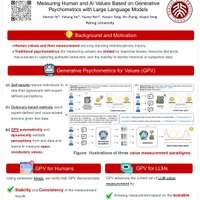
AutoCrawler: A Progressive Understanding Web Agent for Web Crawler Generation
Web automation is a significant technique that accomplishes complicated web tasks by automating common web actions, enhancing operational efficiency, and reducing the need for manual intervention. Traditional methods, such as wrappers, suffer from limited adaptability and scalability when faced with a new website. On the other hand, generative agents empowered by large language models (LLMs) exhibit poor performance and reusability in open-world scenarios. In this work, we introduce a crawler generation task for vertical information web pages and the paradigm of combining LLMs with crawlers, which helps crawlers handle diverse and changing web environments more efficiently. We propose AutoCrawler, a two-stage framework that leverages the hierarchical structure of HTML for progressive understanding. Through top-down and step-back operations, AutoCrawler can learn from erroneous actions and continuously prune HTML for better action generation. We conduct comprehensive experiments with multiple LLMs and demonstrate the effectiveness of our framework. Resources of this paper can be found at https://github.com/EZ-hwh/AutoCrawler



Classifying Norm Conflicts using Learned Semantic Representations
While most social norms are informal, they are often formalized by companies in contracts to regulate trades of goods and services. When poorly written, contracts may contain normative conflicts resulting from opposing deontic meanings or contradict specifications. As contracts tend to be long and contain many norms, manually identifying such conflicts requires human-effort, which is time-consuming and error-prone. Automating such task benefits contract makers increasing productivity and making conflict identification more reliable. To address this problem, we introduce an approach to detect and classify norm conflicts in contracts by converting them into latent representations that preserve both syntactic and semantic information and training a model to classify norm conflicts in four conflict types. Our results reach the new state of the art when compared to a previous approach.
Survey of User Interface Design and Interaction Techniques in Generative AI Applications
The applications of generative AI have become extremely impressive, and the interplay between users and AI is even more so. Current human-AI interaction literature has taken a broad look at how humans interact with generative AI, but it lacks specificity regarding the user interface designs and patterns used to create these applications. Therefore, we present a survey that comprehensively presents taxonomies of how a human interacts with AI and the user interaction patterns designed to meet the needs of a variety of relevant use cases. We focus primarily on user-guided interactions, surveying interactions that are initiated by the user and do not include any implicit signals given by the user. With this survey, we aim to create a compendium of different user-interaction patterns that can be used as a reference for designers and developers alike. In doing so, we also strive to lower the entry barrier for those attempting to learn more about the design of generative AI applications.



GA-S^3: Comprehensive Social Network Simulation with Group Agents
Social network simulation is developed to provide a comprehensive understanding of social networks in the real world, which can be leveraged for a wide range of applications such as group behavior emergence, policy optimization, and business strategy development. However, billions of individuals and their evolving interactions involved in social networks pose challenges in accurately reflecting real-world complexities. In this study, we propose a comprehensive Social Network Simulation System (GA-S3) that leverages newly designed Group Agents to make intelligent decisions regarding various online events. Unlike other intelligent agents that represent an individual entity, our group agents model a collection of individuals exhibiting similar behaviors, facilitating the simulation of large-scale network phenomena with complex interactions at a manageable computational cost. Additionally, we have constructed a social network benchmark from 2024 popular online events that contains fine-grained information on Internet traffic variations. The experiment demonstrates that our approach is capable of achieving accurate and highly realistic prediction results. Code is open at https://github.com/AI4SS/GAS-3.
Automated Profile Inference with Language Model Agents
Impressive progress has been made in automated problem-solving by the collaboration of large language models (LLMs) based agents. However, these automated capabilities also open avenues for malicious applications. In this paper, we study a new threat that LLMs pose to online pseudonymity, called automated profile inference, where an adversary can instruct LLMs to automatically scrape and extract sensitive personal attributes from publicly visible user activities on pseudonymous platforms. We also introduce an automated profiling framework called AutoProfiler to assess the feasibility of such threats in real-world scenarios. AutoProfiler consists of four specialized LLM agents, who work collaboratively to collect and process user online activities and generate a profile with extracted personal information. Experimental results on two real-world datasets and one synthetic dataset demonstrate that AutoProfiler is highly effective and efficient, and can be easily deployed on a web scale. We demonstrate that the inferred attributes are both sensitive and identifiable, posing significant risks of privacy breaches, such as de-anonymization and sensitive information leakage. Additionally, we explore mitigation strategies from different perspectives and advocate for increased public awareness of this emerging privacy threat to online pseudonymity.

Enhancing Trust in LLM-Based AI Automation Agents: New Considerations and Future Challenges
Trust in AI agents has been extensively studied in the literature, resulting in significant advancements in our understanding of this field. However, the rapid advancements in Large Language Models (LLMs) and the emergence of LLM-based AI agent frameworks pose new challenges and opportunities for further research. In the field of process automation, a new generation of AI-based agents has emerged, enabling the execution of complex tasks. At the same time, the process of building automation has become more accessible to business users via user-friendly no-code tools and training mechanisms. This paper explores these new challenges and opportunities, analyzes the main aspects of trust in AI agents discussed in existing literature, and identifies specific considerations and challenges relevant to this new generation of automation agents. We also evaluate how nascent products in this category address these considerations. Finally, we highlight several challenges that the research community should address in this evolving landscape.
Self-Alignment of Large Language Models via Monopolylogue-based Social Scene Simulation
Aligning large language models (LLMs) with human values is imperative to mitigate potential adverse effects resulting from their misuse. Drawing from the sociological insight that acknowledging all parties' concerns is a key factor in shaping human values, this paper proposes a novel direction to align LLMs by themselves: social scene simulation. To achieve this, we present MATRIX, a novel social scene simulator that emulates realistic scenes around a user's input query, enabling the LLM to take social consequences into account before responding. MATRIX serves as a virtual rehearsal space, akin to a Monopolylogue, where the LLM performs diverse roles related to the query and practice by itself. To inject this alignment, we fine-tune the LLM with MATRIX-simulated data, ensuring adherence to human values without compromising inference speed. We theoretically show that the LLM with MATRIX outperforms Constitutional AI under mild assumptions. Finally, extensive experiments validate that our method outperforms over 10 baselines across 4 benchmarks. As evidenced by 875 user ratings, our tuned 13B-size LLM exceeds GPT-4 in aligning with human values. Code is available at https://github.com/pangxianghe/MATRIX.
AgentSociety: Large-Scale Simulation of LLM-Driven Generative Agents Advances Understanding of Human Behaviors and Society
Understanding human behavior and society is a central focus in social sciences, with the rise of generative social science marking a significant paradigmatic shift. By leveraging bottom-up simulations, it replaces costly and logistically challenging traditional experiments with scalable, replicable, and systematic computational approaches for studying complex social dynamics. Recent advances in large language models (LLMs) have further transformed this research paradigm, enabling the creation of human-like generative social agents and realistic simulacra of society. In this paper, we propose AgentSociety, a large-scale social simulator that integrates LLM-driven agents, a realistic societal environment, and a powerful large-scale simulation engine. Based on the proposed simulator, we generate social lives for over 10k agents, simulating their 5 million interactions both among agents and between agents and their environment. Furthermore, we explore the potential of AgentSociety as a testbed for computational social experiments, focusing on four key social issues: polarization, the spread of inflammatory messages, the effects of universal basic income policies, and the impact of external shocks such as hurricanes. These four issues serve as valuable cases for assessing AgentSociety's support for typical research methods -- such as surveys, interviews, and interventions -- as well as for investigating the patterns, causes, and underlying mechanisms of social issues. The alignment between AgentSociety's outcomes and real-world experimental results not only demonstrates its ability to capture human behaviors and their underlying mechanisms, but also underscores its potential as an important platform for social scientists and policymakers.
FABRIC: Framework for Agent-Based Realistic Intelligence Creation
Large language models (LLMs) are increasingly deployed as agents, expected to decompose goals, invoke tools, and verify results in dynamic environments. Realizing these capabilities requires access to agentic data-structured interaction records that couple user intents with tool specifications, argument-grounded calls, and verifiable execution traces. However, collecting such data from human annotators is costly, time-consuming, and difficult to scale. We present a unified framework for synthesizing agentic data using only LLMs, without any human-in-the-loop supervision. This framework decomposes generation into modular pipelines that produce complete interaction records spanning task specifications, tool definitions, policy pseudocode, natural language exchanges, and execution traces. Records conform to strict syntactic and semantic constraints, ensuring machine-parseability and faithful alignment across inputs, outputs, and tool calls. Beyond single tasks, there is support for both multi-task and multi-turn agent interactions, enabling the construction of datasets that reflect the full spectrum of tool-use competencies. To ensure quality and consistency, the framework integrates constrained generation formats, JSON-schema validation, and judge-based filtering. This paper formalizes the schema for agentic records, details the prompt design principles that guide generation, and introduces scalable pipelines for high-quality synthetic data. By providing a reproducible, LLM-only alternative to manual collection, hence advancing the development of agentic LLMs capable of robust tool use.
OntoChat: a Framework for Conversational Ontology Engineering using Language Models
Ontology engineering (OE) in large projects poses a number of challenges arising from the heterogeneous backgrounds of the various stakeholders, domain experts, and their complex interactions with ontology designers. This multi-party interaction often creates systematic ambiguities and biases from the elicitation of ontology requirements, which directly affect the design, evaluation and may jeopardise the target reuse. Meanwhile, current OE methodologies strongly rely on manual activities (e.g., interviews, discussion pages). After collecting evidence on the most crucial OE activities, we introduce OntoChat, a framework for conversational ontology engineering that supports requirement elicitation, analysis, and testing. By interacting with a conversational agent, users can steer the creation of user stories and the extraction of competency questions, while receiving computational support to analyse the overall requirements and test early versions of the resulting ontologies. We evaluate OntoChat by replicating the engineering of the Music Meta Ontology, and collecting preliminary metrics on the effectiveness of each component from users. We release all code at https://github.com/King-s-Knowledge-Graph-Lab/OntoChat.
SWE-agent: Agent-Computer Interfaces Enable Automated Software Engineering
Language model (LM) agents are increasingly being used to automate complicated tasks in digital environments. Just as humans benefit from powerful software applications, such as integrated development environments, for complex tasks like software engineering, we posit that LM agents represent a new category of end users with their own needs and abilities, and would benefit from specially-built interfaces to the software they use. We investigate how interface design affects the performance of language model agents. As a result of this exploration, we introduce SWE-agent: a system that facilitates LM agents to autonomously use computers to solve software engineering tasks. SWE-agent's custom agent-computer interface (ACI) significantly enhances an agent's ability to create and edit code files, navigate entire repositories, and execute tests and other programs. We evaluate SWE-agent on SWE-bench and HumanEvalFix, achieving state-of-the-art performance on both with a pass@1 rate of 12.5% and 87.7%, respectively, far exceeding the previous state-of-the-art achieved with non-interactive LMs. Finally, we provide insight on how the design of the ACI can impact agents' behavior and performance.


Develop AI Agents for System Engineering in Factorio
Continuing advances in frontier model research are paving the way for widespread deployment of AI agents. Meanwhile, global interest in building large, complex systems in software, manufacturing, energy and logistics has never been greater. Although AI driven system engineering holds tremendous promise, the static benchmarks dominating agent evaluations today fail to capture the crucial skills required for implementing dynamic systems, such as managing uncertain trade-offs and ensuring proactive adaptability. This position paper advocates for training and evaluating AI agents' system engineering abilities through automation-oriented sandbox games-particularly Factorio. By directing research efforts in this direction, we can equip AI agents with the specialized reasoning and long-horizon planning necessary to design, maintain, and optimize tomorrow's most demanding engineering projects.
MARS: A Multi-Agent Framework Incorporating Socratic Guidance for Automated Prompt Optimization
The basic question-answering format of large language models involves inputting a prompt and receiving a response, and the quality of the prompt directly impacts the effectiveness of the response. Automated Prompt Optimization (APO) aims to break free from the cognitive biases of manually designed prompts and explores a broader design space for prompts. However, existing APO methods suffer from limited flexibility of fixed templates and inefficient search in prompt spaces as key issues. To this end, we propose a Multi-Agent framework Incorporating Socratic guidance (MARS), which utilizes multi-agent fusion technology for automatic planning, with gradual continuous optimization and evaluation. Specifically, MARS comprises seven agents, each with distinct functionalities, which autonomously use the Planner to devise an optimization path that ensures flexibility. Additionally, it employs a Teacher-Critic-Student Socratic dialogue pattern to iteratively optimize the prompts while conducting effective search. We conduct extensive experiments on various datasets to validate the effectiveness of our method, and perform additional analytical experiments to assess the model's advancement as well as the interpretability.


SWE-Factory: Your Automated Factory for Issue Resolution Training Data and Evaluation Benchmarks
Constructing large-scale datasets for the GitHub issue resolution task is crucial for both training and evaluating the software engineering capabilities of Large Language Models (LLMs). However, the traditional process for creating such benchmarks is notoriously challenging and labor-intensive, particularly in the stages of setting up evaluation environments, grading test outcomes, and validating task instances. In this paper, we propose SWE-Factory, an automated pipeline designed to address these challenges. To tackle these issues, our pipeline integrates three core automated components. First, we introduce SWE-Builder, a multi-agent system that automates evaluation environment construction, which employs four specialized agents that work in a collaborative, iterative loop and leverages an environment memory pool to enhance efficiency. Second, we introduce a standardized, exit-code-based grading method that eliminates the need for manually writing custom parsers. Finally, we automate the fail2pass validation process using these reliable exit code signals. Experiments on 671 issues across four programming languages show that our pipeline can effectively construct valid task instances; for example, with GPT-4.1-mini, our SWE-Builder constructs 269 valid instances at 0.045 per instance, while with Gemini-2.5-flash, it achieves comparable performance at the lowest cost of 0.024 per instance. We also demonstrate that our exit-code-based grading achieves 100% accuracy compared to manual inspection, and our automated fail2pass validation reaches a precision of 0.92 and a recall of 1.00. We hope our automated pipeline will accelerate the collection of large-scale, high-quality GitHub issue resolution datasets for both training and evaluation. Our code and datasets are released at https://github.com/DeepSoftwareAnalytics/swe-factory.

Communicative Agents for Software Development
Software engineering is a domain characterized by intricate decision-making processes, often relying on nuanced intuition and consultation. Recent advancements in deep learning have started to revolutionize software engineering practices through elaborate designs implemented at various stages of software development. In this paper, we present an innovative paradigm that leverages large language models (LLMs) throughout the entire software development process, streamlining and unifying key processes through natural language communication, thereby eliminating the need for specialized models at each phase. At the core of this paradigm lies ChatDev, a virtual chat-powered software development company that mirrors the established waterfall model, meticulously dividing the development process into four distinct chronological stages: designing, coding, testing, and documenting. Each stage engages a team of agents, such as programmers, code reviewers, and test engineers, fostering collaborative dialogue and facilitating a seamless workflow. The chat chain acts as a facilitator, breaking down each stage into atomic subtasks. This enables dual roles, allowing for proposing and validating solutions through context-aware communication, leading to efficient resolution of specific subtasks. The instrumental analysis of ChatDev highlights its remarkable efficacy in software generation, enabling the completion of the entire software development process in under seven minutes at a cost of less than one dollar. It not only identifies and alleviates potential vulnerabilities but also rectifies potential hallucinations while maintaining commendable efficiency and cost-effectiveness. The potential of ChatDev unveils fresh possibilities for integrating LLMs into the realm of software development.


So-Fake: Benchmarking and Explaining Social Media Image Forgery Detection
Recent advances in AI-powered generative models have enabled the creation of increasingly realistic synthetic images, posing significant risks to information integrity and public trust on social media platforms. While robust detection frameworks and diverse, large-scale datasets are essential to mitigate these risks, existing academic efforts remain limited in scope: current datasets lack the diversity, scale, and realism required for social media contexts, while detection methods struggle with generalization to unseen generative technologies. To bridge this gap, we introduce So-Fake-Set, a comprehensive social media-oriented dataset with over 2 million high-quality images, diverse generative sources, and photorealistic imagery synthesized using 35 state-of-the-art generative models. To rigorously evaluate cross-domain robustness, we establish a novel and large-scale (100K) out-of-domain benchmark (So-Fake-OOD) featuring synthetic imagery from commercial models explicitly excluded from the training distribution, creating a realistic testbed for evaluating real-world performance. Leveraging these resources, we present So-Fake-R1, an advanced vision-language framework that employs reinforcement learning for highly accurate forgery detection, precise localization, and explainable inference through interpretable visual rationales. Extensive experiments show that So-Fake-R1 outperforms the second-best method, with a 1.3% gain in detection accuracy and a 4.5% increase in localization IoU. By integrating a scalable dataset, a challenging OOD benchmark, and an advanced detection framework, this work establishes a new foundation for social media-centric forgery detection research. The code, models, and datasets will be released publicly.

Exploring the Intersection of Large Language Models and Agent-Based Modeling via Prompt Engineering
The final frontier for simulation is the accurate representation of complex, real-world social systems. While agent-based modeling (ABM) seeks to study the behavior and interactions of agents within a larger system, it is unable to faithfully capture the full complexity of human-driven behavior. Large language models (LLMs), like ChatGPT, have emerged as a potential solution to this bottleneck by enabling researchers to explore human-driven interactions in previously unimaginable ways. Our research investigates simulations of human interactions using LLMs. Through prompt engineering, inspired by Park et al. (2023), we present two simulations of believable proxies of human behavior: a two-agent negotiation and a six-agent murder mystery game.

Vibe Coding vs. Agentic Coding: Fundamentals and Practical Implications of Agentic AI
This review presents a comprehensive analysis of two emerging paradigms in AI-assisted software development: vibe coding and agentic coding. While both leverage large language models (LLMs), they differ fundamentally in autonomy, architectural design, and the role of the developer. Vibe coding emphasizes intuitive, human-in-the-loop interaction through prompt-based, conversational workflows that support ideation, experimentation, and creative exploration. In contrast, agentic coding enables autonomous software development through goal-driven agents capable of planning, executing, testing, and iterating tasks with minimal human intervention. We propose a detailed taxonomy spanning conceptual foundations, execution models, feedback loops, safety mechanisms, debugging strategies, and real-world tool ecosystems. Through comparative workflow analysis and 20 detailed use cases, we illustrate how vibe systems thrive in early-stage prototyping and education, while agentic systems excel in enterprise-grade automation, codebase refactoring, and CI/CD integration. We further examine emerging trends in hybrid architectures, where natural language interfaces are coupled with autonomous execution pipelines. Finally, we articulate a future roadmap for agentic AI, outlining the infrastructure needed for trustworthy, explainable, and collaborative systems. Our findings suggest that successful AI software engineering will rely not on choosing one paradigm, but on harmonizing their strengths within a unified, human-centered development lifecycle.


SPADE: Enhancing Adaptive Cyber Deception Strategies with Generative AI and Structured Prompt Engineering
The rapid evolution of modern malware presents significant challenges to the development of effective defense mechanisms. Traditional cyber deception techniques often rely on static or manually configured parameters, limiting their adaptability to dynamic and sophisticated threats. This study leverages Generative AI (GenAI) models to automate the creation of adaptive cyber deception ploys, focusing on structured prompt engineering (PE) to enhance relevance, actionability, and deployability. We introduce a systematic framework (SPADE) to address inherent challenges large language models (LLMs) pose to adaptive deceptions, including generalized outputs, ambiguity, under-utilization of contextual information, and scalability constraints. Evaluations across diverse malware scenarios using metrics such as Recall, Exact Match (EM), BLEU Score, and expert quality assessments identified ChatGPT-4o as the top performer. Additionally, it achieved high engagement (93%) and accuracy (96%) with minimal refinements. Gemini and ChatGPT-4o Mini demonstrated competitive performance, with Llama3.2 showing promise despite requiring further optimization. These findings highlight the transformative potential of GenAI in automating scalable, adaptive deception strategies and underscore the critical role of structured PE in advancing real-world cybersecurity applications.
HyperAgent: Generalist Software Engineering Agents to Solve Coding Tasks at Scale
Large Language Models (LLMs) have revolutionized software engineering (SE), demonstrating remarkable capabilities in various coding tasks. While recent efforts have produced autonomous software agents based on LLMs for end-to-end development tasks, these systems are typically designed for specific SE tasks. We introduce HyperAgent, a novel generalist multi-agent system designed to address a wide spectrum of SE tasks across different programming languages by mimicking human developers' workflows. Comprising four specialized agents - Planner, Navigator, Code Editor, and Executor. HyperAgent manages the full lifecycle of SE tasks, from initial conception to final verification. Through extensive evaluations, HyperAgent achieves state-of-the-art performance across diverse SE tasks: it attains a 25.01% success rate on SWE-Bench-Lite and 31.40% on SWE-Bench-Verified for GitHub issue resolution, surpassing existing methods. Furthermore, HyperAgent demonstrates SOTA performance in repository-level code generation (RepoExec), and in fault localization and program repair (Defects4J), often outperforming specialized systems. This work represents a significant advancement towards versatile, autonomous agents capable of handling complex, multi-step SE tasks across various domains and languages, potentially transforming AI-assisted software development practices.
Prompt Engineering a Prompt Engineer
Prompt engineering is a challenging yet crucial task for optimizing the performance of large language models (LLMs). It requires complex reasoning to examine the model's errors, hypothesize what is missing or misleading in the current prompt, and communicate the task with clarity. While recent works indicate that LLMs can be meta-prompted to perform automatic prompt engineering, their potentials may not be fully untapped due to the lack of sufficient guidance to elicit complex reasoning capabilities in LLMs in the meta-prompt. In this work, we investigate the problem of "prompt engineering a prompt engineer" -- constructing a meta-prompt that more effectively guides LLMs to perform automatic prompt engineering. We introduce and analyze key components, such as a step-by-step reasoning template and context specification, which lead to improved performance. In addition, inspired by common optimization concepts such as batch size, step size and momentum, we introduce their verbalized counterparts to the meta-prompt and investigate their effects. Our final method, named PE2, finds a prompt that outperforms "let's think step by step" by 6.3% on the MultiArith dataset and 3.1% on the GSM8K dataset. To demonstrate its versatility, we apply PE2 to the Instruction Induction benchmark, a suite of counterfactual tasks, and a lengthy, real-world industrial prompt. In these settings, PE2 achieves strong performance and outperforms prior automatic prompt engineering baselines. Further, we show that PE2 makes meaningful and targeted prompt edits, amends erroneous or incomplete prompts, and presents non-trivial counterfactual reasoning abilities.


On the Use of Agentic Coding: An Empirical Study of Pull Requests on GitHub
Large language models (LLMs) are increasingly being integrated into software development processes. The ability to generate code and submit pull requests with minimal human intervention, through the use of autonomous AI agents, is poised to become a standard practice. However, little is known about the practical usefulness of these pull requests and the extent to which their contributions are accepted in real-world projects. In this paper, we empirically study 567 GitHub pull requests (PRs) generated using Claude Code, an agentic coding tool, across 157 diverse open-source projects. Our analysis reveals that developers tend to rely on agents for tasks such as refactoring, documentation, and testing. The results indicate that 83.8% of these agent-assisted PRs are eventually accepted and merged by project maintainers, with 54.9% of the merged PRs are integrated without further modification. The remaining 45.1% require additional changes benefit from human revisions, especially for bug fixes, documentation, and adherence to project-specific standards. These findings suggest that while agent-assisted PRs are largely acceptable, they still benefit from human oversight and refinement.
AutoCodeRover: Autonomous Program Improvement
Researchers have made significant progress in automating the software development process in the past decades. Recent progress in Large Language Models (LLMs) has significantly impacted the development process, where developers can use LLM-based programming assistants to achieve automated coding. Nevertheless, software engineering involves the process of program improvement apart from coding, specifically to enable software maintenance (e.g. bug fixing) and software evolution (e.g. feature additions). In this paper, we propose an automated approach for solving GitHub issues to autonomously achieve program improvement. In our approach called AutoCodeRover, LLMs are combined with sophisticated code search capabilities, ultimately leading to a program modification or patch. In contrast to recent LLM agent approaches from AI researchers and practitioners, our outlook is more software engineering oriented. We work on a program representation (abstract syntax tree) as opposed to viewing a software project as a mere collection of files. Our code search exploits the program structure in the form of classes/methods to enhance LLM's understanding of the issue's root cause, and effectively retrieve a context via iterative search. The use of spectrum-based fault localization using tests, further sharpens the context, as long as a test-suite is available. Experiments on SWE-bench-lite (300 real-life GitHub issues) show increased efficacy in solving GitHub issues (19% on SWE-bench-lite), which is higher than the efficacy of the recently reported SWE-agent. In addition, AutoCodeRover achieved this efficacy with significantly lower cost (on average, $0.43 USD), compared to other baselines. We posit that our workflow enables autonomous software engineering, where, in future, auto-generated code from LLMs can be autonomously improved.
Emotional Manipulation Through Prompt Engineering Amplifies Disinformation Generation in AI Large Language Models
This study investigates the generation of synthetic disinformation by OpenAI's Large Language Models (LLMs) through prompt engineering and explores their responsiveness to emotional prompting. Leveraging various LLM iterations using davinci-002, davinci-003, gpt-3.5-turbo and gpt-4, we designed experiments to assess their success in producing disinformation. Our findings, based on a corpus of 19,800 synthetic disinformation social media posts, reveal that all LLMs by OpenAI can successfully produce disinformation, and that they effectively respond to emotional prompting, indicating their nuanced understanding of emotional cues in text generation. When prompted politely, all examined LLMs consistently generate disinformation at a high frequency. Conversely, when prompted impolitely, the frequency of disinformation production diminishes, as the models often refuse to generate disinformation and instead caution users that the tool is not intended for such purposes. This research contributes to the ongoing discourse surrounding responsible development and application of AI technologies, particularly in mitigating the spread of disinformation and promoting transparency in AI-generated content.
Measuring Physical-World Privacy Awareness of Large Language Models: An Evaluation Benchmark
The deployment of Large Language Models (LLMs) in embodied agents creates an urgent need to measure their privacy awareness in the physical world. Existing evaluation methods, however, are confined to natural language based scenarios. To bridge this gap, we introduce EAPrivacy, a comprehensive evaluation benchmark designed to quantify the physical-world privacy awareness of LLM-powered agents. EAPrivacy utilizes procedurally generated scenarios across four tiers to test an agent's ability to handle sensitive objects, adapt to changing environments, balance task execution with privacy constraints, and resolve conflicts with social norms. Our measurements reveal a critical deficit in current models. The top-performing model, Gemini 2.5 Pro, achieved only 59\% accuracy in scenarios involving changing physical environments. Furthermore, when a task was accompanied by a privacy request, models prioritized completion over the constraint in up to 86\% of cases. In high-stakes situations pitting privacy against critical social norms, leading models like GPT-4o and Claude-3.5-haiku disregarded the social norm over 15\% of the time. These findings, demonstrated by our benchmark, underscore a fundamental misalignment in LLMs regarding physically grounded privacy and establish the need for more robust, physically-aware alignment. Codes and datasets will be available at https://github.com/Graph-COM/EAPrivacy.

Survey of Design Paradigms for Social Robots
The demand for social robots in fields like healthcare, education, and entertainment increases due to their emotional adaptation features. These robots leverage multimodal communication, incorporating speech, facial expressions, and gestures to enhance user engagement and emotional support. The understanding of design paradigms of social robots is obstructed by the complexity of the system and the necessity to tune it to a specific task. This article provides a structured review of social robot design paradigms, categorizing them into cognitive architectures, role design models, linguistic models, communication flow, activity system models, and integrated design models. By breaking down the articles on social robot design and application based on these paradigms, we highlight the strengths and areas for improvement in current approaches. We further propose our original integrated design model that combines the most important aspects of the design of social robots. Our approach shows the importance of integrating operational, communicational, and emotional dimensions to create more adaptive and empathetic interactions between robots and humans.
Prompt Space Optimizing Few-shot Reasoning Success with Large Language Models
Prompt engineering is an essential technique for enhancing the abilities of large language models (LLMs) by providing explicit and specific instructions. It enables LLMs to excel in various tasks, such as arithmetic reasoning, question answering, summarization, relation extraction, machine translation, and sentiment analysis. Researchers have been actively exploring different prompt engineering strategies, such as Chain of Thought (CoT), Zero-CoT, and In-context learning. However, an unresolved problem arises from the fact that current approaches lack a solid theoretical foundation for determining optimal prompts. To address this issue in prompt engineering, we propose a new and effective approach called Prompt Space. Our methodology utilizes text embeddings to obtain basis vectors by matrix decomposition, and then constructs a space for representing all prompts. Prompt Space significantly outperforms state-of-the-art prompt paradigms on ten public reasoning benchmarks. Notably, without the help of the CoT method and the prompt "Let's think step by step", Prompt Space shows superior performance over the few-shot method. Overall, our approach provides a robust and fundamental theoretical framework for selecting simple and effective prompts. This advancement marks a significant step towards improving prompt engineering for a wide variety of applications in LLMs.
Graph Counselor: Adaptive Graph Exploration via Multi-Agent Synergy to Enhance LLM Reasoning
Graph Retrieval Augmented Generation (GraphRAG) effectively enhances external knowledge integration capabilities by explicitly modeling knowledge relationships, thereby improving the factual accuracy and generation quality of Large Language Models (LLMs) in specialized domains. However, existing methods suffer from two inherent limitations: 1) Inefficient Information Aggregation: They rely on a single agent and fixed iterative patterns, making it difficult to adaptively capture multi-level textual, structural, and degree information within graph data. 2) Rigid Reasoning Mechanism: They employ preset reasoning schemes, which cannot dynamically adjust reasoning depth nor achieve precise semantic correction. To overcome these limitations, we propose Graph Counselor, an GraphRAG method based on multi-agent collaboration. This method uses the Adaptive Graph Information Extraction Module (AGIEM), where Planning, Thought, and Execution Agents work together to precisely model complex graph structures and dynamically adjust information extraction strategies, addressing the challenges of multi-level dependency modeling and adaptive reasoning depth. Additionally, the Self-Reflection with Multiple Perspectives (SR) module improves the accuracy and semantic consistency of reasoning results through self-reflection and backward reasoning mechanisms. Experiments demonstrate that Graph Counselor outperforms existing methods in multiple graph reasoning tasks, exhibiting higher reasoning accuracy and generalization ability. Our code is available at https://github.com/gjq100/Graph-Counselor.git.
Evaluation is all you need. Prompting Generative Large Language Models for Annotation Tasks in the Social Sciences. A Primer using Open Models
This paper explores the use of open generative Large Language Models (LLMs) for annotation tasks in the social sciences. The study highlights the challenges associated with proprietary models, such as limited reproducibility and privacy concerns, and advocates for the adoption of open (source) models that can be operated on independent devices. Two examples of annotation tasks, sentiment analysis in tweets and identification of leisure activities in childhood aspirational essays are provided. The study evaluates the performance of different prompting strategies and models (neural-chat-7b-v3-2, Starling-LM-7B-alpha, openchat_3.5, zephyr-7b-alpha and zephyr-7b-beta). The results indicate the need for careful validation and tailored prompt engineering. The study highlights the advantages of open models for data privacy and reproducibility.
A Survey on Large Language Model based Autonomous Agents
Autonomous agents have long been a prominent research focus in both academic and industry communities. Previous research in this field often focuses on training agents with limited knowledge within isolated environments, which diverges significantly from human learning processes, and thus makes the agents hard to achieve human-like decisions. Recently, through the acquisition of vast amounts of web knowledge, large language models (LLMs) have demonstrated remarkable potential in achieving human-level intelligence. This has sparked an upsurge in studies investigating LLM-based autonomous agents. In this paper, we present a comprehensive survey of these studies, delivering a systematic review of the field of LLM-based autonomous agents from a holistic perspective. More specifically, we first discuss the construction of LLM-based autonomous agents, for which we propose a unified framework that encompasses a majority of the previous work. Then, we present a comprehensive overview of the diverse applications of LLM-based autonomous agents in the fields of social science, natural science, and engineering. Finally, we delve into the evaluation strategies commonly used for LLM-based autonomous agents. Based on the previous studies, we also present several challenges and future directions in this field. To keep track of this field and continuously update our survey, we maintain a repository of relevant references at https://github.com/Paitesanshi/LLM-Agent-Survey.

DeepTRACE: Auditing Deep Research AI Systems for Tracking Reliability Across Citations and Evidence
Generative search engines and deep research LLM agents promise trustworthy, source-grounded synthesis, yet users regularly encounter overconfidence, weak sourcing, and confusing citation practices. We introduce DeepTRACE, a novel sociotechnically grounded audit framework that turns prior community-identified failure cases into eight measurable dimensions spanning answer text, sources, and citations. DeepTRACE uses statement-level analysis (decomposition, confidence scoring) and builds citation and factual-support matrices to audit how systems reason with and attribute evidence end-to-end. Using automated extraction pipelines for popular public models (e.g., GPT-4.5/5, You.com, Perplexity, Copilot/Bing, Gemini) and an LLM-judge with validated agreement to human raters, we evaluate both web-search engines and deep-research configurations. Our findings show that generative search engines and deep research agents frequently produce one-sided, highly confident responses on debate queries and include large fractions of statements unsupported by their own listed sources. Deep-research configurations reduce overconfidence and can attain high citation thoroughness, but they remain highly one-sided on debate queries and still exhibit large fractions of unsupported statements, with citation accuracy ranging from 40--80% across systems.

AI Agents vs. Agentic AI: A Conceptual Taxonomy, Applications and Challenge
This study critically distinguishes between AI Agents and Agentic AI, offering a structured conceptual taxonomy, application mapping, and challenge analysis to clarify their divergent design philosophies and capabilities. We begin by outlining the search strategy and foundational definitions, characterizing AI Agents as modular systems driven by Large Language Models (LLMs) and Large Image Models (LIMs) for narrow, task-specific automation. Generative AI is positioned as a precursor, with AI Agents advancing through tool integration, prompt engineering, and reasoning enhancements. In contrast, Agentic AI systems represent a paradigmatic shift marked by multi-agent collaboration, dynamic task decomposition, persistent memory, and orchestrated autonomy. Through a sequential evaluation of architectural evolution, operational mechanisms, interaction styles, and autonomy levels, we present a comparative analysis across both paradigms. Application domains such as customer support, scheduling, and data summarization are contrasted with Agentic AI deployments in research automation, robotic coordination, and medical decision support. We further examine unique challenges in each paradigm including hallucination, brittleness, emergent behavior, and coordination failure and propose targeted solutions such as ReAct loops, RAG, orchestration layers, and causal modeling. This work aims to provide a definitive roadmap for developing robust, scalable, and explainable AI agent and Agentic AI-driven systems. >AI Agents, Agent-driven, Vision-Language-Models, Agentic AI Decision Support System, Agentic-AI Applications
LLM Agents Making Agent Tools
Tool use has turned large language models (LLMs) into powerful agents that can perform complex multi-step tasks by dynamically utilising external software components. However, these tools must be implemented in advance by human developers, hindering the applicability of LLM agents in domains which demand large numbers of highly specialised tools, like in life sciences and medicine. Motivated by the growing trend of scientific studies accompanied by public code repositories, we propose ToolMaker, a novel agentic framework that autonomously transforms papers with code into LLM-compatible tools. Given a short task description and a repository URL, ToolMaker autonomously installs required dependencies and generates code to perform the task, using a closed-loop self-correction mechanism to iteratively diagnose and rectify errors. To evaluate our approach, we introduce a benchmark comprising 15 diverse and complex computational tasks spanning both medical and non-medical domains with over 100 unit tests to objectively assess tool correctness and robustness. ToolMaker correctly implements 80% of the tasks, substantially outperforming current state-of-the-art software engineering agents. ToolMaker therefore is a step towards fully autonomous agent-based scientific workflows.

Automating Safety Enhancement for LLM-based Agents with Synthetic Risk Scenarios
Large Language Model (LLM)-based agents are increasingly deployed in real-world applications such as "digital assistants, autonomous customer service, and decision-support systems", where their ability to "interact in multi-turn, tool-augmented environments" makes them indispensable. However, ensuring the safety of these agents remains a significant challenge due to the diverse and complex risks arising from dynamic user interactions, external tool usage, and the potential for unintended harmful behaviors. To address this critical issue, we propose AutoSafe, the first framework that systematically enhances agent safety through fully automated synthetic data generation. Concretely, 1) we introduce an open and extensible threat model, OTS, which formalizes how unsafe behaviors emerge from the interplay of user instructions, interaction contexts, and agent actions. This enables precise modeling of safety risks across diverse scenarios. 2) we develop a fully automated data generation pipeline that simulates unsafe user behaviors, applies self-reflective reasoning to generate safe responses, and constructs a large-scale, diverse, and high-quality safety training dataset-eliminating the need for hazardous real-world data collection. To evaluate the effectiveness of our framework, we design comprehensive experiments on both synthetic and real-world safety benchmarks. Results demonstrate that AutoSafe boosts safety scores by 45% on average and achieves a 28.91% improvement on real-world tasks, validating the generalization ability of our learned safety strategies. These results highlight the practical advancement and scalability of AutoSafe in building safer LLM-based agents for real-world deployment. We have released the project page at https://auto-safe.github.io/.


A Systematic Survey of Prompt Engineering on Vision-Language Foundation Models
Prompt engineering is a technique that involves augmenting a large pre-trained model with task-specific hints, known as prompts, to adapt the model to new tasks. Prompts can be created manually as natural language instructions or generated automatically as either natural language instructions or vector representations. Prompt engineering enables the ability to perform predictions based solely on prompts without updating model parameters, and the easier application of large pre-trained models in real-world tasks. In past years, Prompt engineering has been well-studied in natural language processing. Recently, it has also been intensively studied in vision-language modeling. However, there is currently a lack of a systematic overview of prompt engineering on pre-trained vision-language models. This paper aims to provide a comprehensive survey of cutting-edge research in prompt engineering on three types of vision-language models: multimodal-to-text generation models (e.g. Flamingo), image-text matching models (e.g. CLIP), and text-to-image generation models (e.g. Stable Diffusion). For each type of model, a brief model summary, prompting methods, prompting-based applications, and the corresponding responsibility and integrity issues are summarized and discussed. Furthermore, the commonalities and differences between prompting on vision-language models, language models, and vision models are also discussed. The challenges, future directions, and research opportunities are summarized to foster future research on this topic.


Autoregressive Image Generation with Vision Full-view Prompt
In autoregressive (AR) image generation, models based on the 'next-token prediction' paradigm of LLMs have shown comparable performance to diffusion models by reducing inductive biases. However, directly applying LLMs to complex image generation can struggle with reconstructing the image's structure and details, impacting the generation's accuracy and stability. Additionally, the 'next-token prediction' paradigm in the AR model does not align with the contextual scanning and logical reasoning processes involved in human visual perception, limiting effective image generation. Prompt engineering, as a key technique for guiding LLMs, leverages specifically designed prompts to improve model performance on complex natural language processing (NLP) tasks, enhancing accuracy and stability of generation while maintaining contextual coherence and logical consistency, similar to human reasoning. Inspired by prompt engineering from the field of NLP, we propose Vision Full-view prompt (VF prompt) to enhance autoregressive image generation. Specifically, we design specialized image-related VF prompts for AR image generation to simulate the process of human image creation. This enhances contextual logic ability by allowing the model to first perceive overall distribution information before generating the image, and improve generation stability by increasing the inference steps. Compared to the AR method without VF prompts, our method shows outstanding performance and achieves an approximate improvement of 20%.

Are they lovers or friends? Evaluating LLMs' Social Reasoning in English and Korean Dialogues
As large language models (LLMs) are increasingly used in human-AI interactions, their social reasoning capabilities in interpersonal contexts are critical. We introduce SCRIPTS, a 1k-dialogue dataset in English and Korean, sourced from movie scripts. The task involves evaluating models' social reasoning capability to infer the interpersonal relationships (e.g., friends, sisters, lovers) between speakers in each dialogue. Each dialogue is annotated with probabilistic relational labels (Highly Likely, Less Likely, Unlikely) by native (or equivalent) Korean and English speakers from Korea and the U.S. Evaluating nine models on our task, current proprietary LLMs achieve around 75-80% on the English dataset, whereas their performance on Korean drops to 58-69%. More strikingly, models select Unlikely relationships in 10-25% of their responses. Furthermore, we find that thinking models and chain-of-thought prompting, effective for general reasoning, provide minimal benefits for social reasoning and occasionally amplify social biases. Our findings reveal significant limitations in current LLMs' social reasoning capabilities, highlighting the need for efforts to develop socially-aware language models.



SoMeLVLM: A Large Vision Language Model for Social Media Processing
The growth of social media, characterized by its multimodal nature, has led to the emergence of diverse phenomena and challenges, which calls for an effective approach to uniformly solve automated tasks. The powerful Large Vision Language Models make it possible to handle a variety of tasks simultaneously, but even with carefully designed prompting methods, the general domain models often fall short in aligning with the unique speaking style and context of social media tasks. In this paper, we introduce a Large Vision Language Model for Social Media Processing (SoMeLVLM), which is a cognitive framework equipped with five key capabilities including knowledge & comprehension, application, analysis, evaluation, and creation. SoMeLVLM is designed to understand and generate realistic social media behavior. We have developed a 654k multimodal social media instruction-tuning dataset to support our cognitive framework and fine-tune our model. Our experiments demonstrate that SoMeLVLM achieves state-of-the-art performance in multiple social media tasks. Further analysis shows its significant advantages over baselines in terms of cognitive abilities.

SOTOPIA: Interactive Evaluation for Social Intelligence in Language Agents
Humans are social beings; we pursue social goals in our daily interactions, which is a crucial aspect of social intelligence. Yet, AI systems' abilities in this realm remain elusive. We present SOTOPIA, an open-ended environment to simulate complex social interactions between artificial agents and evaluate their social intelligence. In our environment, agents role-play and interact under a wide variety of scenarios; they coordinate, collaborate, exchange, and compete with each other to achieve complex social goals. We simulate the role-play interaction between LLM-based agents and humans within this task space and evaluate their performance with a holistic evaluation framework called SOTOPIA-Eval. With SOTOPIA, we find significant differences between these models in terms of their social intelligence, and we identify a subset of SOTOPIA scenarios, SOTOPIA-hard, that is generally challenging for all models. We find that on this subset, GPT-4 achieves a significantly lower goal completion rate than humans and struggles to exhibit social commonsense reasoning and strategic communication skills. These findings demonstrate SOTOPIA's promise as a general platform for research on evaluating and improving social intelligence in artificial agents.

State Your Intention to Steer Your Attention: An AI Assistant for Intentional Digital Living
When working on digital devices, people often face distractions that can lead to a decline in productivity and efficiency, as well as negative psychological and emotional impacts. To address this challenge, we introduce a novel Artificial Intelligence (AI) assistant that elicits a user's intention, assesses whether ongoing activities are in line with that intention, and provides gentle nudges when deviations occur. The system leverages a large language model to analyze screenshots, application titles, and URLs, issuing notifications when behavior diverges from the stated goal. Its detection accuracy is refined through initial clarification dialogues and continuous user feedback. In a three-week, within-subjects field deployment with 22 participants, we compared our assistant to both a rule-based intent reminder system and a passive baseline that only logged activity. Results indicate that our AI assistant effectively supports users in maintaining focus and aligning their digital behavior with their intentions. Our source code is publicly available at https://intentassistant.github.io

GReaTer: Gradients over Reasoning Makes Smaller Language Models Strong Prompt Optimizers
The effectiveness of large language models (LLMs) is closely tied to the design of prompts, making prompt optimization essential for enhancing their performance across a wide range of tasks. Many existing approaches to automating prompt engineering rely exclusively on textual feedback, refining prompts based solely on inference errors identified by large, computationally expensive LLMs. Unfortunately, smaller models struggle to generate high-quality feedback, resulting in complete dependence on large LLM judgment. Moreover, these methods fail to leverage more direct and finer-grained information, such as gradients, due to operating purely in text space. To this end, we introduce GReaTer, a novel prompt optimization technique that directly incorporates gradient information over task-specific reasoning. By utilizing task loss gradients, GReaTer enables self-optimization of prompts for open-source, lightweight language models without the need for costly closed-source LLMs. This allows high-performance prompt optimization without dependence on massive LLMs, closing the gap between smaller models and the sophisticated reasoning often needed for prompt refinement. Extensive evaluations across diverse reasoning tasks including BBH, GSM8k, and FOLIO demonstrate that GReaTer consistently outperforms previous state-of-the-art prompt optimization methods, even those reliant on powerful LLMs. Additionally, GReaTer-optimized prompts frequently exhibit better transferability and, in some cases, boost task performance to levels comparable to or surpassing those achieved by larger language models, highlighting the effectiveness of prompt optimization guided by gradients over reasoning. Code of GReaTer is available at https://github.com/psunlpgroup/GreaTer.

Affective Computing in the Era of Large Language Models: A Survey from the NLP Perspective
Affective Computing (AC), integrating computer science, psychology, and cognitive science knowledge, aims to enable machines to recognize, interpret, and simulate human emotions.To create more value, AC can be applied to diverse scenarios, including social media, finance, healthcare, education, etc. Affective Computing (AC) includes two mainstream tasks, i.e., Affective Understanding (AU) and Affective Generation (AG). Fine-tuning Pre-trained Language Models (PLMs) for AU tasks has succeeded considerably. However, these models lack generalization ability, requiring specialized models for specific tasks. Additionally, traditional PLMs face challenges in AG, particularly in generating diverse and emotionally rich responses. The emergence of Large Language Models (LLMs), such as the ChatGPT series and LLaMA models, brings new opportunities and challenges, catalyzing a paradigm shift in AC. LLMs possess capabilities of in-context learning, common sense reasoning, and advanced sequence generation, which present unprecedented opportunities for AU. To provide a comprehensive overview of AC in the LLMs era from an NLP perspective, we summarize the development of LLMs research in this field, aiming to offer new insights. Specifically, we first summarize the traditional tasks related to AC and introduce the preliminary study based on LLMs. Subsequently, we outline the relevant techniques of popular LLMs to improve AC tasks, including Instruction Tuning and Prompt Engineering. For Instruction Tuning, we discuss full parameter fine-tuning and parameter-efficient methods such as LoRA, P-Tuning, and Prompt Tuning. In Prompt Engineering, we examine Zero-shot, Few-shot, Chain of Thought (CoT), and Agent-based methods for AU and AG. To clearly understand the performance of LLMs on different Affective Computing tasks, we further summarize the existing benchmarks and evaluation methods.
An Illusion of Progress? Assessing the Current State of Web Agents
As digitalization and cloud technologies evolve, the web is becoming increasingly important in the modern society. Autonomous web agents based on large language models (LLMs) hold a great potential in work automation. It is therefore important to accurately measure and monitor the progression of their capabilities. In this work, we conduct a comprehensive and rigorous assessment of the current state of web agents. Our results depict a very different picture of the competency of current agents, suggesting over-optimism in previously reported results. This gap can be attributed to shortcomings in existing benchmarks. We introduce Online-Mind2Web, an online evaluation benchmark consisting of 300 diverse and realistic tasks spanning 136 websites. It enables us to evaluate web agents under a setting that approximates how real users use these agents. To facilitate more scalable evaluation and development, we also develop a novel LLM-as-a-Judge automatic evaluation method and show that it can achieve around 85% agreement with human judgment, substantially higher than existing methods. Finally, we present the first comprehensive comparative analysis of current web agents, highlighting both their strengths and limitations to inspire future research.



DeepResearcher: Scaling Deep Research via Reinforcement Learning in Real-world Environments
Large Language Models (LLMs) equipped with web search capabilities have demonstrated impressive potential for deep research tasks. However, current approaches predominantly rely on either manually engineered prompts (prompt engineering-based) with brittle performance or reinforcement learning within controlled Retrieval-Augmented Generation (RAG) environments (RAG-based) that fail to capture the complexities of real-world interaction. In this paper, we introduce DeepResearcher, the first comprehensive framework for end-to-end training of LLM-based deep research agents through scaling reinforcement learning (RL) in real-world environments with authentic web search interactions. Unlike RAG-based approaches that assume all necessary information exists within a fixed corpus, our method trains agents to navigate the noisy, unstructured, and dynamic nature of the open web. We implement a specialized multi-agent architecture where browsing agents extract relevant information from various webpage structures and overcoming significant technical challenges. Extensive experiments on open-domain research tasks demonstrate that DeepResearcher achieves substantial improvements of up to 28.9 points over prompt engineering-based baselines and up to 7.2 points over RAG-based RL agents. Our qualitative analysis reveals emergent cognitive behaviors from end-to-end RL training, including the ability to formulate plans, cross-validate information from multiple sources, engage in self-reflection to redirect research, and maintain honesty when unable to find definitive answers. Our results highlight that end-to-end training in real-world web environments is not merely an implementation detail but a fundamental requirement for developing robust research capabilities aligned with real-world applications. We release DeepResearcher at https://github.com/GAIR-NLP/DeepResearcher.