
Get trending papers in your email inbox once a day!
Get trending papers in your email inbox!
Subscribe

Text-Driven Neural Collaborative Filtering Model for Paper Source Tracing
Identifying significant references within the complex interrelations of a citation knowledge graph is challenging, which encompasses connections through citations, authorship, keywords, and other relational attributes. The Paper Source Tracing (PST) task seeks to automate the identification of pivotal references for given scholarly articles utilizing advanced data mining techniques. In the KDD CUP 2024, we design a recommendation-based framework tailored for the PST task. This framework employs the Neural Collaborative Filtering (NCF) model to generate final predictions. To process the textual attributes of the papers and extract input features for the model, we utilize SciBERT, a pre-trained language model. According to the experimental results, our method achieved a score of 0.37814 on the Mean Average Precision (MAP) metric, outperforming baseline models and ranking 11th among all participating teams. The source code is publicly available at https://github.com/MyLove-XAB/KDDCupFinal.

Enhancing Multilingual LLM Pretraining with Model-Based Data Selection
Dataset curation has become a basis for strong large language model (LLM) performance. While various rule-based filtering heuristics exist for English and multilingual datasets, model-based filtering techniques have primarily focused on English. To address the disparity stemming from limited research on non-English languages, we propose a model-based filtering framework for multilingual datasets that aims to identify a diverse set of structured and knowledge-rich samples. Our approach emphasizes transparency, simplicity, and efficiency, leveraging Transformer- and FastText-based classifiers to ensure the broad accessibility of our technique and data. We conduct comprehensive ablation studies on the FineWeb-2 web crawl dataset across diverse language families, scripts, and resource availability to demonstrate the effectiveness of our method. Training a 1B-parameter Llama model for 70B and 119B tokens, our approach can match the baseline MMLU score with as little as 15% of the training tokens, while also improving across other benchmarks. These findings provide strong evidence for the generalizability of our approach to other languages. As a result, we extend our framework to 20 languages for which we release the refined pretraining datasets.


Context Misleads LLMs: The Role of Context Filtering in Maintaining Safe Alignment of LLMs
While Large Language Models (LLMs) have shown significant advancements in performance, various jailbreak attacks have posed growing safety and ethical risks. Malicious users often exploit adversarial context to deceive LLMs, prompting them to generate responses to harmful queries. In this study, we propose a new defense mechanism called Context Filtering model, an input pre-processing method designed to filter out untrustworthy and unreliable context while identifying the primary prompts containing the real user intent to uncover concealed malicious intent. Given that enhancing the safety of LLMs often compromises their helpfulness, potentially affecting the experience of benign users, our method aims to improve the safety of the LLMs while preserving their original performance. We evaluate the effectiveness of our model in defending against jailbreak attacks through comparative analysis, comparing our approach with state-of-the-art defense mechanisms against six different attacks and assessing the helpfulness of LLMs under these defenses. Our model demonstrates its ability to reduce the Attack Success Rates of jailbreak attacks by up to 88% while maintaining the original LLMs' performance, achieving state-of-the-art Safety and Helpfulness Product results. Notably, our model is a plug-and-play method that can be applied to all LLMs, including both white-box and black-box models, to enhance their safety without requiring any fine-tuning of the models themselves. We will make our model publicly available for research purposes.
Aleph-Alpha-GermanWeb: Improving German-language LLM pre-training with model-based data curation and synthetic data generation
Scaling data quantity is essential for large language models (LLMs), yet recent findings show that data quality can significantly boost performance and training efficiency. We introduce a German-language dataset curation pipeline that combines heuristic and model-based filtering techniques with synthetic data generation. We use our pipeline to create Aleph-Alpha-GermanWeb, a large-scale German pre-training dataset which draws from: (1) Common Crawl web data, (2) FineWeb2, and (3) synthetically-generated data conditioned on actual, organic web data. We evaluate our dataset by pre-training both a 1B Llama-style model and an 8B tokenizer-free hierarchical autoregressive transformer (HAT). A comparison on German-language benchmarks, including MMMLU, shows significant performance gains of Aleph-Alpha-GermanWeb over FineWeb2 alone. This advantage holds at the 8B scale even when FineWeb2 is enriched by human-curated high-quality data sources such as Wikipedia. Our findings support the growing body of evidence that model-based data curation and synthetic data generation can significantly enhance LLM pre-training datasets.
VisionTS++: Cross-Modal Time Series Foundation Model with Continual Pre-trained Vision Backbones
Recent studies have indicated that vision models pre-trained on images can serve as time series foundation models (TSFMs) by reformulating time series forecasting (TSF) as image reconstruction. However, effective cross-modal transfer from vision to time series remains challenging due to three discrepancies: (1) the data-modality gap between structured, bounded image data and unbounded, heterogeneous time series; (2) the multivariate-forecasting gap between fixed RGB-three-channel vision models and time series with arbitrary numbers of variates; and (3) the probabilistic-forecasting gap between the deterministic outputs of vision models and the requirement for uncertainty-aware probabilistic predictions. To bridge these gaps, we propose VisonTS++, a TSFM based on continual pre-training of a vision model on large-scale time series. Our approach introduces three key innovations: (1) vision-model-based filtering to identify high-quality sequences to stabilize pre-training and mitigate modality gap; (2) colorized multivariate conversion, encoding multivariate series as multi-subfigure RGB images to enhance cross-variate modeling; (3) multi-quantile forecasting, using parallel reconstruction heads to generate quantile forecasts without parametric assumptions. Experiments show that VisionTS++ achieves state-of-the-art performance in both in-distribution and out-of-distribution forecasting, outperforming specialized TSFMs by 6%-44% in MSE reduction and ranking first in GIFT-Eval benchmark which comprises 23 datasets across 7 domains. Our work demonstrates that with appropriate adaptation, vision models can effectively generalize to TSF, thus advancing the pursuit of universal TSFMs. Code is available at https://github.com/HALF111/VisionTSpp.
UDKAG: Augmenting Large Vision-Language Models with Up-to-Date Knowledge
Large vision-language models (LVLMs) are ignorant of the up-to-date knowledge, such as LLaVA series, because they cannot be updated frequently due to the large amount of resources required, and therefore fail in many cases. For example, if a LVLM was released on January 2024, and it wouldn't know the detailed plot of the new movie Dune 2, which wasn't released until February 2024. To solve the problem, a promising solution is to provide LVLMs with up-to-date knowledge via internet search during inference, i.e., internet-augmented generation (IAG), which is already integrated in some closed-source commercial LVLMs such as GPT-4V. However, the specific mechanics underpinning them remain a mystery. In this paper, we propose a plug-and-play framework, for augmenting existing LVLMs in handling visual question answering (VQA) about up-to-date knowledge, dubbed UDKAG. A hierarchical filtering model is trained to effectively and efficiently find the most helpful content from the websites returned by a search engine to prompt LVLMs with up-to-date knowledge. To train the model and evaluate our framework's performance, we propose a pipeline to automatically generate news-related VQA samples to construct a dataset, dubbed UDK-VQA. A multi-model voting mechanism is introduced to label the usefulness of website/content for VQA samples to construct the training set. Experimental results demonstrate the effectiveness of our framework, outperforming GPT-4V by about 25% in accuracy.


Offline Experience Replay for Continual Offline Reinforcement Learning
The capability of continuously learning new skills via a sequence of pre-collected offline datasets is desired for an agent. However, consecutively learning a sequence of offline tasks likely leads to the catastrophic forgetting issue under resource-limited scenarios. In this paper, we formulate a new setting, continual offline reinforcement learning (CORL), where an agent learns a sequence of offline reinforcement learning tasks and pursues good performance on all learned tasks with a small replay buffer without exploring any of the environments of all the sequential tasks. For consistently learning on all sequential tasks, an agent requires acquiring new knowledge and meanwhile preserving old knowledge in an offline manner. To this end, we introduced continual learning algorithms and experimentally found experience replay (ER) to be the most suitable algorithm for the CORL problem. However, we observe that introducing ER into CORL encounters a new distribution shift problem: the mismatch between the experiences in the replay buffer and trajectories from the learned policy. To address such an issue, we propose a new model-based experience selection (MBES) scheme to build the replay buffer, where a transition model is learned to approximate the state distribution. This model is used to bridge the distribution bias between the replay buffer and the learned model by filtering the data from offline data that most closely resembles the learned model for storage. Moreover, in order to enhance the ability on learning new tasks, we retrofit the experience replay method with a new dual behavior cloning (DBC) architecture to avoid the disturbance of behavior-cloning loss on the Q-learning process. In general, we call our algorithm offline experience replay (OER). Extensive experiments demonstrate that our OER method outperforms SOTA baselines in widely-used Mujoco environments.
Content-Based Collaborative Generation for Recommender Systems
Generative models have emerged as a promising utility to enhance recommender systems. It is essential to model both item content and user-item collaborative interactions in a unified generative framework for better recommendation. Although some existing large language model (LLM)-based methods contribute to fusing content information and collaborative signals, they fundamentally rely on textual language generation, which is not fully aligned with the recommendation task. How to integrate content knowledge and collaborative interaction signals in a generative framework tailored for item recommendation is still an open research challenge. In this paper, we propose content-based collaborative generation for recommender systems, namely ColaRec. ColaRec is a sequence-to-sequence framework which is tailored for directly generating the recommended item identifier. Precisely, the input sequence comprises data pertaining to the user's interacted items, and the output sequence represents the generative identifier (GID) for the suggested item. To model collaborative signals, the GIDs are constructed from a pretrained collaborative filtering model, and the user is represented as the content aggregation of interacted items. To this end, ColaRec captures both collaborative signals and content information in a unified framework. Then an item indexing task is proposed to conduct the alignment between the content-based semantic space and the interaction-based collaborative space. Besides, a contrastive loss is further introduced to ensure that items with similar collaborative GIDs have similar content representations. To verify the effectiveness of ColaRec, we conduct experiments on four benchmark datasets. Empirical results demonstrate the superior performance of ColaRec.
CRISP: Clustering Multi-Vector Representations for Denoising and Pruning
Multi-vector models, such as ColBERT, are a significant advancement in neural information retrieval (IR), delivering state-of-the-art performance by representing queries and documents by multiple contextualized token-level embeddings. However, this increased representation size introduces considerable storage and computational overheads which have hindered widespread adoption in practice. A common approach to mitigate this overhead is to cluster the model's frozen vectors, but this strategy's effectiveness is fundamentally limited by the intrinsic clusterability of these embeddings. In this work, we introduce CRISP (Clustered Representations with Intrinsic Structure Pruning), a novel multi-vector training method which learns inherently clusterable representations directly within the end-to-end training process. By integrating clustering into the training phase rather than imposing it post-hoc, CRISP significantly outperforms post-hoc clustering at all representation sizes, as well as other token pruning methods. On the BEIR retrieval benchmarks, CRISP achieves a significant rate of ~3x reduction in the number of vectors while outperforming the original unpruned model. This indicates that learned clustering effectively denoises the model by filtering irrelevant information, thereby generating more robust multi-vector representations. With more aggressive clustering, CRISP achieves an 11x reduction in the number of vectors with only a 3.6% quality loss.


The Devil behind the mask: An emergent safety vulnerability of Diffusion LLMs
Diffusion-based large language models (dLLMs) have recently emerged as a powerful alternative to autoregressive LLMs, offering faster inference and greater interactivity via parallel decoding and bidirectional modeling. However, despite strong performance in code generation and text infilling, we identify a fundamental safety concern: existing alignment mechanisms fail to safeguard dLLMs against context-aware, masked-input adversarial prompts, exposing novel vulnerabilities. To this end, we present DIJA, the first systematic study and jailbreak attack framework that exploits unique safety weaknesses of dLLMs. Specifically, our proposed DIJA constructs adversarial interleaved mask-text prompts that exploit the text generation mechanisms of dLLMs, i.e., bidirectional modeling and parallel decoding. Bidirectional modeling drives the model to produce contextually consistent outputs for masked spans, even when harmful, while parallel decoding limits model dynamic filtering and rejection sampling of unsafe content. This causes standard alignment mechanisms to fail, enabling harmful completions in alignment-tuned dLLMs, even when harmful behaviors or unsafe instructions are directly exposed in the prompt. Through comprehensive experiments, we demonstrate that DIJA significantly outperforms existing jailbreak methods, exposing a previously overlooked threat surface in dLLM architectures. Notably, our method achieves up to 100% keyword-based ASR on Dream-Instruct, surpassing the strongest prior baseline, ReNeLLM, by up to 78.5% in evaluator-based ASR on JailbreakBench and by 37.7 points in StrongREJECT score, while requiring no rewriting or hiding of harmful content in the jailbreak prompt. Our findings underscore the urgent need for rethinking safety alignment in this emerging class of language models. Code is available at https://github.com/ZichenWen1/DIJA.



Privacy Distillation: Reducing Re-identification Risk of Multimodal Diffusion Models
Knowledge distillation in neural networks refers to compressing a large model or dataset into a smaller version of itself. We introduce Privacy Distillation, a framework that allows a text-to-image generative model to teach another model without exposing it to identifiable data. Here, we are interested in the privacy issue faced by a data provider who wishes to share their data via a multimodal generative model. A question that immediately arises is ``How can a data provider ensure that the generative model is not leaking identifiable information about a patient?''. Our solution consists of (1) training a first diffusion model on real data (2) generating a synthetic dataset using this model and filtering it to exclude images with a re-identifiability risk (3) training a second diffusion model on the filtered synthetic data only. We showcase that datasets sampled from models trained with privacy distillation can effectively reduce re-identification risk whilst maintaining downstream performance.
DataComp-LM: In search of the next generation of training sets for language models
We introduce DataComp for Language Models (DCLM), a testbed for controlled dataset experiments with the goal of improving language models. As part of DCLM, we provide a standardized corpus of 240T tokens extracted from Common Crawl, effective pretraining recipes based on the OpenLM framework, and a broad suite of 53 downstream evaluations. Participants in the DCLM benchmark can experiment with data curation strategies such as deduplication, filtering, and data mixing at model scales ranging from 412M to 7B parameters. As a baseline for DCLM, we conduct extensive experiments and find that model-based filtering is key to assembling a high-quality training set. The resulting dataset, DCLM-Baseline enables training a 7B parameter language model from scratch to 64% 5-shot accuracy on MMLU with 2.6T training tokens. Compared to MAP-Neo, the previous state-of-the-art in open-data language models, DCLM-Baseline represents a 6.6 percentage point improvement on MMLU while being trained with 40% less compute. Our baseline model is also comparable to Mistral-7B-v0.3 and Llama 3 8B on MMLU (63% & 66%), and performs similarly on an average of 53 natural language understanding tasks while being trained with 6.6x less compute than Llama 3 8B. Our results highlight the importance of dataset design for training language models and offer a starting point for further research on data curation.





Enhancing Cognition and Explainability of Multimodal Foundation Models with Self-Synthesized Data
Large multimodal models (LMMs) have shown impressive capabilities in a wide range of visual tasks. However, they often struggle with fine-grained visual reasoning, failing to identify domain-specific objectives and provide justifiable explanations for their predictions. To address this, we propose a novel visual rejection sampling framework to improve the cognition and explainability of LMMs using self-synthesized data. Specifically, visual fine-tuning requires images, queries, and target answers. Our approach begins by synthesizing interpretable answers that include human-verifiable visual features. These features are based on expert-defined concepts, carefully selected based on their alignment with the image content. After each round of fine-tuning, we apply a reward model-free filtering mechanism to select the highest-quality interpretable answers for the next round of tuning. This iterative process of data synthesis and fine-tuning progressively improves the model's ability to generate accurate and reasonable explanations. Experimental results demonstrate the effectiveness of our method in improving both the accuracy and explainability of specialized visual classification tasks.


Nemotron-CC: Transforming Common Crawl into a Refined Long-Horizon Pretraining Dataset
Recent English Common Crawl datasets like FineWeb-Edu and DCLM achieved significant benchmark gains via aggressive model-based filtering, but at the cost of removing 90% of data. This limits their suitability for long token horizon training, such as 15T tokens for Llama 3.1. In this paper, we show how to achieve better trade-offs between accuracy and data quantity by a combination of classifier ensembling, synthetic data rephrasing, and reduced reliance on heuristic filters. When training 8B parameter models for 1T tokens, using a high-quality subset of our data improves MMLU by 5.6 over DCLM, demonstrating the efficacy of our methods for boosting accuracies over a relatively short token horizon. Furthermore, our full 6.3T token dataset matches DCLM on MMLU, but contains four times more unique real tokens than DCLM. This unlocks state-of-the-art training over a long token horizon: an 8B parameter model trained for 15T tokens, of which 7.2T came from our dataset, is better than the Llama 3.1 8B model: +5 on MMLU, +3.1 on ARC-Challenge, and +0.5 on average across ten diverse tasks. The dataset is available at https://data.commoncrawl.org/contrib/Nemotron/Nemotron-CC/index.html


QuAVF: Quality-aware Audio-Visual Fusion for Ego4D Talking to Me Challenge
This technical report describes our QuAVF@NTU-NVIDIA submission to the Ego4D Talking to Me (TTM) Challenge 2023. Based on the observation from the TTM task and the provided dataset, we propose to use two separate models to process the input videos and audio. By doing so, we can utilize all the labeled training data, including those without bounding box labels. Furthermore, we leverage the face quality score from a facial landmark prediction model for filtering noisy face input data. The face quality score is also employed in our proposed quality-aware fusion for integrating the results from two branches. With the simple architecture design, our model achieves 67.4% mean average precision (mAP) on the test set, which ranks first on the leaderboard and outperforms the baseline method by a large margin. Code is available at: https://github.com/hsi-che-lin/Ego4D-QuAVF-TTM-CVPR23



BMGQ: A Bottom-up Method for Generating Complex Multi-hop Reasoning Questions from Semi-structured Data
Building training-ready multi-hop question answering (QA) datasets that truly stress a model's retrieval and reasoning abilities remains highly challenging recently. While there have been a few recent evaluation datasets that capture the characteristics of hard-to-search but easy-to-verify problems -- requiring the integration of ambiguous, indirect, and cross-domain cues -- these data resources remain scarce and are mostly designed for evaluation, making them unsuitable for supervised fine-tuning (SFT) or reinforcement learning (RL). Meanwhile, manually curating non-trivially retrievable questions -- where answers cannot be found through a single direct query but instead require multi-hop reasoning over oblique and loosely connected evidence -- incurs prohibitive human costs and fails to scale, creating a critical data bottleneck for training high-capability retrieval-and-reasoning agents. To address this, we present an automated framework for generating high-difficulty, training-ready multi-hop questions from semi-structured knowledge sources. The system (i) grows diverse, logically labeled evidence clusters through Natural Language Inference (NLI)-based relation typing and diversity-aware expansion; (ii) applies reverse question construction to compose oblique cues so that isolated signals are underinformative but their combination uniquely identifies the target entity; and (iii) enforces quality with a two-step evaluation pipeline that combines multi-model consensus filtering with structured constraint decomposition and evidence-based matching. The result is a scalable process that yields complex, retrieval-resistant yet verifiable questions suitable for SFT/RL training as well as challenging evaluation, substantially reducing human curation effort while preserving the difficulty profile of strong evaluation benchmarks.
YUAN 2.0: A Large Language Model with Localized Filtering-based Attention
In this work, the Localized Filtering-based Attention (LFA) is introduced to incorporate prior knowledge of local dependencies of natural language into Attention. Based on LFA, we develop and release Yuan 2.0, a large language model with parameters ranging from 2.1 billion to 102.6 billion. A data filtering and generation method is presented to build pretraining and fine-tuning dataset in high quality. A distributed training method with non-uniform pipeline parallel, data parallel, and optimizer parallel is proposed, which greatly reduces the bandwidth requirements of intra-node communication, and achieves good performance in large-scale distributed training. Yuan 2.0 models display impressive ability in code generation, math problem-solving, and chat compared with existing models. The latest version of YUAN 2.0, including model weights and source code, is accessible at Github.
Ultra-FineWeb: Efficient Data Filtering and Verification for High-Quality LLM Training Data
Data quality has become a key factor in enhancing model performance with the rapid development of large language models (LLMs). Model-driven data filtering has increasingly become a primary approach for acquiring high-quality data. However, it still faces two main challenges: (1) the lack of an efficient data verification strategy makes it difficult to provide timely feedback on data quality; and (2) the selection of seed data for training classifiers lacks clear criteria and relies heavily on human expertise, introducing a degree of subjectivity. To address the first challenge, we introduce an efficient verification strategy that enables rapid evaluation of the impact of data on LLM training with minimal computational cost. To tackle the second challenge, we build upon the assumption that high-quality seed data is beneficial for LLM training, and by integrating the proposed verification strategy, we optimize the selection of positive and negative samples and propose an efficient data filtering pipeline. This pipeline not only improves filtering efficiency, classifier quality, and robustness, but also significantly reduces experimental and inference costs. In addition, to efficiently filter high-quality data, we employ a lightweight classifier based on fastText, and successfully apply the filtering pipeline to two widely-used pre-training corpora, FineWeb and Chinese FineWeb datasets, resulting in the creation of the higher-quality Ultra-FineWeb dataset. Ultra-FineWeb contains approximately 1 trillion English tokens and 120 billion Chinese tokens. Empirical results demonstrate that the LLMs trained on Ultra-FineWeb exhibit significant performance improvements across multiple benchmark tasks, validating the effectiveness of our pipeline in enhancing both data quality and training efficiency.

Towards Better Graph Representation Learning with Parameterized Decomposition & Filtering
Proposing an effective and flexible matrix to represent a graph is a fundamental challenge that has been explored from multiple perspectives, e.g., filtering in Graph Fourier Transforms. In this work, we develop a novel and general framework which unifies many existing GNN models from the view of parameterized decomposition and filtering, and show how it helps to enhance the flexibility of GNNs while alleviating the smoothness and amplification issues of existing models. Essentially, we show that the extensively studied spectral graph convolutions with learnable polynomial filters are constrained variants of this formulation, and releasing these constraints enables our model to express the desired decomposition and filtering simultaneously. Based on this generalized framework, we develop models that are simple in implementation but achieve significant improvements and computational efficiency on a variety of graph learning tasks. Code is available at https://github.com/qslim/PDF.
Most Language Models can be Poets too: An AI Writing Assistant and Constrained Text Generation Studio
Despite rapid advancement in the field of Constrained Natural Language Generation, little time has been spent on exploring the potential of language models which have had their vocabularies lexically, semantically, and/or phonetically constrained. We find that most language models generate compelling text even under significant constraints. We present a simple and universally applicable technique for modifying the output of a language model by compositionally applying filter functions to the language models vocabulary before a unit of text is generated. This approach is plug-and-play and requires no modification to the model. To showcase the value of this technique, we present an easy to use AI writing assistant called Constrained Text Generation Studio (CTGS). CTGS allows users to generate or choose from text with any combination of a wide variety of constraints, such as banning a particular letter, forcing the generated words to have a certain number of syllables, and/or forcing the words to be partial anagrams of another word. We introduce a novel dataset of prose that omits the letter e. We show that our method results in strictly superior performance compared to fine-tuning alone on this dataset. We also present a Huggingface space web-app presenting this technique called Gadsby. The code is available to the public here: https://github.com/Hellisotherpeople/Constrained-Text-Generation-Studio

Aligning Neural Machine Translation Models: Human Feedback in Training and Inference
Reinforcement learning from human feedback (RLHF) is a recent technique to improve the quality of the text generated by a language model, making it closer to what humans would generate. A core ingredient in RLHF's success in aligning and improving large language models (LLMs) is its reward model, trained using human feedback on model outputs. In machine translation (MT), where metrics trained from human annotations can readily be used as reward models, recent methods using minimum Bayes risk decoding and reranking have succeeded in improving the final quality of translation. In this study, we comprehensively explore and compare techniques for integrating quality metrics as reward models into the MT pipeline. This includes using the reward model for data filtering, during the training phase through RL, and at inference time by employing reranking techniques, and we assess the effects of combining these in a unified approach. Our experimental results, conducted across multiple translation tasks, underscore the crucial role of effective data filtering, based on estimated quality, in harnessing the full potential of RL in enhancing MT quality. Furthermore, our findings demonstrate the effectiveness of combining RL training with reranking techniques, showcasing substantial improvements in translation quality.

Rotation-invariant convolutional neural networks for galaxy morphology prediction
Measuring the morphological parameters of galaxies is a key requirement for studying their formation and evolution. Surveys such as the Sloan Digital Sky Survey (SDSS) have resulted in the availability of very large collections of images, which have permitted population-wide analyses of galaxy morphology. Morphological analysis has traditionally been carried out mostly via visual inspection by trained experts, which is time-consuming and does not scale to large (gtrsim10^4) numbers of images. Although attempts have been made to build automated classification systems, these have not been able to achieve the desired level of accuracy. The Galaxy Zoo project successfully applied a crowdsourcing strategy, inviting online users to classify images by answering a series of questions. Unfortunately, even this approach does not scale well enough to keep up with the increasing availability of galaxy images. We present a deep neural network model for galaxy morphology classification which exploits translational and rotational symmetry. It was developed in the context of the Galaxy Challenge, an international competition to build the best model for morphology classification based on annotated images from the Galaxy Zoo project. For images with high agreement among the Galaxy Zoo participants, our model is able to reproduce their consensus with near-perfect accuracy (> 99%) for most questions. Confident model predictions are highly accurate, which makes the model suitable for filtering large collections of images and forwarding challenging images to experts for manual annotation. This approach greatly reduces the experts' workload without affecting accuracy. The application of these algorithms to larger sets of training data will be critical for analysing results from future surveys such as the LSST.
SuperHF: Supervised Iterative Learning from Human Feedback
While large language models demonstrate remarkable capabilities, they often present challenges in terms of safety, alignment with human values, and stability during training. Here, we focus on two prevalent methods used to align these models, Supervised Fine-Tuning (SFT) and Reinforcement Learning from Human Feedback (RLHF). SFT is simple and robust, powering a host of open-source models, while RLHF is a more sophisticated method used in top-tier models like ChatGPT but also suffers from instability and susceptibility to reward hacking. We propose a novel approach, Supervised Iterative Learning from Human Feedback (SuperHF), which seeks to leverage the strengths of both methods. Our hypothesis is two-fold: that the reward model used in RLHF is critical for efficient data use and model generalization and that the use of Proximal Policy Optimization (PPO) in RLHF may not be necessary and could contribute to instability issues. SuperHF replaces PPO with a simple supervised loss and a Kullback-Leibler (KL) divergence prior. It creates its own training data by repeatedly sampling a batch of model outputs and filtering them through the reward model in an online learning regime. We then break down the reward optimization problem into three components: robustly optimizing the training rewards themselves, preventing reward hacking-exploitation of the reward model that degrades model performance-as measured by a novel METEOR similarity metric, and maintaining good performance on downstream evaluations. Our experimental results show SuperHF exceeds PPO-based RLHF on the training objective, easily and favorably trades off high reward with low reward hacking, improves downstream calibration, and performs the same on our GPT-4 based qualitative evaluation scheme all the while being significantly simpler to implement, highlighting SuperHF's potential as a competitive language model alignment technique.

Fault-Aware Neural Code Rankers
Large language models (LLMs) have demonstrated an impressive ability to generate code for various programming tasks. In many instances, LLMs can generate a correct program for a task when given numerous trials. Consequently, a recent trend is to do large scale sampling of programs using a model and then filtering/ranking the programs based on the program execution on a small number of known unit tests to select one candidate solution. However, these approaches assume that the unit tests are given and assume the ability to safely execute the generated programs (which can do arbitrary dangerous operations such as file manipulations). Both of the above assumptions are impractical in real-world software development. In this paper, we propose CodeRanker, a neural ranker that can predict the correctness of a sampled program without executing it. Our CodeRanker is fault-aware i.e., it is trained to predict different kinds of execution information such as predicting the exact compile/runtime error type (e.g., an IndexError or a TypeError). We show that CodeRanker can significantly increase the pass@1 accuracy of various code generation models (including Codex, GPT-Neo, GPT-J) on APPS, HumanEval and MBPP datasets.
Transferring Knowledge from Vision to Language: How to Achieve it and how to Measure it?
Large language models are known to suffer from the hallucination problem in that they are prone to output statements that are false or inconsistent, indicating a lack of knowledge. A proposed solution to this is to provide the model with additional data modalities that complements the knowledge obtained through text. We investigate the use of visual data to complement the knowledge of large language models by proposing a method for evaluating visual knowledge transfer to text for uni- or multimodal language models. The method is based on two steps, 1) a novel task querying for knowledge of memory colors, i.e. typical colors of well-known objects, and 2) filtering of model training data to clearly separate knowledge contributions. Additionally, we introduce a model architecture that involves a visual imagination step and evaluate it with our proposed method. We find that our method can successfully be used to measure visual knowledge transfer capabilities in models and that our novel model architecture shows promising results for leveraging multimodal knowledge in a unimodal setting.

TOUCAN: Synthesizing 1.5M Tool-Agentic Data from Real-World MCP Environments
Large Language Model (LLM) agents are rapidly emerging as powerful systems for automating tasks across domains. Yet progress in the open-source community is constrained by the lack of high quality permissively licensed tool-agentic training data. Existing datasets are often limited in diversity, realism, and complexity, particularly regarding multi-tool and multi-turn interactions. To address this gap, we introduce Toucan, the largest publicly available tool-agentic dataset to date, containing 1.5 million trajectories synthesized from nearly 500 real-world Model Context Protocols (MCPs). Unlike prior work, Toucan leverages authentic MCP environments to generate diverse, realistic, and challenging tasks with trajectories involving real tool execution. Our pipeline first produces a broad spectrum of tool-use queries using five distinct models, applies model-based quality filtering, and then generates agentic trajectories with three teacher models using two agentic frameworks. Rigorous rule-based and model-based validation ensures high-quality outputs. We also introduce three extension mechanisms to further diversify tasks and simulate multi-turn conversations. Models fine-tuned on Toucan outperform larger closed-source counterparts on the BFCL V3 benchmark and push the Pareto frontier forward on MCP-Universe Bench.

Constrained Language Generation with Discrete Diffusion Models
Constraints are critical in text generation as LLM outputs are often unreliable when it comes to ensuring generated outputs adhere to user defined instruction or general safety guidelines. To address this gap, we present Constrained Discrete Diffusion (CDD), a novel method for enforcing constraints on natural language by integrating discrete diffusion models with differentiable optimization. Unlike conventional text generators, which often rely on post-hoc filtering or model retraining for controllable generation, we propose imposing constraints directly into the discrete diffusion sampling process. We illustrate how this technique can be applied to satisfy a variety of natural language constraints, including (i) toxicity mitigation by preventing harmful content from emerging, (ii) character and sequence level lexical constraints, and (iii) novel molecule sequence generation with specific property adherence. Experimental results show that our constraint-aware procedure achieves high fidelity in meeting these requirements while preserving fluency and semantic coherence, outperforming auto-regressive and existing discrete diffusion approaches.


FedCLEAN: byzantine defense by CLustering Errors of Activation maps in Non-IID federated learning environments
Federated Learning (FL) enables clients to collaboratively train a global model using their local datasets while reinforcing data privacy. However, FL is susceptible to poisoning attacks. Existing defense mechanisms assume that clients' data are independent and identically distributed (IID), making them ineffective in real-world applications where data are non-IID. This paper presents FedCLEAN, the first defense capable of filtering attackers' model updates in a non-IID FL environment. The originality of FedCLEAN is twofold. First, it relies on a client confidence score derived from the reconstruction errors of each client's model activation maps for a given trigger set, with reconstruction errors obtained by means of a Conditional Variational Autoencoder trained according to a novel server-side strategy. Second, we propose an ad-hoc trust propagation algorithm based on client scores, which allows building a cluster of benign clients while flagging potential attackers. Experimental results on the datasets MNIST and FashionMNIST demonstrate the robustness of FedCLEAN against Byzantine attackers in non-IID scenarios and a close-to-zero benign client misclassification rate, even in the absence of an attack.
Zyda-2: a 5 Trillion Token High-Quality Dataset
In this technical report, we present Zyda-2: a five trillion token dataset for language model pretraining. Zyda-2 was used to train our Zamba2 series of models which are state-of-the-art for their weight class. We build Zyda-2 by collating high-quality open-source tokens such as FineWeb and DCLM, then distilling them to the highest-quality subset via cross-deduplication and model-based quality filtering. Zyda-2 is released under a permissive open license, and is available at https://huggingface.co/datasets/Zyphra/Zyda-2
Recourse for reclamation: Chatting with generative language models
Researchers and developers increasingly rely on toxicity scoring to moderate generative language model outputs, in settings such as customer service, information retrieval, and content generation. However, toxicity scoring may render pertinent information inaccessible, rigidify or "value-lock" cultural norms, and prevent language reclamation processes, particularly for marginalized people. In this work, we extend the concept of algorithmic recourse to generative language models: we provide users a novel mechanism to achieve their desired prediction by dynamically setting thresholds for toxicity filtering. Users thereby exercise increased agency relative to interactions with the baseline system. A pilot study (n = 30) supports the potential of our proposed recourse mechanism, indicating improvements in usability compared to fixed-threshold toxicity-filtering of model outputs. Future work should explore the intersection of toxicity scoring, model controllability, user agency, and language reclamation processes -- particularly with regard to the bias that many communities encounter when interacting with generative language models.


Confidence as a Reward: Transforming LLMs into Reward Models
Reward models can significantly enhance the reasoning capabilities of large language models (LLMs), but they typically require extensive curated data and costly training. To mitigate these challenges, training-free approaches such as LLM-as-a-Judge leverage the intrinsic reasoning abilities of LLMs to evaluate responses, achieving promising results. Recent works have also indicated that model confidence can serve effectively as a reward metric, distinguishing between chain-of-thought (CoT) and non-CoT paths. However, the concept of using confidence as a reward has not been comprehensively studied. In this work, we systematically investigate Confidence-as-a-Reward (CRew), a simple yet powerful training-free method that utilizes token-level confidence in the model's final answers as a proxy for reward, especially suitable for close-ended tasks. Through extensive experiments on mathematical reasoning tasks, we demonstrate that CRew outperforms existing training-free reward approaches on the MATH500 and RewardMATH benchmarks, and even surpasses most trained reward models. We further identify a strong correlation between CRew scores and the actual reasoning performance of the model. Additionally, we find that CRew can effectively filter high-quality training data. Building upon these insights, we propose CRew-DPO, a training strategy that constructs preference data from confidence scores combined with correctness signals. Finetuning with CRew-DPO further enhances the model's judging capabilities and consistently outperforms existing self-training methods.

CodeShell Technical Report
Code large language models mark a pivotal breakthrough in artificial intelligence. They are specifically crafted to understand and generate programming languages, significantly boosting the efficiency of coding development workflows. In this technical report, we present CodeShell-Base, a seven billion-parameter foundation model with 8K context length, showcasing exceptional proficiency in code comprehension. By incorporating Grouped-Query Attention and Rotary Positional Embedding into GPT-2, CodeShell-Base integrates the structural merits of StarCoder and CodeLlama and forms its unique architectural design. We then carefully built a comprehensive data pre-processing process, including similar data deduplication, perplexity-based data filtering, and model-based data filtering. Through this process, We have curated 100 billion high-quality pre-training data from GitHub. Benefiting from the high-quality data, CodeShell-Base outperforms CodeLlama in Humaneval after training on just 500 billion tokens (5 epochs). We have conducted extensive experiments across multiple language datasets, including Python, Java, and C++, and the results indicate that our model possesses robust foundational capabilities in code comprehension and generation.

Multi-Document Grounded Multi-Turn Synthetic Dialog Generation
We introduce a technique for multi-document grounded multi-turn synthetic dialog generation that incorporates three main ideas. First, we control the overall dialog flow using taxonomy-driven user queries that are generated with Chain-of-Thought (CoT) prompting. Second, we support the generation of multi-document grounded dialogs by mimicking real-world use of retrievers to update the grounding documents after every user-turn in the dialog. Third, we apply LLM-as-a-Judge to filter out queries with incorrect answers. Human evaluation of the synthetic dialog data suggests that the data is diverse, coherent, and includes mostly correct answers. Both human and automatic evaluations of answerable queries indicate that models fine-tuned on synthetic dialogs consistently out-perform those fine-tuned on existing human generated training data across four publicly available multi-turn document grounded benchmark test sets.

Solutions for Fine-grained and Long-tailed Snake Species Recognition in SnakeCLEF 2022
Automatic snake species recognition is important because it has vast potential to help lower deaths and disabilities caused by snakebites. We introduce our solution in SnakeCLEF 2022 for fine-grained snake species recognition on a heavy long-tailed class distribution. First, a network architecture is designed to extract and fuse features from multiple modalities, i.e. photograph from visual modality and geographic locality information from language modality. Then, logit adjustment based methods are studied to relieve the impact caused by the severe class imbalance. Next, a combination of supervised and self-supervised learning method is proposed to make full use of the dataset, including both labeled training data and unlabeled testing data. Finally, post processing strategies, such as multi-scale and multi-crop test-time-augmentation, location filtering and model ensemble, are employed for better performance. With an ensemble of several different models, a private score 82.65%, ranking the 3rd, is achieved on the final leaderboard.

Improving Model Evaluation using SMART Filtering of Benchmark Datasets
One of the most challenging problems facing NLP today is evaluation. Some of the most pressing issues pertain to benchmark saturation, data contamination, and diversity in the quality of test examples. To address these concerns, we propose Selection Methodology for Accurate, Reduced, and Targeted (SMART) filtering, a novel approach to select a high-quality subset of examples from existing benchmark datasets by systematically removing less informative and less challenging examples. Our approach applies three filtering criteria, removing (i) easy examples, (ii) data-contaminated examples, and (iii) examples that are similar to each other based on distance in an embedding space. We demonstrate the effectiveness of SMART on three multiple choice QA datasets, where our methodology increases efficiency by reducing dataset size by 48\% on average, while increasing Pearson correlation with rankings from ChatBot Arena, a more open-ended human evaluation setting. Our method enables us to be more efficient, whether using SMART to make new benchmarks more challenging or to revitalize older datasets, while still preserving the relative model rankings.
Efficient NLP Model Finetuning via Multistage Data Filtering
As model finetuning is central to the modern NLP, we set to maximize its efficiency. Motivated by redundancy in training examples and the sheer sizes of pretrained models, we exploit a key opportunity: training only on important data. To this end, we set to filter training examples in a streaming fashion, in tandem with training the target model. Our key techniques are two: (1) automatically determine a training loss threshold for skipping backward training passes; (2) run a meta predictor for further skipping forward training passes. We integrate the above techniques in a holistic, three-stage training process. On a diverse set of benchmarks, our method reduces the required training examples by up to 5.3times and training time by up to 6.8times, while only seeing minor accuracy degradation. Our method is effective even when training one epoch, where each training example is encountered only once. It is simple to implement and is compatible with the existing finetuning techniques. Code is available at: https://github.com/xo28/efficient- NLP-multistage-training
CoLoR-Filter: Conditional Loss Reduction Filtering for Targeted Language Model Pre-training
Selecting high-quality data for pre-training is crucial in shaping the downstream task performance of language models. A major challenge lies in identifying this optimal subset, a problem generally considered intractable, thus necessitating scalable and effective heuristics. In this work, we propose a data selection method, CoLoR-Filter (Conditional Loss Reduction Filtering), which leverages an empirical Bayes-inspired approach to derive a simple and computationally efficient selection criterion based on the relative loss values of two auxiliary models. In addition to the modeling rationale, we evaluate CoLoR-Filter empirically on two language modeling tasks: (1) selecting data from C4 for domain adaptation to evaluation on Books and (2) selecting data from C4 for a suite of downstream multiple-choice question answering tasks. We demonstrate favorable scaling both as we subselect more aggressively and using small auxiliary models to select data for large target models. As one headline result, CoLoR-Filter data selected using a pair of 150m parameter auxiliary models can train a 1.2b parameter target model to match a 1.2b parameter model trained on 25b randomly selected tokens with 25x less data for Books and 11x less data for the downstream tasks. Code: https://github.com/davidbrandfonbrener/color-filter-olmo Filtered data: https://huggingface.co/datasets/davidbrandfonbrener/color-filtered-c4



DsDm: Model-Aware Dataset Selection with Datamodels
When selecting data for training large-scale models, standard practice is to filter for examples that match human notions of data quality. Such filtering yields qualitatively clean datapoints that intuitively should improve model behavior. However, in practice the opposite can often happen: we find that selecting according to similarity with "high quality" data sources may not increase (and can even hurt) performance compared to randomly selecting data. To develop better methods for selecting data, we start by framing dataset selection as an optimization problem that we can directly solve for: given target tasks, a learning algorithm, and candidate data, select the subset that maximizes model performance. This framework thus avoids handpicked notions of data quality, and instead models explicitly how the learning process uses train datapoints to predict on the target tasks. Our resulting method greatly improves language model (LM) performance on both pre-specified tasks and previously unseen tasks. Specifically, choosing target tasks representative of standard LM problems and evaluating on diverse held-out benchmarks, our selected datasets provide a 2x compute multiplier over baseline methods.

Language Model Uncertainty Quantification with Attention Chain
Accurately quantifying a large language model's (LLM) predictive uncertainty is crucial for judging the reliability of its answers. While most existing research focuses on short, directly answerable questions with closed-form outputs (e.g., multiple-choice), involving intermediate reasoning steps in LLM responses is increasingly important. This added complexity complicates uncertainty quantification (UQ) because the probabilities assigned to answer tokens are conditioned on a vast space of preceding reasoning tokens. Direct marginalization is infeasible, and the dependency inflates probability estimates, causing overconfidence in UQ. To address this, we propose UQAC, an efficient method that narrows the reasoning space to a tractable size for marginalization. UQAC iteratively constructs an "attention chain" of tokens deemed "semantically crucial" to the final answer via a backtracking procedure. Starting from the answer tokens, it uses attention weights to identify the most influential predecessors, then iterates this process until reaching the input tokens. Similarity filtering and probability thresholding further refine the resulting chain, allowing us to approximate the marginal probabilities of the answer tokens, which serve as the LLM's confidence. We validate UQAC on multiple reasoning benchmarks with advanced open-source LLMs, demonstrating that it consistently delivers reliable UQ estimates with high computational efficiency.

ELIXIR: Efficient and LIghtweight model for eXplaIning Recommendations
Collaborative filtering drives many successful recommender systems but struggles with fine-grained user-item interactions and explainability. As users increasingly seek transparent recommendations, generating textual explanations through language models has become a critical research area. Existing methods employ either RNNs or Transformers. However, RNN-based approaches fail to leverage the capabilities of pre-trained Transformer models, whereas Transformer-based methods often suffer from suboptimal adaptation and neglect aspect modeling, which is crucial for personalized explanations. We propose ELIXIR (Efficient and LIghtweight model for eXplaIning Recommendations), a multi-task model combining rating prediction with personalized review generation. ELIXIR jointly learns global and aspect-specific representations of users and items, optimizing overall rating, aspect-level ratings, and review generation, with personalized attention to emphasize aspect importance. Based on a T5-small (60M) model, we demonstrate the effectiveness of our aspect-based architecture in guiding text generation in a personalized context, where state-of-the-art approaches exploit much larger models but fail to match user preferences as well. Experimental results on TripAdvisor and RateBeer demonstrate that ELIXIR significantly outperforms strong baseline models, especially in review generation.

Detecting and Filtering Unsafe Training Data via Data Attribution
Large language models (LLMs) are vulnerable to unsafe training data that even small amounts of unsafe data can lead to harmful model behaviors. Detecting and filtering such unsafe training data is essential for trustworthy model development. Current state-of-the-art (SOTA) approaches typically rely on training moderation classifiers which requires significant computational overhead and are limited to predefined taxonomies, making them less adaptable to evolving safety concerns. Moreover, these classifiers lack insight into the training process, limiting their effectiveness in filtering unsafe data. To address these limitations, we propose DABUF, leveraging data attribution to detect and filter unsafe training data by attributing harmful model outputs to influential training data points. DABUF enables flexible identification of various unsafe data types without predefined taxonomies. However, in practice, model outputs can be complex with combined safe linguistic features and unsafe content, leading to reduced attribution accuracy. In such cases, DABUF will integrate moderation classifiers to identify a minimal subset of unsafe training data for targeted attribution (such as jailbreak). When model outputs are relatively straightforward, DABUF uses model outputs directly as the attribution targets. We evaluate the performance on two different tasks: in filtering jailbreaking training data and in identifying and mitigating gender bias. DABUF outperforms SOTA approaches by up to 7.5\% in detection AUPRC in jailbreaking scenarios, and 44.1\% in detecting gender bias. Moreover, retraining on DABUF-filtered data leads to higher model safety across experiments, underscoring its versatility in addressing a broad spectrum of unsafe data issues.

Beyond Filtering: Adaptive Image-Text Quality Enhancement for MLLM Pretraining
Multimodal large language models (MLLMs) have made significant strides by integrating visual and textual modalities. A critical factor in training MLLMs is the quality of image-text pairs within multimodal pretraining datasets. However, de facto filter-based data quality enhancement paradigms often discard a substantial portion of high-quality image data due to inadequate semantic alignment between images and texts, leading to inefficiencies in data utilization and scalability. In this paper, we propose the Adaptive Image-Text Quality Enhancer (AITQE), a model that dynamically assesses and enhances the quality of image-text pairs. AITQE employs a text rewriting mechanism for low-quality pairs and incorporates a negative sample learning strategy to improve evaluative capabilities by integrating deliberately selected low-quality samples during training. Unlike prior approaches that significantly alter text distributions, our method minimally adjusts text to preserve data volume while enhancing quality. Experimental results demonstrate that AITQE surpasses existing methods on various benchmark, effectively leveraging raw data and scaling efficiently with increasing data volumes. We hope our work will inspire future works. The code and model are available at: https://github.com/hanhuang22/AITQE.


Middo: Model-Informed Dynamic Data Optimization for Enhanced LLM Fine-Tuning via Closed-Loop Learning
Supervised Fine-Tuning (SFT) Large Language Models (LLM) fundamentally rely on high-quality training data. While data selection and data synthesis are two common strategies to improve data quality, existing approaches often face limitations in static dataset curation that fail to adapt to evolving model capabilities. In this paper, we introduce Middo, a self-evolving Model-informed dynamic data optimization framework that uses model-aware data selection and context-preserving data refinement. Unlike conventional one-off filtering/synthesis methods, our framework establishes a closed-loop optimization system: (1) A self-referential diagnostic module proactively identifies suboptimal samples through tri-axial model signals - loss patterns (complexity), embedding cluster dynamics (diversity), and self-alignment scores (quality); (2) An adaptive optimization engine then transforms suboptimal samples into pedagogically valuable training points while preserving semantic integrity; (3) This optimization process continuously evolves with model capability through dynamic learning principles. Experiments on multiple benchmarks demonstrate that our \method consistently enhances the quality of seed data and boosts LLM's performance with improving accuracy by 7.15% on average while maintaining the original dataset scale. This work establishes a new paradigm for sustainable LLM training through dynamic human-AI co-evolution of data and models. Our datasets, models, and code are coming soon.



AutoPureData: Automated Filtering of Web Data for LLM Fine-tuning
Up-to-date and reliable Large Language Models (LLMs) are consistently sought after. Typically, LLMs are trained on a fixed dataset and then deployed. However, the training data continually becomes outdated. Enable automatic training of AI using web data involves significant concerns regarding data quality and safety due to bias, spam, and other unsafe or unwanted text. Pure data is essential for producing reliable models. Training a model on impure data may result in undesirable outcomes. This research proposes a system that collects web data and automatically filters out unwanted text with the assistance of existing trusted AI models. In the experiment, a small sample of web data was collected and filtered, demonstrating the system's effectiveness in purifying the data.

Large Language Model-guided Document Selection
Large Language Model (LLM) pre-training exhausts an ever growing compute budget, yet recent research has demonstrated that careful document selection enables comparable model quality with only a fraction of the FLOPs. Inspired by efforts suggesting that domain-specific training document selection is in fact an interpretable process [Gunasekar et al., 2023], as well as research showing that instruction-finetuned LLMs are adept zero-shot data labelers [Gilardi et al.,2023], we explore a promising direction for scalable general-domain document selection; employing a prompted LLM as a document grader, we distill quality labels into a classifier model, which is applied at scale to a large, and already heavily-filtered, web-crawl-derived corpus autonomously. Following the guidance of this classifier, we drop 75% of the corpus and train LLMs on the remaining data. Results across multiple benchmarks show that: 1. Filtering allows us to quality-match a model trained on the full corpus across diverse benchmarks with at most 70% of the FLOPs, 2. More capable LLM labelers and classifier models lead to better results that are less sensitive to the labeler's prompt, 3. In-context learning helps to boost the performance of less-capable labeling models. In all cases we use open-source datasets, models, recipes, and evaluation frameworks, so that results can be reproduced by the community.
Disentangled Contrastive Collaborative Filtering
Recent studies show that graph neural networks (GNNs) are prevalent to model high-order relationships for collaborative filtering (CF). Towards this research line, graph contrastive learning (GCL) has exhibited powerful performance in addressing the supervision label shortage issue by learning augmented user and item representations. While many of them show their effectiveness, two key questions still remain unexplored: i) Most existing GCL-based CF models are still limited by ignoring the fact that user-item interaction behaviors are often driven by diverse latent intent factors (e.g., shopping for family party, preferred color or brand of products); ii) Their introduced non-adaptive augmentation techniques are vulnerable to noisy information, which raises concerns about the model's robustness and the risk of incorporating misleading self-supervised signals. In light of these limitations, we propose a Disentangled Contrastive Collaborative Filtering framework (DCCF) to realize intent disentanglement with self-supervised augmentation in an adaptive fashion. With the learned disentangled representations with global context, our DCCF is able to not only distill finer-grained latent factors from the entangled self-supervision signals but also alleviate the augmentation-induced noise. Finally, the cross-view contrastive learning task is introduced to enable adaptive augmentation with our parameterized interaction mask generator. Experiments on various public datasets demonstrate the superiority of our method compared to existing solutions. Our model implementation is released at the link https://github.com/HKUDS/DCCF.
Automatic Backward Filtering Forward Guiding for Markov processes and graphical models
We incorporate discrete and continuous time Markov processes as building blocks into probabilistic graphical models with latent and observed variables. We introduce the automatic Backward Filtering Forward Guiding (BFFG) paradigm (Mider et al., 2021) for programmable inference on latent states and model parameters. Our starting point is a generative model, a forward description of the probabilistic process dynamics. We backpropagate the information provided by observations through the model to transform the generative (forward) model into a pre-conditional model guided by the data. It approximates the actual conditional model with known likelihood-ratio between the two. The backward filter and the forward change of measure are suitable to be incorporated into a probabilistic programming context because they can be formulated as a set of transformation rules. The guided generative model can be incorporated in different approaches to efficiently sample latent states and parameters conditional on observations. We show applicability in a variety of settings, including Markov chains with discrete state space, interacting particle systems, state space models, branching diffusions and Gamma processes.
Data Efficacy for Language Model Training
Data is fundamental to the training of language models (LM). Recent research has been dedicated to data efficiency, which aims to maximize performance by selecting a minimal or optimal subset of training data. Techniques such as data filtering, sampling, and selection play a crucial role in this area. To complement it, we define Data Efficacy, which focuses on maximizing performance by optimizing the organization of training data and remains relatively underexplored. This work introduces a general paradigm, DELT, for considering data efficacy in LM training, which highlights the significance of training data organization. DELT comprises three components: Data Scoring, Data Selection, and Data Ordering. Among these components, we design Learnability-Quality Scoring (LQS), as a new instance of Data Scoring, which considers both the learnability and quality of each data sample from the gradient consistency perspective. We also devise Folding Ordering (FO), as a novel instance of Data Ordering, which addresses issues such as model forgetting and data distribution bias. Comprehensive experiments validate the data efficacy in LM training, which demonstrates the following: Firstly, various instances of the proposed DELT enhance LM performance to varying degrees without increasing the data scale and model size. Secondly, among these instances, the combination of our proposed LQS for data scoring and Folding for data ordering achieves the most significant improvement. Lastly, data efficacy can be achieved together with data efficiency by applying data selection. Therefore, we believe that data efficacy is a promising foundational area in LM training.



DONOD: Robust and Generalizable Instruction Fine-Tuning for LLMs via Model-Intrinsic Dataset Pruning
Ad-hoc instruction fine-tuning of large language models (LLMs) is widely adopted for domain-specific adaptation. While domain-specific supervised fine-tuning (SFT) is effective and efficient, it often weakens cross-domain generalization and struggles with noisy training data. To address these challenges, we propose DONOD, a lightweight model-intrinsic data pruning method. Our approach evaluates data using two model-parameter-based metrics: Delta of Norm (DON), which captures the cumulative influence on model weights, and Norm of Delta (NOD), which quantifies weight instability. Moreover, by employing the Technique for Order of Preference by Similarity to Ideal Solution (TOPSIS) algorithm, we effectively filter noisy, unlearnable, and generalization-harming samples without relying on auxiliary models during the SFT process. Experiments on mathematical tasks demonstrate that data selected by DONOD achieve superior fine-tuning efficiency and improved robustness against noisy data. By filtering out 70% of the full dataset, we improve target-domain accuracy by 14.90% and cross-domain accuracy by 5.67%. Meanwhile, our selected data present superior cross-architecture generalization. Data pruned by smaller models (e.g., Llama 3.1-8B) generalize effectively on larger models (e.g., Llama 2-13B). Compared to existing related methodologies, DONOD demonstrates comparable or superior performance while remaining dataset-agnostic, enabling broader applicability.

IDF: Iterative Dynamic Filtering Networks for Generalizable Image Denoising
Image denoising is a fundamental challenge in computer vision, with applications in photography and medical imaging. While deep learning-based methods have shown remarkable success, their reliance on specific noise distributions limits generalization to unseen noise types and levels. Existing approaches attempt to address this with extensive training data and high computational resources but they still suffer from overfitting. To address these issues, we conduct image denoising by utilizing dynamically generated kernels via efficient operations. This approach helps prevent overfitting and improves resilience to unseen noise. Specifically, our method leverages a Feature Extraction Module for robust noise-invariant features, Global Statistics and Local Correlation Modules to capture comprehensive noise characteristics and structural correlations. The Kernel Prediction Module then employs these cues to produce pixel-wise varying kernels adapted to local structures, which are then applied iteratively for denoising. This ensures both efficiency and superior restoration quality. Despite being trained on single-level Gaussian noise, our compact model (~ 0.04 M) excels across diverse noise types and levels, demonstrating the promise of iterative dynamic filtering for practical image denoising.
Improving Recall of Large Language Models: A Model Collaboration Approach for Relational Triple Extraction
Relation triple extraction, which outputs a set of triples from long sentences, plays a vital role in knowledge acquisition. Large language models can accurately extract triples from simple sentences through few-shot learning or fine-tuning when given appropriate instructions. However, they often miss out when extracting from complex sentences. In this paper, we design an evaluation-filtering framework that integrates large language models with small models for relational triple extraction tasks. The framework includes an evaluation model that can extract related entity pairs with high precision. We propose a simple labeling principle and a deep neural network to build the model, embedding the outputs as prompts into the extraction process of the large model. We conduct extensive experiments to demonstrate that the proposed method can assist large language models in obtaining more accurate extraction results, especially from complex sentences containing multiple relational triples. Our evaluation model can also be embedded into traditional extraction models to enhance their extraction precision from complex sentences.

F$^3$Loc: Fusion and Filtering for Floorplan Localization
In this paper we propose an efficient data-driven solution to self-localization within a floorplan. Floorplan data is readily available, long-term persistent and inherently robust to changes in the visual appearance. Our method does not require retraining per map and location or demand a large database of images of the area of interest. We propose a novel probabilistic model consisting of an observation and a novel temporal filtering module. Operating internally with an efficient ray-based representation, the observation module consists of a single and a multiview module to predict horizontal depth from images and fuses their results to benefit from advantages offered by either methodology. Our method operates on conventional consumer hardware and overcomes a common limitation of competing methods that often demand upright images. Our full system meets real-time requirements, while outperforming the state-of-the-art by a significant margin.
SpecGrad: Diffusion Probabilistic Model based Neural Vocoder with Adaptive Noise Spectral Shaping
Neural vocoder using denoising diffusion probabilistic model (DDPM) has been improved by adaptation of the diffusion noise distribution to given acoustic features. In this study, we propose SpecGrad that adapts the diffusion noise so that its time-varying spectral envelope becomes close to the conditioning log-mel spectrogram. This adaptation by time-varying filtering improves the sound quality especially in the high-frequency bands. It is processed in the time-frequency domain to keep the computational cost almost the same as the conventional DDPM-based neural vocoders. Experimental results showed that SpecGrad generates higher-fidelity speech waveform than conventional DDPM-based neural vocoders in both analysis-synthesis and speech enhancement scenarios. Audio demos are available at wavegrad.github.io/specgrad/.
gaBERT -- an Irish Language Model
The BERT family of neural language models have become highly popular due to their ability to provide sequences of text with rich context-sensitive token encodings which are able to generalise well to many NLP tasks. We introduce gaBERT, a monolingual BERT model for the Irish language. We compare our gaBERT model to multilingual BERT and the monolingual Irish WikiBERT, and we show that gaBERT provides better representations for a downstream parsing task. We also show how different filtering criteria, vocabulary size and the choice of subword tokenisation model affect downstream performance. We compare the results of fine-tuning a gaBERT model with an mBERT model for the task of identifying verbal multiword expressions, and show that the fine-tuned gaBERT model also performs better at this task. We release gaBERT and related code to the community.


Variational Autoencoders for Collaborative Filtering
We extend variational autoencoders (VAEs) to collaborative filtering for implicit feedback. This non-linear probabilistic model enables us to go beyond the limited modeling capacity of linear factor models which still largely dominate collaborative filtering research.We introduce a generative model with multinomial likelihood and use Bayesian inference for parameter estimation. Despite widespread use in language modeling and economics, the multinomial likelihood receives less attention in the recommender systems literature. We introduce a different regularization parameter for the learning objective, which proves to be crucial for achieving competitive performance. Remarkably, there is an efficient way to tune the parameter using annealing. The resulting model and learning algorithm has information-theoretic connections to maximum entropy discrimination and the information bottleneck principle. Empirically, we show that the proposed approach significantly outperforms several state-of-the-art baselines, including two recently-proposed neural network approaches, on several real-world datasets. We also provide extended experiments comparing the multinomial likelihood with other commonly used likelihood functions in the latent factor collaborative filtering literature and show favorable results. Finally, we identify the pros and cons of employing a principled Bayesian inference approach and characterize settings where it provides the most significant improvements.
POINTS1.5: Building a Vision-Language Model towards Real World Applications
Vision-language models have made significant strides recently, demonstrating superior performance across a range of tasks, e.g. optical character recognition and complex diagram analysis. Building on this trend, we introduce a new vision-language model, POINTS1.5, designed to excel in various real-world applications. POINTS1.5 is an enhancement of POINTS1.0 and incorporates several key innovations: i) We replace the original CLIP vision encoder, which had a fixed image resolution, with a NaViT-style vision encoder that supports native dynamic high resolution. This allows POINTS1.5 to process images of any resolution without needing to split them into tiles. ii) We add bilingual support to POINTS1.5, significantly enhancing its capability in Chinese. Due to the scarcity of open-source Chinese datasets for vision-language models, we collect numerous images from the Internet and annotate them using a combination of manual and automatic methods. iii) We propose a set of rigorous filtering methods for visual instruction tuning datasets. We comprehensively evaluate all these filtering methods, and choose the most effective ones to obtain the final visual instruction tuning set. Thanks to these innovations, POINTS1.5 significantly outperforms POINTS1.0 and demonstrates strong performance across a range of real-world applications. Notably, POINTS1.5-7B is trained on fewer than 4 billion tokens and ranks first on the OpenCompass leaderboard among models with fewer than 10 billion parameters



Gaperon: A Peppered English-French Generative Language Model Suite
We release Gaperon, a fully open suite of French-English-coding language models designed to advance transparency and reproducibility in large-scale model training. The Gaperon family includes 1.5B, 8B, and 24B parameter models trained on 2-4 trillion tokens, released with all elements of the training pipeline: French and English datasets filtered with a neural quality classifier, an efficient data curation and training framework, and hundreds of intermediate checkpoints. Through this work, we study how data filtering and contamination interact to shape both benchmark and generative performance. We find that filtering for linguistic quality enhances text fluency and coherence but yields subpar benchmark results, and that late deliberate contamination -- continuing training on data mixes that include test sets -- recovers competitive scores while only reasonably harming generation quality. We discuss how usual neural filtering can unintentionally amplify benchmark leakage. To support further research, we also introduce harmless data poisoning during pretraining, providing a realistic testbed for safety studies. By openly releasing all models, datasets, code, and checkpoints, Gaperon establishes a reproducible foundation for exploring the trade-offs between data curation, evaluation, safety, and openness in multilingual language model development.

DiffKG: Knowledge Graph Diffusion Model for Recommendation
Knowledge Graphs (KGs) have emerged as invaluable resources for enriching recommendation systems by providing a wealth of factual information and capturing semantic relationships among items. Leveraging KGs can significantly enhance recommendation performance. However, not all relations within a KG are equally relevant or beneficial for the target recommendation task. In fact, certain item-entity connections may introduce noise or lack informative value, thus potentially misleading our understanding of user preferences. To bridge this research gap, we propose a novel knowledge graph diffusion model for recommendation, referred to as DiffKG. Our framework integrates a generative diffusion model with a data augmentation paradigm, enabling robust knowledge graph representation learning. This integration facilitates a better alignment between knowledge-aware item semantics and collaborative relation modeling. Moreover, we introduce a collaborative knowledge graph convolution mechanism that incorporates collaborative signals reflecting user-item interaction patterns, guiding the knowledge graph diffusion process. We conduct extensive experiments on three publicly available datasets, consistently demonstrating the superiority of our DiffKG compared to various competitive baselines. We provide the source code repository of our proposed DiffKG model at the following link: https://github.com/HKUDS/DiffKG.
FuLG: 150B Romanian Corpus for Language Model Pretraining
Research in the field of language models is rapidly evolving, with many open models being released to the public. Openly available pretraining corpora usually focus on only a handful of languages, with many others either missing completely or extremely underrepresented. In this report, we introduce FuLG, a hundred-fifty-billion-token Romanian corpus extracted from CommonCrawl. We present our methodology for filtering FuLG and compare it via ablation studies against existing Romanian corpora.
Improving Romanian LLM Pretraining Data using Diversity and Quality Filtering
Large Language Models (LLMs) have recently exploded in popularity, often matching or outperforming human abilities on many tasks. One of the key factors in training LLMs is the availability and curation of high-quality data. Data quality is especially crucial for under-represented languages, where high-quality corpora are scarce. In this work we study the characteristics and coverage of Romanian pretraining corpora and we examine how they differ from English data. By training a lightweight multitask model on carefully LLM-annotated Romanian texts, we are able to analyze and perform multi-level filtering (e.g., educational value, topic, format) to generate high-quality pretraining datasets. Our experiments show noteworthy trends in the topics present in Romanian and English data, while also proving the effectiveness of filtering data through improved LLM pretraining performance across multiple benchmarks.
LoRA-BAM: Input Filtering for Fine-tuned LLMs via Boxed Abstraction Monitors over LoRA Layers
Fine-tuning large language models (LLMs) improves performance on domain-specific tasks but can lead to overfitting, making them unreliable on out-of-distribution (OoD) queries. We propose LoRA-BAM - a method that adds OoD detection monitors to the LoRA layer using boxed abstraction to filter questions beyond the model's competence. Feature vectors from the fine-tuning data are extracted via the LLM and clustered. Clusters are enclosed in boxes; a question is flagged as OoD if its feature vector falls outside all boxes. To improve interpretability and robustness, we introduce a regularization loss during fine-tuning that encourages paraphrased questions to stay close in the feature space, and the enlargement of the decision boundary is based on the feature variance within a cluster. Our method complements existing defenses by providing lightweight and interpretable OoD detection.
Filter Like You Test: Data-Driven Data Filtering for CLIP Pretraining
We introduce Filter Like You Test (FLYT), a method for curating large-scale vision-language datasets that learns the usefulness of each data point as a pretraining example. FLYT trains a scoring model that learns to weigh each example using gradient signals from downstream tasks training sets. Using the same training methodology, we develop Mixing-FLYT (M-FLYT), which takes the per-example scores generated by different scoring methods and learns to unify them into a single score. Our training methodology naturally produces a distribution over the training examples, which we leverage through Soft Cap Sampling (SCS), a strategy for obtaining a filtered pretraining dataset from per-example probabilities that samples examples while preventing over-representation through a repetition penalty. Using all three methods, we achieve 40.1% ImageNet zero-shot accuracy on the DataComp medium scale filtering benchmark, a 1.9% absolute accuracy increase over all previous results and a 5.5% increase over results that -- like us -- use only public resources.
Context Filtering with Reward Modeling in Question Answering
Question Answering (QA) in NLP is the task of finding answers to a query within a relevant context retrieved by a retrieval system. Yet, the mix of relevant and irrelevant information in these contexts can hinder performance enhancements in QA tasks. To address this, we introduce a context filtering approach that removes non-essential details, summarizing crucial content through Reward Modeling. This method emphasizes keeping vital data while omitting the extraneous during summarization model training. We offer a framework for developing efficient QA models by discerning useful information from dataset pairs, bypassing the need for costly human evaluation. Furthermore, we show that our approach can significantly outperform the baseline, as evidenced by a 6.8-fold increase in the EM Per Token (EPT) metric, which we propose as a measure of token efficiency, indicating a notable token-efficiency boost for low-resource settings.

Debiased Collaborative Filtering with Kernel-Based Causal Balancing
Debiased collaborative filtering aims to learn an unbiased prediction model by removing different biases in observational datasets. To solve this problem, one of the simple and effective methods is based on the propensity score, which adjusts the observational sample distribution to the target one by reweighting observed instances. Ideally, propensity scores should be learned with causal balancing constraints. However, existing methods usually ignore such constraints or implement them with unreasonable approximations, which may affect the accuracy of the learned propensity scores. To bridge this gap, in this paper, we first analyze the gaps between the causal balancing requirements and existing methods such as learning the propensity with cross-entropy loss or manually selecting functions to balance. Inspired by these gaps, we propose to approximate the balancing functions in reproducing kernel Hilbert space and demonstrate that, based on the universal property and representer theorem of kernel functions, the causal balancing constraints can be better satisfied. Meanwhile, we propose an algorithm that adaptively balances the kernel function and theoretically analyze the generalization error bound of our methods. We conduct extensive experiments to demonstrate the effectiveness of our methods, and to promote this research direction, we have released our project at https://github.com/haoxuanli-pku/ICLR24-Kernel-Balancing.
Large Language Models meet Collaborative Filtering: An Efficient All-round LLM-based Recommender System
Collaborative filtering recommender systems (CF-RecSys) have shown successive results in enhancing the user experience on social media and e-commerce platforms. However, as CF-RecSys struggles under cold scenarios with sparse user-item interactions, recent strategies have focused on leveraging modality information of user/items (e.g., text or images) based on pre-trained modality encoders and Large Language Models (LLMs). Despite their effectiveness under cold scenarios, we observe that they underperform simple traditional collaborative filtering models under warm scenarios due to the lack of collaborative knowledge. In this work, we propose an efficient All-round LLM-based Recommender system, called A-LLMRec, that excels not only in the cold scenario but also in the warm scenario. Our main idea is to enable an LLM to directly leverage the collaborative knowledge contained in a pre-trained state-of-the-art CF-RecSys so that the emergent ability of the LLM as well as the high-quality user/item embeddings that are already trained by the state-of-the-art CF-RecSys can be jointly exploited. This approach yields two advantages: (1) model-agnostic, allowing for integration with various existing CF-RecSys, and (2) efficiency, eliminating the extensive fine-tuning typically required for LLM-based recommenders. Our extensive experiments on various real-world datasets demonstrate the superiority of A-LLMRec in various scenarios, including cold/warm, few-shot, cold user, and cross-domain scenarios. Beyond the recommendation task, we also show the potential of A-LLMRec in generating natural language outputs based on the understanding of the collaborative knowledge by performing a favorite genre prediction task. Our code is available at https://github.com/ghdtjr/A-LLMRec .
CLIP4MC: An RL-Friendly Vision-Language Model for Minecraft
One of the essential missions in the AI research community is to build an autonomous embodied agent that can attain high-level performance across a wide spectrum of tasks. However, acquiring reward/penalty in all open-ended tasks is unrealistic, making the Reinforcement Learning (RL) training procedure impossible. In this paper, we propose a novel cross-modal contrastive learning framework architecture, CLIP4MC, aiming to learn an RL-friendly vision-language model that serves as a reward function for open-ended tasks. Therefore, no further task-specific reward design is needed. Intuitively, it is more reasonable for the model to address the similarity between the video snippet and the language prompt at both the action and entity levels. To this end, a motion encoder is proposed to capture the motion embeddings across different intervals. The correlation scores are then used to construct the auxiliary reward signal for RL agents. Moreover, we construct a neat YouTube dataset based on the large-scale YouTube database provided by MineDojo. Specifically, two rounds of filtering operations guarantee that the dataset covers enough essential information and that the video-text pair is highly correlated. Empirically, we show that the proposed method achieves better performance on RL tasks compared with baselines.
MISF: Multi-level Interactive Siamese Filtering for High-Fidelity Image Inpainting
Although achieving significant progress, existing deep generative inpainting methods are far from real-world applications due to the low generalization across different scenes. As a result, the generated images usually contain artifacts or the filled pixels differ greatly from the ground truth. Image-level predictive filtering is a widely used image restoration technique, predicting suitable kernels adaptively according to different input scenes. Inspired by this inherent advantage, we explore the possibility of addressing image inpainting as a filtering task. To this end, we first study the advantages and challenges of image-level predictive filtering for image inpainting: the method can preserve local structures and avoid artifacts but fails to fill large missing areas. Then, we propose semantic filtering by conducting filtering on the deep feature level, which fills the missing semantic information but fails to recover the details. To address the issues while adopting the respective advantages, we propose a novel filtering technique, i.e., Multilevel Interactive Siamese Filtering (MISF), which contains two branches: kernel prediction branch (KPB) and semantic & image filtering branch (SIFB). These two branches are interactively linked: SIFB provides multi-level features for KPB while KPB predicts dynamic kernels for SIFB. As a result, the final method takes the advantage of effective semantic & image-level filling for high-fidelity inpainting. We validate our method on three challenging datasets, i.e., Dunhuang, Places2, and CelebA. Our method outperforms state-of-the-art baselines on four metrics, i.e., L1, PSNR, SSIM, and LPIPS. Please try the released code and model at https://github.com/tsingqguo/misf.
A Discriminative Approach to Bayesian Filtering with Applications to Human Neural Decoding
Given a stationary state-space model that relates a sequence of hidden states and corresponding measurements or observations, Bayesian filtering provides a principled statistical framework for inferring the posterior distribution of the current state given all measurements up to the present time. For example, the Apollo lunar module implemented a Kalman filter to infer its location from a sequence of earth-based radar measurements and land safely on the moon. To perform Bayesian filtering, we require a measurement model that describes the conditional distribution of each observation given state. The Kalman filter takes this measurement model to be linear, Gaussian. Here we show how a nonlinear, Gaussian approximation to the distribution of state given observation can be used in conjunction with Bayes' rule to build a nonlinear, non-Gaussian measurement model. The resulting approach, called the Discriminative Kalman Filter (DKF), retains fast closed-form updates for the posterior. We argue there are many cases where the distribution of state given measurement is better-approximated as Gaussian, especially when the dimensionality of measurements far exceeds that of states and the Bernstein-von Mises theorem applies. Online neural decoding for brain-computer interfaces provides a motivating example, where filtering incorporates increasingly detailed measurements of neural activity to provide users control over external devices. Within the BrainGate2 clinical trial, the DKF successfully enabled three volunteers with quadriplegia to control an on-screen cursor in real-time using mental imagery alone. Participant "T9" used the DKF to type out messages on a tablet PC.

Judging Quality Across Languages: A Multilingual Approach to Pretraining Data Filtering with Language Models
High-quality multilingual training data is essential for effectively pretraining large language models (LLMs). Yet, the availability of suitable open-source multilingual datasets remains limited. Existing state-of-the-art datasets mostly rely on heuristic filtering methods, restricting both their cross-lingual transferability and scalability. Here, we introduce JQL, a systematic approach that efficiently curates diverse and high-quality multilingual data at scale while significantly reducing computational demands. JQL distills LLMs' annotation capabilities into lightweight annotators based on pretrained multilingual embeddings. These models exhibit robust multilingual and cross-lingual performance, even for languages and scripts unseen during training. Evaluated empirically across 35 languages, the resulting annotation pipeline substantially outperforms current heuristic filtering methods like Fineweb2. JQL notably enhances downstream model training quality and increases data retention rates. Our research provides practical insights and valuable resources for multilingual data curation, raising the standards of multilingual dataset development.



Knowledge-based Visual Question Answer with Multimodal Processing, Retrieval and Filtering
Knowledge-based visual question answering (KB-VQA) requires visual language models (VLMs) to integrate visual understanding with external knowledge retrieval. Although retrieval-augmented generation (RAG) achieves significant advances in this task by combining knowledge-base querying, it still struggles with the quality of multimodal queries and the relevance of retrieved results. To overcome these challenges, we propose a novel three-stage method, termed Wiki-PRF, including Processing, Retrieval and Filtering stages. The processing stage dynamically invokes visual tools to extract precise multimodal information for retrieval. The retrieval stage integrates visual and text features to achieve multimodal knowledge retrieval. The filtering stage performs relevance filtering and concentration on retrieval results. To this end, we introduce a visual language model trained with answer accuracy and format consistency as reward signals via a reinforcement learning manner. This enhances the model's reasoning, tool invocation for accurate queries, and filtering of irrelevant content. Experiments on benchmark datasets (E-VQA and InfoSeek) show significant improvements~(36.0 and 42.8) in answer quality, achieving state-of-the-art performance. Code is available at https://github.com/cqu-student/Wiki-PRF

Vera: A General-Purpose Plausibility Estimation Model for Commonsense Statements
Despite the much discussed capabilities of today's language models, they are still prone to silly and unexpected commonsense failures. We consider a retrospective verification approach that reflects on the correctness of LM outputs, and introduce Vera, a general-purpose model that estimates the plausibility of declarative statements based on commonsense knowledge. Trained on ~7M commonsense statements created from 19 QA datasets and two large-scale knowledge bases, and with a combination of three training objectives, Vera is a versatile model that effectively separates correct from incorrect statements across diverse commonsense domains. When applied to solving commonsense problems in the verification format, Vera substantially outperforms existing models that can be repurposed for commonsense verification, and it further exhibits generalization capabilities to unseen tasks and provides well-calibrated outputs. We find that Vera excels at filtering LM-generated commonsense knowledge and is useful in detecting erroneous commonsense statements generated by models like ChatGPT in real-world settings.



Superfiltering: Weak-to-Strong Data Filtering for Fast Instruction-Tuning
Instruction tuning is critical to improve LLMs but usually suffers from low-quality and redundant data. Data filtering for instruction tuning has proved important in improving both the efficiency and performance of the tuning process. But it also leads to extra cost and computation due to the involvement of LLMs in this process. To reduce the filtering cost, we study Superfiltering: Can we use a smaller and weaker model to select data for finetuning a larger and stronger model? Despite the performance gap between weak and strong language models, we find their highly consistent capability to perceive instruction difficulty and data selection results. This enables us to use a much smaller and more efficient model to filter the instruction data used to train a larger language model. Not only does it largely speed up the data filtering, but the filtered-data-finetuned LLM achieves even better performance on standard benchmarks. Extensive experiments validate the efficacy and efficiency of our approach.




LLM-KT: A Versatile Framework for Knowledge Transfer from Large Language Models to Collaborative Filtering
We present LLM-KT, a flexible framework designed to enhance collaborative filtering (CF) models by seamlessly integrating LLM (Large Language Model)-generated features. Unlike existing methods that rely on passing LLM-generated features as direct inputs, our framework injects these features into an intermediate layer of any CF model, allowing the model to reconstruct and leverage the embeddings internally. This model-agnostic approach works with a wide range of CF models without requiring architectural changes, making it adaptable to various recommendation scenarios. Our framework is built for easy integration and modification, providing researchers and developers with a powerful tool for extending CF model capabilities through efficient knowledge transfer. We demonstrate its effectiveness through experiments on the MovieLens and Amazon datasets, where it consistently improves baseline CF models. Experimental studies showed that LLM-KT is competitive with the state-of-the-art methods in context-aware settings but can be applied to a broader range of CF models than current approaches.

Beyond Data Filtering: Knowledge Localization for Capability Removal in LLMs
Large Language Models increasingly possess capabilities that carry dual-use risks. While data filtering has emerged as a pretraining-time mitigation, it faces significant challenges: labeling whether data is harmful is expensive at scale, and given improving sample efficiency with larger models, even small amounts of mislabeled content could give rise to dangerous capabilities. To address risks associated with mislabeled harmful content, prior work proposed Gradient Routing (Cloud et al., 2024) -- a technique that localizes target knowledge into a dedicated subset of model parameters so they can later be removed. We explore an improved variant of Gradient Routing, which we call Selective GradienT Masking (SGTM), with particular focus on evaluating its robustness to label noise. SGTM zero-masks selected gradients such that target domain examples only update their dedicated parameters. We test SGTM's effectiveness in two applications: removing knowledge of one language from a model trained on a bilingual synthetic dataset, and removing biology knowledge from a model trained on English Wikipedia. In both cases SGTM provides better retain/forget trade-off in the presence of labeling errors compared to both data filtering and a previously proposed instantiation of Gradient Routing. Unlike shallow unlearning approaches that can be quickly undone through fine-tuning, SGTM exhibits strong robustness to adversarial fine-tuning, requiring seven times more fine-tuning steps to reach baseline performance on the forget set compared to a finetuning-based unlearning method (RMU). Our results suggest SGTM provides a promising pretraining-time complement to existing safety mitigations, particularly in settings where label noise is unavoidable.
Signal and Noise: A Framework for Reducing Uncertainty in Language Model Evaluation
Developing large language models is expensive and involves making decisions with small experiments, typically by evaluating on large, multi-task evaluation suites. In this work, we analyze specific properties which make a benchmark more reliable for such decisions, and interventions to design higher-quality evaluation benchmarks. We introduce two key metrics that show differences in current benchmarks: signal, a benchmark's ability to separate better models from worse models, and noise, a benchmark's sensitivity to random variability between training steps. We demonstrate that benchmarks with a better signal-to-noise ratio are more reliable when making decisions at small scale, and those with less noise have lower scaling law prediction error. These results suggest that improving signal or noise will lead to more useful benchmarks, so we introduce three interventions designed to directly affect signal or noise. For example, we propose that switching to a metric that has better signal and noise (e.g., perplexity rather than accuracy) leads to better reliability and improved scaling law error. We also find that filtering noisy subtasks, to improve an aggregate signal-to-noise ratio, leads to more reliable multi-task evaluations. We also find that averaging the output of a model's intermediate checkpoints to reduce noise leads to consistent improvements. We conclude by recommending that those creating new benchmarks, or selecting which existing benchmarks to use, aim for high signal and low noise. We use 30 benchmarks for these experiments, and 375 open-weight language models from 60M to 32B parameters, resulting in a new, publicly available dataset of 900K evaluation benchmark results, totaling 200M instances.

UnsafeChain: Enhancing Reasoning Model Safety via Hard Cases
As large reasoning models (LRMs) grow more capable, chain-of-thought (CoT) reasoning introduces new safety challenges. Existing SFT-based safety alignment studies dominantly focused on filtering prompts with safe, high-quality responses, while overlooking hard prompts that always elicit harmful outputs. To fill this gap, we introduce UnsafeChain, a safety alignment dataset constructed from hard prompts with diverse sources, where unsafe completions are identified and explicitly corrected into safe responses. By exposing models to unsafe behaviors and guiding their correction, UnsafeChain enhances safety while preserving general reasoning ability. We fine-tune three LRMs on UnsafeChain and compare them against recent SafeChain and STAR-1 across six out-of-distribution and five in-distribution benchmarks. UnsafeChain consistently outperforms prior datasets, with even a 1K subset matching or surpassing baseline performance, demonstrating the effectiveness and generalizability of correction-based supervision. We release our dataset and code at https://github.com/mbzuai-nlp/UnsafeChain
Energy-Based Reward Models for Robust Language Model Alignment
Reward models (RMs) are essential for aligning Large Language Models (LLMs) with human preferences. However, they often struggle with capturing complex human preferences and generalizing to unseen data. To address these challenges, we introduce Energy-Based Reward Model (EBRM), a lightweight post-hoc refinement framework that enhances RM robustness and generalization. EBRM models the reward distribution explicitly, capturing uncertainty in human preferences and mitigating the impact of noisy or misaligned annotations. It achieves this through conflict-aware data filtering, label-noise-aware contrastive training, and hybrid initialization. Notably, EBRM enhances RMs without retraining, making it computationally efficient and adaptable across different models and tasks. Empirical evaluations on RM benchmarks demonstrate significant improvements in both robustness and generalization, achieving up to a 5.97% improvement in safety-critical alignment tasks compared to standard RMs. Furthermore, reinforcement learning experiments confirm that our refined rewards enhance alignment quality, effectively delaying reward hacking. These results demonstrate our approach as a scalable and effective enhancement for existing RMs and alignment pipelines. The code is available at EBRM.
CUE-M: Contextual Understanding and Enhanced Search with Multimodal Large Language Model
The integration of Retrieval-Augmented Generation (RAG) with Multimodal Large Language Models (MLLMs) has revolutionized information retrieval and expanded the practical applications of AI. However, current systems struggle in accurately interpreting user intent, employing diverse retrieval strategies, and effectively filtering unintended or inappropriate responses, limiting their effectiveness. This paper introduces Contextual Understanding and Enhanced Search with MLLM (CUE-M), a novel multimodal search framework that addresses these challenges through a multi-stage pipeline comprising image context enrichment, intent refinement, contextual query generation, external API integration, and relevance-based filtering. CUE-M incorporates a robust filtering pipeline combining image-based, text-based, and multimodal classifiers, dynamically adapting to instance- and category-specific concern defined by organizational policies. Evaluations on a multimodal Q&A dataset and a public safety benchmark demonstrate that CUE-M outperforms baselines in accuracy, knowledge integration, and safety, advancing the capabilities of multimodal retrieval systems.
Automated Filtering of Human Feedback Data for Aligning Text-to-Image Diffusion Models
Fine-tuning text-to-image diffusion models with human feedback is an effective method for aligning model behavior with human intentions. However, this alignment process often suffers from slow convergence due to the large size and noise present in human feedback datasets. In this work, we propose FiFA, a novel automated data filtering algorithm designed to enhance the fine-tuning of diffusion models using human feedback datasets with direct preference optimization (DPO). Specifically, our approach selects data by solving an optimization problem to maximize three components: preference margin, text quality, and text diversity. The concept of preference margin is used to identify samples that are highly informative in addressing the noisy nature of feedback dataset, which is calculated using a proxy reward model. Additionally, we incorporate text quality, assessed by large language models to prevent harmful contents, and consider text diversity through a k-nearest neighbor entropy estimator to improve generalization. Finally, we integrate all these components into an optimization process, with approximating the solution by assigning importance score to each data pair and selecting the most important ones. As a result, our method efficiently filters data automatically, without the need for manual intervention, and can be applied to any large-scale dataset. Experimental results show that FiFA significantly enhances training stability and achieves better performance, being preferred by humans 17% more, while using less than 0.5% of the full data and thus 1% of the GPU hours compared to utilizing full human feedback datasets.

ProbGate at EHRSQL 2024: Enhancing SQL Query Generation Accuracy through Probabilistic Threshold Filtering and Error Handling
Recently, deep learning-based language models have significantly enhanced text-to-SQL tasks, with promising applications in retrieving patient records within the medical domain. One notable challenge in such applications is discerning unanswerable queries. Through fine-tuning model, we demonstrate the feasibility of converting medical record inquiries into SQL queries. Additionally, we introduce an entropy-based method to identify and filter out unanswerable results. We further enhance result quality by filtering low-confidence SQL through log probability-based distribution, while grammatical and schema errors are mitigated by executing queries on the actual database. We experimentally verified that our method can filter unanswerable questions, which can be widely utilized even when the parameters of the model are not accessible, and that it can be effectively utilized in practice.
Implicit Maximum a Posteriori Filtering via Adaptive Optimization
Bayesian filtering approximates the true underlying behavior of a time-varying system by inverting an explicit generative model to convert noisy measurements into state estimates. This process typically requires either storage, inversion, and multiplication of large matrices or Monte Carlo estimation, neither of which are practical in high-dimensional state spaces such as the weight spaces of artificial neural networks. Here, we frame the standard Bayesian filtering problem as optimization over a time-varying objective. Instead of maintaining matrices for the filtering equations or simulating particles, we specify an optimizer that defines the Bayesian filter implicitly. In the linear-Gaussian setting, we show that every Kalman filter has an equivalent formulation using K steps of gradient descent. In the nonlinear setting, our experiments demonstrate that our framework results in filters that are effective, robust, and scalable to high-dimensional systems, comparing well against the standard toolbox of Bayesian filtering solutions. We suggest that it is easier to fine-tune an optimizer than it is to specify the correct filtering equations, making our framework an attractive option for high-dimensional filtering problems.
SimpleX: A Simple and Strong Baseline for Collaborative Filtering
Collaborative filtering (CF) is a widely studied research topic in recommender systems. The learning of a CF model generally depends on three major components, namely interaction encoder, loss function, and negative sampling. While many existing studies focus on the design of more powerful interaction encoders, the impacts of loss functions and negative sampling ratios have not yet been well explored. In this work, we show that the choice of loss function as well as negative sampling ratio is equivalently important. More specifically, we propose the cosine contrastive loss (CCL) and further incorporate it to a simple unified CF model, dubbed SimpleX. Extensive experiments have been conducted on 11 benchmark datasets and compared with 29 existing CF models in total. Surprisingly, the results show that, under our CCL loss and a large negative sampling ratio, SimpleX can surpass most sophisticated state-of-the-art models by a large margin (e.g., max 48.5% improvement in NDCG@20 over LightGCN). We believe that SimpleX could not only serve as a simple strong baseline to foster future research on CF, but also shed light on the potential research direction towards improving loss function and negative sampling. Our source code will be available at https://reczoo.github.io/SimpleX.

Discriminative Bayesian filtering lends momentum to the stochastic Newton method for minimizing log-convex functions
To minimize the average of a set of log-convex functions, the stochastic Newton method iteratively updates its estimate using subsampled versions of the full objective's gradient and Hessian. We contextualize this optimization problem as sequential Bayesian inference on a latent state-space model with a discriminatively-specified observation process. Applying Bayesian filtering then yields a novel optimization algorithm that considers the entire history of gradients and Hessians when forming an update. We establish matrix-based conditions under which the effect of older observations diminishes over time, in a manner analogous to Polyak's heavy ball momentum. We illustrate various aspects of our approach with an example and review other relevant innovations for the stochastic Newton method.
RAFT: Adapting Language Model to Domain Specific RAG
Pretraining Large Language Models (LLMs) on large corpora of textual data is now a standard paradigm. When using these LLMs for many downstream applications, it is common to additionally bake in new knowledge (e.g., time-critical news, or private domain knowledge) into the pretrained model either through RAG-based-prompting, or fine-tuning. However, the optimal methodology for the model to gain such new knowledge remains an open question. In this paper, we present Retrieval Augmented FineTuning (RAFT), a training recipe that improves the model's ability to answer questions in a "open-book" in-domain settings. In RAFT, given a question, and a set of retrieved documents, we train the model to ignore those documents that don't help in answering the question, which we call, distractor documents. RAFT accomplishes this by citing verbatim the right sequence from the relevant document that would help answer the question. This coupled with RAFT's chain-of-thought-style response helps improve the model's ability to reason. In domain-specific RAG, RAFT consistently improves the model's performance across PubMed, HotpotQA, and Gorilla datasets, presenting a post-training recipe to improve pre-trained LLMs to in-domain RAG. RAFT's code and demo are open-sourced at github.com/ShishirPatil/gorilla.



Text2Control3D: Controllable 3D Avatar Generation in Neural Radiance Fields using Geometry-Guided Text-to-Image Diffusion Model
Recent advances in diffusion models such as ControlNet have enabled geometrically controllable, high-fidelity text-to-image generation. However, none of them addresses the question of adding such controllability to text-to-3D generation. In response, we propose Text2Control3D, a controllable text-to-3D avatar generation method whose facial expression is controllable given a monocular video casually captured with hand-held camera. Our main strategy is to construct the 3D avatar in Neural Radiance Fields (NeRF) optimized with a set of controlled viewpoint-aware images that we generate from ControlNet, whose condition input is the depth map extracted from the input video. When generating the viewpoint-aware images, we utilize cross-reference attention to inject well-controlled, referential facial expression and appearance via cross attention. We also conduct low-pass filtering of Gaussian latent of the diffusion model in order to ameliorate the viewpoint-agnostic texture problem we observed from our empirical analysis, where the viewpoint-aware images contain identical textures on identical pixel positions that are incomprehensible in 3D. Finally, to train NeRF with the images that are viewpoint-aware yet are not strictly consistent in geometry, our approach considers per-image geometric variation as a view of deformation from a shared 3D canonical space. Consequently, we construct the 3D avatar in a canonical space of deformable NeRF by learning a set of per-image deformation via deformation field table. We demonstrate the empirical results and discuss the effectiveness of our method.



Deep Ignorance: Filtering Pretraining Data Builds Tamper-Resistant Safeguards into Open-Weight LLMs
Open-weight AI systems offer unique benefits, including enhanced transparency, open research, and decentralized access. However, they are vulnerable to tampering attacks which can efficiently elicit harmful behaviors by modifying weights or activations. Currently, there is not yet a robust science of open-weight model risk management. Existing safety fine-tuning methods and other post-training techniques have struggled to make LLMs resistant to more than a few dozen steps of adversarial fine-tuning. In this paper, we investigate whether filtering text about dual-use topics from training data can prevent unwanted capabilities and serve as a more tamper-resistant safeguard. We introduce a multi-stage pipeline for scalable data filtering and show that it offers a tractable and effective method for minimizing biothreat proxy knowledge in LLMs. We pretrain multiple 6.9B-parameter models from scratch and find that they exhibit substantial resistance to adversarial fine-tuning attacks on up to 10,000 steps and 300M tokens of biothreat-related text -- outperforming existing post-training baselines by over an order of magnitude -- with no observed degradation to unrelated capabilities. However, while filtered models lack internalized dangerous knowledge, we find that they can still leverage such information when it is provided in context (e.g., via search tool augmentation), demonstrating a need for a defense-in-depth approach. Overall, these findings help to establish pretraining data curation as a promising layer of defense for open-weight AI systems.

Data Filtering Networks
Large training sets have become a cornerstone of machine learning and are the foundation for recent advances in language modeling and multimodal learning. While data curation for pre-training is often still ad-hoc, one common paradigm is to first collect a massive pool of data from the Web and then filter this candidate pool down to an actual training set via various heuristics. In this work, we study the problem of learning a data filtering network (DFN) for this second step of filtering a large uncurated dataset. Our key finding is that the quality of a network for filtering is distinct from its performance on downstream tasks: for instance, a model that performs well on ImageNet can yield worse training sets than a model with low ImageNet accuracy that is trained on a small amount of high-quality data. Based on our insights, we construct new data filtering networks that induce state-of-the-art image-text datasets. Specifically, our best performing dataset DFN-5B enables us to train state-of-the-art models for their compute budgets: among other improvements on a variety of tasks, a ViT-H trained on our dataset achieves 83.0% zero-shot transfer accuracy on ImageNet, out-performing models trained on other datasets such as LAION-2B, DataComp-1B, or OpenAI's WIT. In order to facilitate further research in dataset design, we also release a new 2 billion example dataset DFN-2B and show that high performance data filtering networks can be trained from scratch using only publicly available data.
RS5M and GeoRSCLIP: A Large Scale Vision-Language Dataset and A Large Vision-Language Model for Remote Sensing
Pre-trained Vision-Language Models (VLMs) utilizing extensive image-text paired data have demonstrated unprecedented image-text association capabilities, achieving remarkable results across various downstream tasks. A critical challenge is how to make use of existing large-scale pre-trained VLMs, which are trained on common objects, to perform the domain-specific transfer for accomplishing domain-related downstream tasks. A critical challenge is how to make use of existing large-scale pre-trained VLMs, which are trained on common objects, to perform the domain-specific transfer for accomplishing domain-related downstream tasks. In this paper, we propose a new framework that includes the Domain pre-trained Vision-Language Model (DVLM), bridging the gap between the General Vision-Language Model (GVLM) and domain-specific downstream tasks. Moreover, we present an image-text paired dataset in the field of remote sensing (RS), RS5M, which has 5 million RS images with English descriptions. The dataset is obtained from filtering publicly available image-text paired datasets and captioning label-only RS datasets with pre-trained VLM. These constitute the first large-scale RS image-text paired dataset. Additionally, we fine-tuned the CLIP model and tried several Parameter-Efficient Fine-Tuning methods on RS5M to implement the DVLM. Experimental results show that our proposed dataset is highly effective for various tasks, and our model GeoRSCLIP improves upon the baseline or previous state-of-the-art model by 3%sim20% in Zero-shot Classification (ZSC), 3%sim6% in Remote Sensing Cross-Modal Text-Image Retrieval (RSCTIR) and 4%sim5% in Semantic Localization (SeLo) tasks. Dataset and models have been released in: https://github.com/om-ai-lab/RS5M.

CultureGuard: Towards Culturally-Aware Dataset and Guard Model for Multilingual Safety Applications
The increasing use of Large Language Models (LLMs) in agentic applications highlights the need for robust safety guard models. While content safety in English is well-studied, non-English languages lack similar advancements due to the high cost of collecting culturally aligned labeled datasets. We present CultureGuard, a novel solution for curating culturally aligned, high-quality safety datasets across multiple languages. Our approach introduces a four-stage synthetic data generation and filtering pipeline: cultural data segregation, cultural data adaptation, machine translation, and quality filtering. This pipeline enables the conversion and expansion of the Nemotron-Content-Safety-Dataset-V2 English safety dataset into eight distinct languages: Arabic, German, Spanish, French, Hindi, Japanese, Thai, and Chinese. The resulting dataset, Nemotron-Content-Safety-Dataset-Multilingual-v1, comprises 386,661 samples in 9 languages and facilitates the training of Llama-3.1-Nemotron-Safety-Guard-Multilingual-8B-v1 via LoRA-based fine-tuning. The final model achieves state-of-the-art performance on several multilingual content safety benchmarks. We also benchmark the latest open LLMs on multilingual safety and observe that these LLMs are more prone to give unsafe responses when prompted in non-English languages. This work represents a significant step toward closing the safety gap in multilingual LLMs by enabling the development of culturally aware safety guard models.
Critic-CoT: Boosting the reasoning abilities of large language model via Chain-of-thoughts Critic
Self-critic has become an important mechanism for enhancing the reasoning performance of LLMs. However, current approaches mainly involve basic prompts without further training, which tend to be over-simplified, leading to limited accuracy.Moreover, there is a lack of in-depth investigation of the relationship between LLM's ability to criticism and its task-solving performance.To address these issues, we propose Critic-CoT, a novel framework that pushes LLMs toward System-2-like critic capability, via step-wise CoT reasoning format and distant-supervision data construction, without the need for human annotation. Experiments on GSM8K and MATH show that via filtering out invalid solutions or iterative refinement, our enhanced model boosts task-solving performance, which demonstrates the effectiveness of our method. Further, we find that training on critique and refinement alone improves the generation. We hope our work could shed light on future research on improving the reasoning and critic ability of LLMs.


KoSBi: A Dataset for Mitigating Social Bias Risks Towards Safer Large Language Model Application
Large language models (LLMs) learn not only natural text generation abilities but also social biases against different demographic groups from real-world data. This poses a critical risk when deploying LLM-based applications. Existing research and resources are not readily applicable in South Korea due to the differences in language and culture, both of which significantly affect the biases and targeted demographic groups. This limitation requires localized social bias datasets to ensure the safe and effective deployment of LLMs. To this end, we present KO SB I, a new social bias dataset of 34k pairs of contexts and sentences in Korean covering 72 demographic groups in 15 categories. We find that through filtering-based moderation, social biases in generated content can be reduced by 16.47%p on average for HyperCLOVA (30B and 82B), and GPT-3.

Broken-Token: Filtering Obfuscated Prompts by Counting Characters-Per-Token
Large Language Models (LLMs) are susceptible to jailbreak attacks where malicious prompts are disguised using ciphers and character-level encodings to bypass safety guardrails. While these guardrails often fail to interpret the encoded content, the underlying models can still process the harmful instructions. We introduce CPT-Filtering, a novel, model-agnostic with negligible-costs and near-perfect accuracy guardrail technique that aims to mitigate these attacks by leveraging the intrinsic behavior of Byte-Pair Encoding (BPE) tokenizers. Our method is based on the principle that tokenizers, trained on natural language, represent out-of-distribution text, such as ciphers, using a significantly higher number of shorter tokens. Our technique uses a simple yet powerful artifact of using language models: the average number of Characters Per Token (CPT) in the text. This approach is motivated by the high compute cost of modern methods - relying on added modules such as dedicated LLMs or perplexity models. We validate our approach across a large dataset of over 100,000 prompts, testing numerous encoding schemes with several popular tokenizers. Our experiments demonstrate that a simple CPT threshold robustly identifies encoded text with high accuracy, even for very short inputs. CPT-Filtering provides a practical defense layer that can be immediately deployed for real-time text filtering and offline data curation.
Speed-up of Vision Transformer Models by Attention-aware Token Filtering
Vision Transformer (ViT) models have made breakthroughs in image embedding extraction, which provide state-of-the-art performance in tasks such as zero-shot image classification. However, the models suffer from a high computational burden. In this paper, we propose a novel speed-up method for ViT models called Attention-aware Token Filtering (ATF). ATF consists of two main ideas: a novel token filtering module and a filtering strategy. The token filtering module is introduced between a tokenizer and a transformer encoder of the ViT model, without modifying or fine-tuning of the transformer encoder. The module filters out tokens inputted to the encoder so that it keeps tokens in regions of specific object types dynamically and keeps tokens in regions that statically receive high attention in the transformer encoder. This filtering strategy maintains task accuracy while filtering out tokens inputted to the transformer encoder. Evaluation results on retrieval tasks show that ATF provides 2.8times speed-up to a ViT model, SigLIP, while maintaining the retrieval recall rate.
LiteLMGuard: Seamless and Lightweight On-Device Prompt Filtering for Safeguarding Small Language Models against Quantization-induced Risks and Vulnerabilities
The growing adoption of Large Language Models (LLMs) has influenced the development of their lighter counterparts-Small Language Models (SLMs)-to enable on-device deployment across smartphones and edge devices. These SLMs offer enhanced privacy, reduced latency, server-free functionality, and improved user experience. However, due to resource constraints of on-device environment, SLMs undergo size optimization through compression techniques like quantization, which can inadvertently introduce fairness, ethical and privacy risks. Critically, quantized SLMs may respond to harmful queries directly, without requiring adversarial manipulation, raising significant safety and trust concerns. To address this, we propose LiteLMGuard (LLMG), an on-device prompt guard that provides real-time, prompt-level defense for quantized SLMs. Additionally, our prompt guard is designed to be model-agnostic such that it can be seamlessly integrated with any SLM, operating independently of underlying architectures. Our LLMG formalizes prompt filtering as a deep learning (DL)-based prompt answerability classification task, leveraging semantic understanding to determine whether a query should be answered by any SLM. Using our curated dataset, Answerable-or-Not, we trained and fine-tuned several DL models and selected ELECTRA as the candidate, with 97.75% answerability classification accuracy. Our safety effectiveness evaluations demonstrate that LLMG defends against over 87% of harmful prompts, including both direct instruction and jailbreak attack strategies. We further showcase its ability to mitigate the Open Knowledge Attacks, where compromised SLMs provide unsafe responses without adversarial prompting. In terms of prompt filtering effectiveness, LLMG achieves near state-of-the-art filtering accuracy of 94%, with an average latency of 135 ms, incurring negligible overhead for users.


Towards Safer Pretraining: Analyzing and Filtering Harmful Content in Webscale datasets for Responsible LLMs
Large language models (LLMs) have become integral to various real-world applications, leveraging massive, web-sourced datasets like Common Crawl, C4, and FineWeb for pretraining. While these datasets provide linguistic data essential for high-quality natural language generation, they often contain harmful content, such as hate speech, misinformation, and biased narratives. Training LLMs on such unfiltered data risks perpetuating toxic behaviors, spreading misinformation, and amplifying societal biases which can undermine trust in LLM-driven applications and raise ethical concerns about their use. This paper presents a large-scale analysis of inappropriate content across these datasets, offering a comprehensive taxonomy that categorizes harmful webpages into Topical and Toxic based on their intent. We also introduce a prompt evaluation dataset, a high-accuracy Topical and Toxic Prompt (TTP), and a transformer-based model (HarmFormer) for content filtering. Additionally, we create a new multi-harm open-ended toxicity benchmark (HAVOC) and provide crucial insights into how models respond to adversarial toxic inputs. Upon publishing, we will also opensource our model signal on the entire C4 dataset. Our work offers insights into ensuring safer LLM pretraining and serves as a resource for Responsible AI (RAI) compliance.
Diffusion Model Guided Sampling with Pixel-Wise Aleatoric Uncertainty Estimation
Despite the remarkable progress in generative modelling, current diffusion models lack a quantitative approach to assess image quality. To address this limitation, we propose to estimate the pixel-wise aleatoric uncertainty during the sampling phase of diffusion models and utilise the uncertainty to improve the sample generation quality. The uncertainty is computed as the variance of the denoising scores with a perturbation scheme that is specifically designed for diffusion models. We then show that the aleatoric uncertainty estimates are related to the second-order derivative of the diffusion noise distribution. We evaluate our uncertainty estimation algorithm and the uncertainty-guided sampling on the ImageNet and CIFAR-10 datasets. In our comparisons with the related work, we demonstrate promising results in filtering out low quality samples. Furthermore, we show that our guided approach leads to better sample generation in terms of FID scores.
Large Language Model Inference with Lexical Shortlisting
Large language model (LLM) inference is computation and memory intensive, so we adapt lexical shortlisting to it hoping to improve both. While lexical shortlisting is well-explored in tasks like machine translation, it requires modifications before being suitable for LLMs as the intended applications vary significantly. Our work studies two heuristics to shortlist sub-vocabulary at LLM inference time: Unicode-based script filtering and corpus-based selection. We explore different LLM families and sizes, and we find that lexical shortlisting can reduce the memory usage of some models by nearly 50\% and has an upper bound of 25\% improvement in generation speed. In this pilot study, we also identify the drawbacks of such vocabulary selection methods and propose avenues for future research.

Detecting Errors in a Numerical Response via any Regression Model
Noise plagues many numerical datasets, where the recorded values in the data may fail to match the true underlying values due to reasons including: erroneous sensors, data entry/processing mistakes, or imperfect human estimates. We consider general regression settings with covariates and a potentially corrupted response whose observed values may contain errors. By accounting for various uncertainties, we introduced veracity scores that distinguish between genuine errors and natural data fluctuations, conditioned on the available covariate information in the dataset. We propose a simple yet efficient filtering procedure for eliminating potential errors, and establish theoretical guarantees for our method. We also contribute a new error detection benchmark involving 5 regression datasets with real-world numerical errors (for which the true values are also known). In this benchmark and additional simulation studies, our method identifies incorrect values with better precision/recall than other approaches.

Filtering, Distillation, and Hard Negatives for Vision-Language Pre-Training
Vision-language models trained with contrastive learning on large-scale noisy data are becoming increasingly popular for zero-shot recognition problems. In this paper we improve the following three aspects of the contrastive pre-training pipeline: dataset noise, model initialization and the training objective. First, we propose a straightforward filtering strategy titled Complexity, Action, and Text-spotting (CAT) that significantly reduces dataset size, while achieving improved performance across zero-shot vision-language tasks. Next, we propose an approach titled Concept Distillation to leverage strong unimodal representations for contrastive training that does not increase training complexity while outperforming prior work. Finally, we modify the traditional contrastive alignment objective, and propose an importance-sampling approach to up-sample the importance of hard-negatives without adding additional complexity. On an extensive zero-shot benchmark of 29 tasks, our Distilled and Hard-negative Training (DiHT) approach improves on 20 tasks compared to the baseline. Furthermore, for few-shot linear probing, we propose a novel approach that bridges the gap between zero-shot and few-shot performance, substantially improving over prior work. Models are available at https://github.com/facebookresearch/diht.
Low-Complexity Acoustic Echo Cancellation with Neural Kalman Filtering
The Kalman filter has been adopted in acoustic echo cancellation due to its robustness to double-talk, fast convergence, and good steady-state performance. The performance of Kalman filter is closely related to the estimation accuracy of the state noise covariance and the observation noise covariance. The estimation error may lead to unacceptable results, especially when the echo path suffers abrupt changes, the tracking performance of the Kalman filter could be degraded significantly. In this paper, we propose the neural Kalman filtering (NKF), which uses neural networks to implicitly model the covariance of the state noise and observation noise and to output the Kalman gain in real-time. Experimental results on both synthetic test sets and real-recorded test sets show that, the proposed NKF has superior convergence and re-convergence performance while ensuring low near-end speech degradation comparing with the state-of-the-art model-based methods. Moreover, the model size of the proposed NKF is merely 5.3 K and the RTF is as low as 0.09, which indicates that it can be deployed in low-resource platforms.
A Deep Hybrid Model for Recommendation Systems
Recommendation has been a long-standing problem in many areas ranging from e-commerce to social websites. Most current studies focus only on traditional approaches such as content-based or collaborative filtering while there are relatively fewer studies in hybrid recommender systems. Due to the latest advances of deep learning achieved in different fields including computer vision and natural language processing, deep learning has also gained much attention in Recommendation Systems. There are several studies that utilize ID embeddings of users and items to implement collaborative filtering with deep neural networks. However, such studies do not take advantage of other categorical or continuous features of inputs. In this paper, we propose a new deep neural network architecture which consists of not only ID embeddings but also auxiliary information such as features of job postings and candidates for job recommendation system which is a reciprocal recommendation system. Experimental results on the dataset from a job-site show that the proposed method improves recommendation results over deep learning models utilizing ID embeddings.
KaLM-Embedding: Superior Training Data Brings A Stronger Embedding Model
As retrieval-augmented generation prevails in large language models, embedding models are becoming increasingly crucial. Despite the growing number of general embedding models, prior work often overlooks the critical role of training data quality. In this work, we introduce KaLM-Embedding, a general multilingual embedding model that leverages a large quantity of cleaner, more diverse, and domain-specific training data. Our model has been trained with key techniques proven to enhance performance: (1) persona-based synthetic data to create diversified examples distilled from LLMs, (2) ranking consistency filtering to remove less informative samples, and (3) semi-homogeneous task batch sampling to improve training efficacy. Departing from traditional BERT-like architectures, we adopt Qwen2-0.5B as the pre-trained model, facilitating the adaptation of auto-regressive language models for general embedding tasks. Extensive evaluations of the MTEB benchmark across multiple languages show that our model outperforms others of comparable size, setting a new standard for multilingual embedding models with <1B parameters.

INTELLECT-2: A Reasoning Model Trained Through Globally Decentralized Reinforcement Learning
We introduce INTELLECT-2, the first globally distributed reinforcement learning (RL) training run of a 32 billion parameter language model. Unlike traditional centralized training efforts, INTELLECT-2 trains a reasoning model using fully asynchronous RL across a dynamic, heterogeneous swarm of permissionless compute contributors. To enable a training run with this unique infrastructure, we built various components from scratch: we introduce PRIME-RL, our training framework purpose-built for distributed asynchronous reinforcement learning, based on top of novel components such as TOPLOC, which verifies rollouts from untrusted inference workers, and SHARDCAST, which efficiently broadcasts policy weights from training nodes to inference workers. Beyond infrastructure components, we propose modifications to the standard GRPO training recipe and data filtering techniques that were crucial to achieve training stability and ensure that our model successfully learned its training objective, thus improving upon QwQ-32B, the state of the art reasoning model in the 32B parameter range. We open-source INTELLECT-2 along with all of our code and data, hoping to encourage and enable more open research in the field of decentralized training.


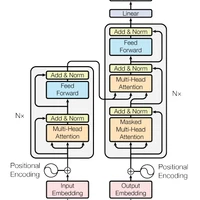


Efficient Process Reward Model Training via Active Learning
Process Reward Models (PRMs) provide step-level supervision to large language models (LLMs), but scaling up training data annotation remains challenging for both humans and LLMs. To address this limitation, we propose an active learning approach, ActPRM, which proactively selects the most uncertain samples for training, substantially reducing labeling costs. During training, we use the PRM to estimate uncertainty after the forward pass, retaining only highly uncertain data. A capable yet costly reasoning model then labels this data. Then we compute the loss with respect to the labels and update the PRM's weights. We compare ActPRM vs. vanilla fine-tuning, on a pool-based active learning setting, demonstrating that ActPRM reduces 50% annotation, but achieving the comparable or even better performance. Beyond annotation efficiency, we further advance the actively trained PRM by filtering over 1M+ math reasoning trajectories with ActPRM, retaining 60% of the data. A subsequent training on this selected dataset yields a new state-of-the-art (SOTA) PRM on ProcessBench (75.0%) and PRMBench (65.5%) compared with same sized models.





Studying Large Language Model Generalization with Influence Functions
When trying to gain better visibility into a machine learning model in order to understand and mitigate the associated risks, a potentially valuable source of evidence is: which training examples most contribute to a given behavior? Influence functions aim to answer a counterfactual: how would the model's parameters (and hence its outputs) change if a given sequence were added to the training set? While influence functions have produced insights for small models, they are difficult to scale to large language models (LLMs) due to the difficulty of computing an inverse-Hessian-vector product (IHVP). We use the Eigenvalue-corrected Kronecker-Factored Approximate Curvature (EK-FAC) approximation to scale influence functions up to LLMs with up to 52 billion parameters. In our experiments, EK-FAC achieves similar accuracy to traditional influence function estimators despite the IHVP computation being orders of magnitude faster. We investigate two algorithmic techniques to reduce the cost of computing gradients of candidate training sequences: TF-IDF filtering and query batching. We use influence functions to investigate the generalization patterns of LLMs, including the sparsity of the influence patterns, increasing abstraction with scale, math and programming abilities, cross-lingual generalization, and role-playing behavior. Despite many apparently sophisticated forms of generalization, we identify a surprising limitation: influences decay to near-zero when the order of key phrases is flipped. Overall, influence functions give us a powerful new tool for studying the generalization properties of LLMs.





Semantica: An Adaptable Image-Conditioned Diffusion Model
We investigate the task of adapting image generative models to different datasets without finetuneing. To this end, we introduce Semantica, an image-conditioned diffusion model capable of generating images based on the semantics of a conditioning image. Semantica is trained exclusively on web-scale image pairs, that is it receives a random image from a webpage as conditional input and models another random image from the same webpage. Our experiments highlight the expressivity of pretrained image encoders and necessity of semantic-based data filtering in achieving high-quality image generation. Once trained, it can adaptively generate new images from a dataset by simply using images from that dataset as input. We study the transfer properties of Semantica on ImageNet, LSUN Churches, LSUN Bedroom and SUN397.


GLiClass: Generalist Lightweight Model for Sequence Classification Tasks
Classification is one of the most widespread tasks in AI applications, serving often as the first step in filtering, sorting, and categorizing data. Since modern AI systems must handle large volumes of input data and early pipeline stages can propagate errors downstream, achieving high efficiency and accuracy is critical. Moreover, classification requirements can change dynamically based on user needs, necessitating models with strong zero-shot capabilities. While generative LLMs have become mainstream for zero-shot classification due to their versatility, they suffer from inconsistent instruction following and computational inefficiency. Cross-encoders, commonly used as rerankers in RAG pipelines, face a different bottleneck: they must process text-label pairs sequentially, significantly reducing efficiency with large label sets. Embedding-based approaches offer good efficiency but struggle with complex scenarios involving logical and semantic constraints. We propose GLiClass, a novel method that adapts the GLiNER architecture for sequence classification tasks. Our approach achieves strong accuracy and efficiency comparable to embedding-based methods, while maintaining the flexibility needed for zero-shot and few-shot learning scenarios. Additionally, we adapted proximal policy optimization (PPO) for multi-label text classification, enabling training classifiers in data-sparse conditions or from human feedback.




An adapted large language model facilitates multiple medical tasks in diabetes care
Diabetes is a chronic disease that poses a significant global health burden, and optimizing diabetes management requires multi-stakeholder collaboration. Large language models (LLMs) have shown promise in various healthcare scenarios, but their effectiveness across a diverse range of diabetes tasks remains unproven. In this study, we introduced a framework to train and validate diabetes-specific LLMs. We first developed a comprehensive data processing pipeline that includes data collection, filtering, augmentation and refinement. This approach contributes to creating a high-quality, diabetes-specific dataset, and several evaluation benchmarks entirely from scratch. Utilizing the collected training dataset, we fine-tuned a diabetes-specific LLM family that demonstrated state-of-the-art proficiency in understanding and processing various diabetes tasks compared to other LLMs. Furthermore, clinical studies showed the potential applications of our models in diabetes care, including providing personalized healthcare, assisting medical education, and streamlining clinical tasks. In conclusion, our study introduced a framework to develop and evaluate a diabetes-specific LLM family, and highlighted its potential to enhance clinical practice and provide personalized, data-driven support for diabetes support when facing different end users. The code is provided via GitHub at https://github.com/waltonfuture/Diabetica.



Scaling Laws for Data Filtering -- Data Curation cannot be Compute Agnostic
Vision-language models (VLMs) are trained for thousands of GPU hours on carefully curated web datasets. In recent times, data curation has gained prominence with several works developing strategies to retain 'high-quality' subsets of 'raw' scraped data. For instance, the LAION public dataset retained only 10% of the total crawled data. However, these strategies are typically developed agnostic of the available compute for training. In this paper, we first demonstrate that making filtering decisions independent of training compute is often suboptimal: the limited high-quality data rapidly loses its utility when repeated, eventually requiring the inclusion of 'unseen' but 'lower-quality' data. To address this quality-quantity tradeoff (QQT), we introduce neural scaling laws that account for the non-homogeneous nature of web data, an angle ignored in existing literature. Our scaling laws (i) characterize the differing 'utility' of various quality subsets of web data; (ii) account for how utility diminishes for a data point at its 'nth' repetition; and (iii) formulate the mutual interaction of various data pools when combined, enabling the estimation of model performance on a combination of multiple data pools without ever jointly training on them. Our key message is that data curation cannot be agnostic of the total compute that a model will be trained for. Our scaling laws allow us to curate the best possible pool for achieving top performance on Datacomp at various compute budgets, carving out a pareto-frontier for data curation. Code is available at https://github.com/locuslab/scaling_laws_data_filtering.

Online Difficulty Filtering for Reasoning Oriented Reinforcement Learning
Reasoning-Oriented Reinforcement Learning (RORL) enhances the reasoning ability of Large Language Models (LLMs). However, due to the sparsity of rewards in RORL, effective training is highly dependent on the selection of problems of appropriate difficulty. Although curriculum learning attempts to address this by adjusting difficulty, it often relies on static schedules, and even recent online filtering methods lack theoretical grounding and a systematic understanding of their effectiveness. In this work, we theoretically and empirically show that curating the batch with the problems that the training model achieves intermediate accuracy on the fly can maximize the effectiveness of RORL training, namely balanced online difficulty filtering. We first derive that the lower bound of the KL divergence between the initial and the optimal policy can be expressed with the variance of the sampled accuracy. Building on those insights, we show that balanced filtering can maximize the lower bound, leading to better performance. Experimental results across five challenging math reasoning benchmarks show that balanced online filtering yields an additional 10% in AIME and 4% improvements in average over plain GRPO. Moreover, further analysis shows the gains in sample efficiency and training time efficiency, exceeding the maximum reward of plain GRPO within 60% training time and the volume of the training set.

EigenShield: Causal Subspace Filtering via Random Matrix Theory for Adversarially Robust Vision-Language Models
Vision-Language Models (VLMs) inherit adversarial vulnerabilities of Large Language Models (LLMs), which are further exacerbated by their multimodal nature. Existing defenses, including adversarial training, input transformations, and heuristic detection, are computationally expensive, architecture-dependent, and fragile against adaptive attacks. We introduce EigenShield, an inference-time defense leveraging Random Matrix Theory to quantify adversarial disruptions in high-dimensional VLM representations. Unlike prior methods that rely on empirical heuristics, EigenShield employs the spiked covariance model to detect structured spectral deviations. Using a Robustness-based Nonconformity Score (RbNS) and quantile-based thresholding, it separates causal eigenvectors, which encode semantic information, from correlational eigenvectors that are susceptible to adversarial artifacts. By projecting embeddings onto the causal subspace, EigenShield filters adversarial noise without modifying model parameters or requiring adversarial training. This architecture-independent, attack-agnostic approach significantly reduces the attack success rate, establishing spectral analysis as a principled alternative to conventional defenses. Our results demonstrate that EigenShield consistently outperforms all existing defenses, including adversarial training, UNIGUARD, and CIDER.


Enhanced Fine-Tuning of Lightweight Domain-Specific Q&A Model Based on Large Language Models
Large language models (LLMs) excel at general question-answering (Q&A) but often fall short in specialized domains due to a lack of domain-specific knowledge. Commercial companies face the dual challenges of privacy protection and resource constraints when involving LLMs for fine-tuning. This paper propose a novel framework, Self-Evolution, designed to address these issues by leveraging lightweight open-source LLMs through multiple iterative fine-tuning rounds. To enhance the efficiency of iterative fine-tuning, Self-Evolution employ a strategy that filters and reinforces the knowledge with higher value during the iterative process. We employed Self-Evolution on Qwen1.5-7B-Chat using 4,000 documents containing rich domain knowledge from China Mobile, achieving a performance score 174% higher on domain-specific question-answering evaluations than Qwen1.5-7B-Chat and even 22% higher than Qwen1.5-72B-Chat. Self-Evolution has been deployed in China Mobile's daily operation and maintenance for 117 days, and it improves the efficiency of locating alarms, fixing problems, and finding related reports, with an average efficiency improvement of over 18.6%. In addition, we release Self-Evolution framework code in https://github.com/Zero-Pointer/Self-Evolution.
uDistil-Whisper: Label-Free Data Filtering for Knowledge Distillation in Low-Data Regimes
Recent work on distilling Whisper's knowledge into small models using pseudo-labels shows promising performance while reducing the size by up to 50\%. This results in small, efficient, and dedicated models. However, a critical step of distillation from pseudo-labels involves filtering high-quality predictions and using only those during training. This step requires ground truth labels to compare and filter low-quality examples making the whole process supervised. In addition to that, the distillation process requires a large amount of data thereby limiting the ability to distill models in low-resource settings. To address this challenge, we propose a distillation framework that does not require any labeled data. Through experimentation, we show that our best distilled models outperform the teacher model by 5-7 points in terms of WER compared to those without filtering and are on par with or perform better than similar supervised data filtering setups. When we scale the data, our models significantly outperform all zero-shot and supervised models. We demonstrate that it is possible to distill large Whisper models into relatively small ones without using any labeled data. Our distilled models are also 25-50\% more compute- and memory-efficient while maintaining performance equal to or better than that of the teacher model.
BanglaAutoKG: Automatic Bangla Knowledge Graph Construction with Semantic Neural Graph Filtering
Knowledge Graphs (KGs) have proven essential in information processing and reasoning applications because they link related entities and give context-rich information, supporting efficient information retrieval and knowledge discovery; presenting information flow in a very effective manner. Despite being widely used globally, Bangla is relatively underrepresented in KGs due to a lack of comprehensive datasets, encoders, NER (named entity recognition) models, POS (part-of-speech) taggers, and lemmatizers, hindering efficient information processing and reasoning applications in the language. Addressing the KG scarcity in Bengali, we propose BanglaAutoKG, a pioneering framework that is able to automatically construct Bengali KGs from any Bangla text. We utilize multilingual LLMs to understand various languages and correlate entities and relations universally. By employing a translation dictionary to identify English equivalents and extracting word features from pre-trained BERT models, we construct the foundational KG. To reduce noise and align word embeddings with our goal, we employ graph-based polynomial filters. Lastly, we implement a GNN-based semantic filter, which elevates contextual understanding and trims unnecessary edges, culminating in the formation of the definitive KG. Empirical findings and case studies demonstrate the universal effectiveness of our model, capable of autonomously constructing semantically enriched KGs from any text.

Grounding Language Model with Chunking-Free In-Context Retrieval
This paper presents a novel Chunking-Free In-Context (CFIC) retrieval approach, specifically tailored for Retrieval-Augmented Generation (RAG) systems. Traditional RAG systems often struggle with grounding responses using precise evidence text due to the challenges of processing lengthy documents and filtering out irrelevant content. Commonly employed solutions, such as document chunking and adapting language models to handle longer contexts, have their limitations. These methods either disrupt the semantic coherence of the text or fail to effectively address the issues of noise and inaccuracy in evidence retrieval. CFIC addresses these challenges by circumventing the conventional chunking process. It utilizes the encoded hidden states of documents for in-context retrieval, employing auto-aggressive decoding to accurately identify the specific evidence text required for user queries, eliminating the need for chunking. CFIC is further enhanced by incorporating two decoding strategies, namely Constrained Sentence Prefix Decoding and Skip Decoding. These strategies not only improve the efficiency of the retrieval process but also ensure that the fidelity of the generated grounding text evidence is maintained. Our evaluations of CFIC on a range of open QA datasets demonstrate its superiority in retrieving relevant and accurate evidence, offering a significant improvement over traditional methods. By doing away with the need for document chunking, CFIC presents a more streamlined, effective, and efficient retrieval solution, making it a valuable advancement in the field of RAG systems.


Decision ConvFormer: Local Filtering in MetaFormer is Sufficient for Decision Making
The recent success of Transformer in natural language processing has sparked its use in various domains. In offline reinforcement learning (RL), Decision Transformer (DT) is emerging as a promising model based on Transformer. However, we discovered that the attention module of DT is not appropriate to capture the inherent local dependence pattern in trajectories of RL modeled as a Markov decision process. To overcome the limitations of DT, we propose a novel action sequence predictor, named Decision ConvFormer (DC), based on the architecture of MetaFormer, which is a general structure to process multiple entities in parallel and understand the interrelationship among the multiple entities. DC employs local convolution filtering as the token mixer and can effectively capture the inherent local associations of the RL dataset. In extensive experiments, DC achieved state-of-the-art performance across various standard RL benchmarks while requiring fewer resources. Furthermore, we show that DC better understands the underlying meaning in data and exhibits enhanced generalization capability.

Fighting Bias with Bias: Promoting Model Robustness by Amplifying Dataset Biases
NLP models often rely on superficial cues known as dataset biases to achieve impressive performance, and can fail on examples where these biases do not hold. Recent work sought to develop robust, unbiased models by filtering biased examples from training sets. In this work, we argue that such filtering can obscure the true capabilities of models to overcome biases, which might never be removed in full from the dataset. We suggest that in order to drive the development of models robust to subtle biases, dataset biases should be amplified in the training set. We introduce an evaluation framework defined by a bias-amplified training set and an anti-biased test set, both automatically extracted from existing datasets. Experiments across three notions of bias, four datasets and two models show that our framework is substantially more challenging for models than the original data splits, and even more challenging than hand-crafted challenge sets. Our evaluation framework can use any existing dataset, even those considered obsolete, to test model robustness. We hope our work will guide the development of robust models that do not rely on superficial biases and correlations. To this end, we publicly release our code and data.
IterativePFN: True Iterative Point Cloud Filtering
The quality of point clouds is often limited by noise introduced during their capture process. Consequently, a fundamental 3D vision task is the removal of noise, known as point cloud filtering or denoising. State-of-the-art learning based methods focus on training neural networks to infer filtered displacements and directly shift noisy points onto the underlying clean surfaces. In high noise conditions, they iterate the filtering process. However, this iterative filtering is only done at test time and is less effective at ensuring points converge quickly onto the clean surfaces. We propose IterativePFN (iterative point cloud filtering network), which consists of multiple IterationModules that model the true iterative filtering process internally, within a single network. We train our IterativePFN network using a novel loss function that utilizes an adaptive ground truth target at each iteration to capture the relationship between intermediate filtering results during training. This ensures that the filtered results converge faster to the clean surfaces. Our method is able to obtain better performance compared to state-of-the-art methods. The source code can be found at: https://github.com/ddsediri/IterativePFN.
Funnel-Transformer: Filtering out Sequential Redundancy for Efficient Language Processing
With the success of language pretraining, it is highly desirable to develop more efficient architectures of good scalability that can exploit the abundant unlabeled data at a lower cost. To improve the efficiency, we examine the much-overlooked redundancy in maintaining a full-length token-level presentation, especially for tasks that only require a single-vector presentation of the sequence. With this intuition, we propose Funnel-Transformer which gradually compresses the sequence of hidden states to a shorter one and hence reduces the computation cost. More importantly, by re-investing the saved FLOPs from length reduction in constructing a deeper or wider model, we further improve the model capacity. In addition, to perform token-level predictions as required by common pretraining objectives, Funnel-Transformer is able to recover a deep representation for each token from the reduced hidden sequence via a decoder. Empirically, with comparable or fewer FLOPs, Funnel-Transformer outperforms the standard Transformer on a wide variety of sequence-level prediction tasks, including text classification, language understanding, and reading comprehension. The code and pretrained checkpoints are available at https://github.com/laiguokun/Funnel-Transformer.