
Get trending papers in your email inbox once a day!
Get trending papers in your email inbox!
Subscribe

MCUNetV2: Memory-Efficient Patch-based Inference for Tiny Deep Learning
Tiny deep learning on microcontroller units (MCUs) is challenging due to the limited memory size. We find that the memory bottleneck is due to the imbalanced memory distribution in convolutional neural network (CNN) designs: the first several blocks have an order of magnitude larger memory usage than the rest of the network. To alleviate this issue, we propose a generic patch-by-patch inference scheduling, which operates only on a small spatial region of the feature map and significantly cuts down the peak memory. However, naive implementation brings overlapping patches and computation overhead. We further propose network redistribution to shift the receptive field and FLOPs to the later stage and reduce the computation overhead. Manually redistributing the receptive field is difficult. We automate the process with neural architecture search to jointly optimize the neural architecture and inference scheduling, leading to MCUNetV2. Patch-based inference effectively reduces the peak memory usage of existing networks by 4-8x. Co-designed with neural networks, MCUNetV2 sets a record ImageNet accuracy on MCU (71.8%), and achieves >90% accuracy on the visual wake words dataset under only 32kB SRAM. MCUNetV2 also unblocks object detection on tiny devices, achieving 16.9% higher mAP on Pascal VOC compared to the state-of-the-art result. Our study largely addressed the memory bottleneck in tinyML and paved the way for various vision applications beyond image classification.

MonoPatchNeRF: Improving Neural Radiance Fields with Patch-based Monocular Guidance
The latest regularized Neural Radiance Field (NeRF) approaches produce poor geometry and view extrapolation for multiview stereo (MVS) benchmarks such as ETH3D. In this paper, we aim to create 3D models that provide accurate geometry and view synthesis, partially closing the large geometric performance gap between NeRF and traditional MVS methods. We propose a patch-based approach that effectively leverages monocular surface normal and relative depth predictions. The patch-based ray sampling also enables the appearance regularization of normalized cross-correlation (NCC) and structural similarity (SSIM) between randomly sampled virtual and training views. We further show that "density restrictions" based on sparse structure-from-motion points can help greatly improve geometric accuracy with a slight drop in novel view synthesis metrics. Our experiments show 4x the performance of RegNeRF and 8x that of FreeNeRF on average F1@2cm for ETH3D MVS benchmark, suggesting a fruitful research direction to improve the geometric accuracy of NeRF-based models, and sheds light on a potential future approach to enable NeRF-based optimization to eventually outperform traditional MVS.


MedicalPatchNet: A Patch-Based Self-Explainable AI Architecture for Chest X-ray Classification
Deep neural networks excel in radiological image classification but frequently suffer from poor interpretability, limiting clinical acceptance. We present MedicalPatchNet, an inherently self-explainable architecture for chest X-ray classification that transparently attributes decisions to distinct image regions. MedicalPatchNet splits images into non-overlapping patches, independently classifies each patch, and aggregates predictions, enabling intuitive visualization of each patch's diagnostic contribution without post-hoc techniques. Trained on the CheXpert dataset (223,414 images), MedicalPatchNet matches the classification performance (AUROC 0.907 vs. 0.908) of EfficientNet-B0, while substantially improving interpretability: MedicalPatchNet demonstrates substantially improved interpretability with higher pathology localization accuracy (mean hit-rate 0.485 vs. 0.376 with Grad-CAM) on the CheXlocalize dataset. By providing explicit, reliable explanations accessible even to non-AI experts, MedicalPatchNet mitigates risks associated with shortcut learning, thus improving clinical trust. Our model is publicly available with reproducible training and inference scripts and contributes to safer, explainable AI-assisted diagnostics across medical imaging domains. We make the code publicly available: https://github.com/TruhnLab/MedicalPatchNet
Value-Driven Mixed-Precision Quantization for Patch-Based Inference on Microcontrollers
Deploying neural networks on microcontroller units (MCUs) presents substantial challenges due to their constrained computation and memory resources. Previous researches have explored patch-based inference as a strategy to conserve memory without sacrificing model accuracy. However, this technique suffers from severe redundant computation overhead, leading to a substantial increase in execution latency. A feasible solution to address this issue is mixed-precision quantization, but it faces the challenges of accuracy degradation and a time-consuming search time. In this paper, we propose QuantMCU, a novel patch-based inference method that utilizes value-driven mixed-precision quantization to reduce redundant computation. We first utilize value-driven patch classification (VDPC) to maintain the model accuracy. VDPC classifies patches into two classes based on whether they contain outlier values. For patches containing outlier values, we apply 8-bit quantization to the feature maps on the dataflow branches that follow. In addition, for patches without outlier values, we utilize value-driven quantization search (VDQS) on the feature maps of their following dataflow branches to reduce search time. Specifically, VDQS introduces a novel quantization search metric that takes into account both computation and accuracy, and it employs entropy as an accuracy representation to avoid additional training. VDQS also adopts an iterative approach to determine the bitwidth of each feature map to further accelerate the search process. Experimental results on real-world MCU devices show that QuantMCU can reduce computation by 2.2x on average while maintaining comparable model accuracy compared to the state-of-the-art patch-based inference methods.
Defending Against Patch-based Backdoor Attacks on Self-Supervised Learning
Recently, self-supervised learning (SSL) was shown to be vulnerable to patch-based data poisoning backdoor attacks. It was shown that an adversary can poison a small part of the unlabeled data so that when a victim trains an SSL model on it, the final model will have a backdoor that the adversary can exploit. This work aims to defend self-supervised learning against such attacks. We use a three-step defense pipeline, where we first train a model on the poisoned data. In the second step, our proposed defense algorithm (PatchSearch) uses the trained model to search the training data for poisoned samples and removes them from the training set. In the third step, a final model is trained on the cleaned-up training set. Our results show that PatchSearch is an effective defense. As an example, it improves a model's accuracy on images containing the trigger from 38.2% to 63.7% which is very close to the clean model's accuracy, 64.6%. Moreover, we show that PatchSearch outperforms baselines and state-of-the-art defense approaches including those using additional clean, trusted data. Our code is available at https://github.com/UCDvision/PatchSearch

Forecasting Time Series with LLMs via Patch-Based Prompting and Decomposition
Recent advances in Large Language Models (LLMs) have demonstrated new possibilities for accurate and efficient time series analysis, but prior work often required heavy fine-tuning and/or ignored inter-series correlations. In this work, we explore simple and flexible prompt-based strategies that enable LLMs to perform time series forecasting without extensive retraining or the use of a complex external architecture. Through the exploration of specialized prompting methods that leverage time series decomposition, patch-based tokenization, and similarity-based neighbor augmentation, we find that it is possible to enhance LLM forecasting quality while maintaining simplicity and requiring minimal preprocessing of data. To this end, we propose our own method, PatchInstruct, which enables LLMs to make precise and effective predictions.


Enhancing Mobile Privacy and Security: A Face Skin Patch-Based Anti-Spoofing Approach
As Facial Recognition System(FRS) is widely applied in areas such as access control and mobile payments due to its convenience and high accuracy. The security of facial recognition is also highly regarded. The Face anti-spoofing system(FAS) for face recognition is an important component used to enhance the security of face recognition systems. Traditional FAS used images containing identity information to detect spoofing traces, however there is a risk of privacy leakage during the transmission and storage of these images. Besides, the encryption and decryption of these privacy-sensitive data takes too long compared to inference time by FAS model. To address the above issues, we propose a face anti-spoofing algorithm based on facial skin patches leveraging pure facial skin patch images as input, which contain no privacy information, no encryption or decryption is needed for these images. We conduct experiments on several public datasets, the results prove that our algorithm has demonstrated superiority in both accuracy and speed.
EntroPE: Entropy-Guided Dynamic Patch Encoder for Time Series Forecasting
Transformer-based models have significantly advanced time series forecasting, with patch-based input strategies offering efficiency and improved long-horizon modeling. Yet, existing approaches rely on temporally-agnostic patch construction, where arbitrary starting positions and fixed lengths fracture temporal coherence by splitting natural transitions across boundaries. This naive segmentation often disrupts short-term dependencies and weakens representation learning. In response, we propose EntroPE (Entropy-Guided Dynamic Patch Encoder), a novel, temporally informed framework that dynamically detects transition points via conditional entropy and dynamically places patch boundaries. This preserves temporal structure while retaining the computational benefits of patching. EntroPE consists of two key modules, namely an Entropy-based Dynamic Patcher (EDP) that applies information-theoretic criteria to locate natural temporal shifts and determine patch boundaries, and an Adaptive Patch Encoder (APE) that employs pooling and cross-attention to capture intra-patch dependencies and produce fixed-size latent representations. These embeddings are then processed by a global transformer to model inter-patch dynamics. Experiments across long-term forecasting benchmarks demonstrate that EntroPE improves both accuracy and efficiency, establishing entropy-guided dynamic patching as a promising new paradigm for time series modeling. Code is available at: https://github.com/Sachithx/EntroPE.

Are Vision Transformers Robust to Patch Perturbations?
Recent advances in Vision Transformer (ViT) have demonstrated its impressive performance in image classification, which makes it a promising alternative to Convolutional Neural Network (CNN). Unlike CNNs, ViT represents an input image as a sequence of image patches. The patch-based input image representation makes the following question interesting: How does ViT perform when individual input image patches are perturbed with natural corruptions or adversarial perturbations, compared to CNNs? In this work, we study the robustness of ViT to patch-wise perturbations. Surprisingly, we find that ViTs are more robust to naturally corrupted patches than CNNs, whereas they are more vulnerable to adversarial patches. Furthermore, we discover that the attention mechanism greatly affects the robustness of vision transformers. Specifically, the attention module can help improve the robustness of ViT by effectively ignoring natural corrupted patches. However, when ViTs are attacked by an adversary, the attention mechanism can be easily fooled to focus more on the adversarially perturbed patches and cause a mistake. Based on our analysis, we propose a simple temperature-scaling based method to improve the robustness of ViT against adversarial patches. Extensive qualitative and quantitative experiments are performed to support our findings, understanding, and improvement of ViT robustness to patch-wise perturbations across a set of transformer-based architectures.
FPGA: Fast Patch-Free Global Learning Framework for Fully End-to-End Hyperspectral Image Classification
Deep learning techniques have provided significant improvements in hyperspectral image (HSI) classification. The current deep learning based HSI classifiers follow a patch-based learning framework by dividing the image into overlapping patches. As such, these methods are local learning methods, which have a high computational cost. In this paper, a fast patch-free global learning (FPGA) framework is proposed for HSI classification. In FPGA, an encoder-decoder based FCN is utilized to consider the global spatial information by processing the whole image, which results in fast inference. However, it is difficult to directly utilize the encoder-decoder based FCN for HSI classification as it always fails to converge due to the insufficiently diverse gradients caused by the limited training samples. To solve the divergence problem and maintain the abilities of FCN of fast inference and global spatial information mining, a global stochastic stratified sampling strategy is first proposed by transforming all the training samples into a stochastic sequence of stratified samples. This strategy can obtain diverse gradients to guarantee the convergence of the FCN in the FPGA framework. For a better design of FCN architecture, FreeNet, which is a fully end-to-end network for HSI classification, is proposed to maximize the exploitation of the global spatial information and boost the performance via a spectral attention based encoder and a lightweight decoder. A lateral connection module is also designed to connect the encoder and decoder, fusing the spatial details in the encoder and the semantic features in the decoder. The experimental results obtained using three public benchmark datasets suggest that the FPGA framework is superior to the patch-based framework in both speed and accuracy for HSI classification. Code has been made available at: https://github.com/Z-Zheng/FreeNet.

Improvements to context based self-supervised learning
We develop a set of methods to improve on the results of self-supervised learning using context. We start with a baseline of patch based arrangement context learning and go from there. Our methods address some overt problems such as chromatic aberration as well as other potential problems such as spatial skew and mid-level feature neglect. We prevent problems with testing generalization on common self-supervised benchmark tests by using different datasets during our development. The results of our methods combined yield top scores on all standard self-supervised benchmarks, including classification and detection on PASCAL VOC 2007, segmentation on PASCAL VOC 2012, and "linear tests" on the ImageNet and CSAIL Places datasets. We obtain an improvement over our baseline method of between 4.0 to 7.1 percentage points on transfer learning classification tests. We also show results on different standard network architectures to demonstrate generalization as well as portability. All data, models and programs are available at: https://gdo-datasci.llnl.gov/selfsupervised/.

PatchVSR: Breaking Video Diffusion Resolution Limits with Patch-wise Video Super-Resolution
Pre-trained video generation models hold great potential for generative video super-resolution (VSR). However, adapting them for full-size VSR, as most existing methods do, suffers from unnecessary intensive full-attention computation and fixed output resolution. To overcome these limitations, we make the first exploration into utilizing video diffusion priors for patch-wise VSR. This is non-trivial because pre-trained video diffusion models are not native for patch-level detail generation. To mitigate this challenge, we propose an innovative approach, called PatchVSR, which integrates a dual-stream adapter for conditional guidance. The patch branch extracts features from input patches to maintain content fidelity while the global branch extracts context features from the resized full video to bridge the generation gap caused by incomplete semantics of patches. Particularly, we also inject the patch's location information into the model to better contextualize patch synthesis within the global video frame. Experiments demonstrate that our method can synthesize high-fidelity, high-resolution details at the patch level. A tailor-made multi-patch joint modulation is proposed to ensure visual consistency across individually enhanced patches. Due to the flexibility of our patch-based paradigm, we can achieve highly competitive 4K VSR based on a 512x512 resolution base model, with extremely high efficiency.

CORN: Contact-based Object Representation for Nonprehensile Manipulation of General Unseen Objects
Nonprehensile manipulation is essential for manipulating objects that are too thin, large, or otherwise ungraspable in the wild. To sidestep the difficulty of contact modeling in conventional modeling-based approaches, reinforcement learning (RL) has recently emerged as a promising alternative. However, previous RL approaches either lack the ability to generalize over diverse object shapes, or use simple action primitives that limit the diversity of robot motions. Furthermore, using RL over diverse object geometry is challenging due to the high cost of training a policy that takes in high-dimensional sensory inputs. We propose a novel contact-based object representation and pretraining pipeline to tackle this. To enable massively parallel training, we leverage a lightweight patch-based transformer architecture for our encoder that processes point clouds, thus scaling our training across thousands of environments. Compared to learning from scratch, or other shape representation baselines, our representation facilitates both time- and data-efficient learning. We validate the efficacy of our overall system by zero-shot transferring the trained policy to novel real-world objects. Code and videos are available at https://sites.google.com/view/contact-non-prehensile.
Augmenting Convolutional networks with attention-based aggregation
We show how to augment any convolutional network with an attention-based global map to achieve non-local reasoning. We replace the final average pooling by an attention-based aggregation layer akin to a single transformer block, that weights how the patches are involved in the classification decision. We plug this learned aggregation layer with a simplistic patch-based convolutional network parametrized by 2 parameters (width and depth). In contrast with a pyramidal design, this architecture family maintains the input patch resolution across all the layers. It yields surprisingly competitive trade-offs between accuracy and complexity, in particular in terms of memory consumption, as shown by our experiments on various computer vision tasks: object classification, image segmentation and detection.

Patch Craft: Video Denoising by Deep Modeling and Patch Matching
The non-local self-similarity property of natural images has been exploited extensively for solving various image processing problems. When it comes to video sequences, harnessing this force is even more beneficial due to the temporal redundancy. In the context of image and video denoising, many classically-oriented algorithms employ self-similarity, splitting the data into overlapping patches, gathering groups of similar ones and processing these together somehow. With the emergence of convolutional neural networks (CNN), the patch-based framework has been abandoned. Most CNN denoisers operate on the whole image, leveraging non-local relations only implicitly by using a large receptive field. This work proposes a novel approach for leveraging self-similarity in the context of video denoising, while still relying on a regular convolutional architecture. We introduce a concept of patch-craft frames - artificial frames that are similar to the real ones, built by tiling matched patches. Our algorithm augments video sequences with patch-craft frames and feeds them to a CNN. We demonstrate the substantial boost in denoising performance obtained with the proposed approach.

TimeMosaic: Temporal Heterogeneity Guided Time Series Forecasting via Adaptive Granularity Patch and Segment-wise Decoding
Multivariate time series forecasting is essential in domains such as finance, transportation, climate, and energy. However, existing patch-based methods typically adopt fixed-length segmentation, overlooking the heterogeneity of local temporal dynamics and the decoding heterogeneity of forecasting. Such designs lose details in information-dense regions, introduce redundancy in stable segments, and fail to capture the distinct complexities of short-term and long-term horizons. We propose TimeMosaic, a forecasting framework that aims to address temporal heterogeneity. TimeMosaic employs adaptive patch embedding to dynamically adjust granularity according to local information density, balancing motif reuse with structural clarity while preserving temporal continuity. In addition, it introduces segment-wise decoding that treats each prediction horizon as a related subtask and adapts to horizon-specific difficulty and information requirements, rather than applying a single uniform decoder. Extensive evaluations on benchmark datasets demonstrate that TimeMosaic delivers consistent improvements over existing methods, and our model trained on the large-scale corpus with 321 billion observations achieves performance competitive with state-of-the-art TSFMs.
DiffEye: Diffusion-Based Continuous Eye-Tracking Data Generation Conditioned on Natural Images
Numerous models have been developed for scanpath and saliency prediction, which are typically trained on scanpaths, which model eye movement as a sequence of discrete fixation points connected by saccades, while the rich information contained in the raw trajectories is often discarded. Moreover, most existing approaches fail to capture the variability observed among human subjects viewing the same image. They generally predict a single scanpath of fixed, pre-defined length, which conflicts with the inherent diversity and stochastic nature of real-world visual attention. To address these challenges, we propose DiffEye, a diffusion-based training framework designed to model continuous and diverse eye movement trajectories during free viewing of natural images. Our method builds on a diffusion model conditioned on visual stimuli and introduces a novel component, namely Corresponding Positional Embedding (CPE), which aligns spatial gaze information with the patch-based semantic features of the visual input. By leveraging raw eye-tracking trajectories rather than relying on scanpaths, DiffEye captures the inherent variability in human gaze behavior and generates high-quality, realistic eye movement patterns, despite being trained on a comparatively small dataset. The generated trajectories can also be converted into scanpaths and saliency maps, resulting in outputs that more accurately reflect the distribution of human visual attention. DiffEye is the first method to tackle this task on natural images using a diffusion model while fully leveraging the richness of raw eye-tracking data. Our extensive evaluation shows that DiffEye not only achieves state-of-the-art performance in scanpath generation but also enables, for the first time, the generation of continuous eye movement trajectories. Project webpage: https://diff-eye.github.io/
Why Registration Quality Matters: Enhancing sCT Synthesis with IMPACT-Based Registration
We participated in the SynthRAD2025 challenge (Tasks 1 and 2) with a unified pipeline for synthetic CT (sCT) generation from MRI and CBCT, implemented using the KonfAI framework. Our model is a 2.5D U-Net++ with a ResNet-34 encoder, trained jointly across anatomical regions and fine-tuned per region. The loss function combined pixel-wise L1 loss with IMPACT-Synth, a perceptual loss derived from SAM and TotalSegmentator to enhance structural fidelity. Training was performed using AdamW (initial learning rate = 0.001, halved every 25k steps) on patch-based, normalized, body-masked inputs (320x320 for MRI, 256x256 for CBCT), with random flipping as the only augmentation. No post-processing was applied. Final predictions leveraged test-time augmentation and five-fold ensembling. The best model was selected based on validation MAE. Two registration strategies were evaluated: (i) Elastix with mutual information, consistent with the challenge pipeline, and (ii) IMPACT, a feature-based similarity metric leveraging pretrained segmentation networks. On the local test sets, IMPACT-based registration achieved more accurate and anatomically consistent alignments than mutual-information-based registration, resulting in improved sCT synthesis with lower MAE and more realistic anatomical structures. On the public validation set, however, models trained with Elastix-aligned data achieved higher scores, reflecting a registration bias favoring alignment strategies consistent with the evaluation pipeline. This highlights how registration errors can propagate into supervised learning, influencing both training and evaluation, and potentially inflating performance metrics at the expense of anatomical fidelity. By promoting anatomically consistent alignment, IMPACT helps mitigate this bias and supports the development of more robust and generalizable sCT synthesis models.

Seeing Isn't Believing: Context-Aware Adversarial Patch Synthesis via Conditional GAN
Adversarial patch attacks pose a severe threat to deep neural networks, yet most existing approaches rely on unrealistic white-box assumptions, untargeted objectives, or produce visually conspicuous patches that limit real-world applicability. In this work, we introduce a novel framework for fully controllable adversarial patch generation, where the attacker can freely choose both the input image x and the target class y target, thereby dictating the exact misclassification outcome. Our method combines a generative U-Net design with Grad-CAM-guided patch placement, enabling semantic-aware localization that maximizes attack effectiveness while preserving visual realism. Extensive experiments across convolutional networks (DenseNet-121, ResNet-50) and vision transformers (ViT-B/16, Swin-B/16, among others) demonstrate that our approach achieves state-of-the-art performance across all settings, with attack success rates (ASR) and target-class success (TCS) consistently exceeding 99%. Importantly, we show that our method not only outperforms prior white-box attacks and untargeted baselines, but also surpasses existing non-realistic approaches that produce detectable artifacts. By simultaneously ensuring realism, targeted control, and black-box applicability-the three most challenging dimensions of patch-based attacks-our framework establishes a new benchmark for adversarial robustness research, bridging the gap between theoretical attack strength and practical stealthiness.
SPOCKMIP: Segmentation of Vessels in MRAs with Enhanced Continuity using Maximum Intensity Projection as Loss
Identification of vessel structures of different sizes in biomedical images is crucial in the diagnosis of many neurodegenerative diseases. However, the sparsity of good-quality annotations of such images makes the task of vessel segmentation challenging. Deep learning offers an efficient way to segment vessels of different sizes by learning their high-level feature representations and the spatial continuity of such features across dimensions. Semi-supervised patch-based approaches have been effective in identifying small vessels of one to two voxels in diameter. This study focuses on improving the segmentation quality by considering the spatial correlation of the features using the Maximum Intensity Projection~(MIP) as an additional loss criterion. Two methods are proposed with the incorporation of MIPs of label segmentation on the single~(z-axis) and multiple perceivable axes of the 3D volume. The proposed MIP-based methods produce segmentations with improved vessel continuity, which is evident in visual examinations of ROIs. Patch-based training is improved by introducing an additional loss term, MIP loss, to penalise the predicted discontinuity of vessels. A training set of 14 volumes is selected from the StudyForrest dataset comprising of 18 7-Tesla 3D Time-of-Flight~(ToF) Magnetic Resonance Angiography (MRA) images. The generalisation performance of the method is evaluated using the other unseen volumes in the dataset. It is observed that the proposed method with multi-axes MIP loss produces better quality segmentations with a median Dice of 80.245 pm 0.129. Also, the method with single-axis MIP loss produces segmentations with a median Dice of 79.749 pm 0.109. Furthermore, a visual comparison of the ROIs in the predicted segmentation reveals a significant improvement in the continuity of the vessels when MIP loss is incorporated into training.

Distilling semantically aware orders for autoregressive image generation
Autoregressive patch-based image generation has recently shown competitive results in terms of image quality and scalability. It can also be easily integrated and scaled within Vision-Language models. Nevertheless, autoregressive models require a defined order for patch generation. While a natural order based on the dictation of the words makes sense for text generation, there is no inherent generation order that exists for image generation. Traditionally, a raster-scan order (from top-left to bottom-right) guides autoregressive image generation models. In this paper, we argue that this order is suboptimal, as it fails to respect the causality of the image content: for instance, when conditioned on a visual description of a sunset, an autoregressive model may generate clouds before the sun, even though the color of clouds should depend on the color of the sun and not the inverse. In this work, we show that first by training a model to generate patches in any-given-order, we can infer both the content and the location (order) of each patch during generation. Secondly, we use these extracted orders to finetune the any-given-order model to produce better-quality images. Through our experiments, we show on two datasets that this new generation method produces better images than the traditional raster-scan approach, with similar training costs and no extra annotations.




Free-form Video Inpainting with 3D Gated Convolution and Temporal PatchGAN
Free-form video inpainting is a very challenging task that could be widely used for video editing such as text removal. Existing patch-based methods could not handle non-repetitive structures such as faces, while directly applying image-based inpainting models to videos will result in temporal inconsistency (see http://bit.ly/2Fu1n6b ). In this paper, we introduce a deep learn-ing based free-form video inpainting model, with proposed 3D gated convolutions to tackle the uncertainty of free-form masks and a novel Temporal PatchGAN loss to enhance temporal consistency. In addition, we collect videos and design a free-form mask generation algorithm to build the free-form video inpainting (FVI) dataset for training and evaluation of video inpainting models. We demonstrate the benefits of these components and experiments on both the FaceForensics and our FVI dataset suggest that our method is superior to existing ones. Related source code, full-resolution result videos and the FVI dataset could be found on Github https://github.com/amjltc295/Free-Form-Video-Inpainting .
Hulu-Med: A Transparent Generalist Model towards Holistic Medical Vision-Language Understanding
Real-world clinical decision-making grapples with integrating information from diverse data modalities, including medical text, 2D/3D images, and video, leading to inefficiencies and potential diagnostic oversights. While generalist vision-language models (VLMs) offer promise, their medical development faces challenges of opaque pipelines, data scarcity, and architectural inflexibility. Here we present Hulu-Med, a transparent medical VLM that unifies understanding across all these modalities. Built upon a unified patch-based vision encoder and an LLM decoder, Hulu-Med was progressively trained on 16.7 million (M) samples to scale from 2D to 3D and video comprehension. The medical-aware token reduction enables efficient training, requiring only 4,000 to 40,000 GPU hours for 7B to 32B parameter variants. Extensive evaluation across 30 benchmarks exhibits state-of-the-art performance, surpassing leading open-source models and competing with proprietary systems in tasks spanning visual question-answering, medical report generation, and complex reasoning in multilingual and rare disease scenarios. By open-sourcing our complete pipeline, we establish that high-performance medical VLM can be achieved transparently, providing a foundational tool for accessible and impactful clinical AI. Code is released on https://github.com/ZJUI-AI4H/Hulu-Med{https://github.com/ZJUI-AI4H/Hulu-Med}.
Investigating Compositional Reasoning in Time Series Foundation Models
Large pre-trained time series foundation models (TSFMs) have demonstrated promising zero-shot performance across a wide range of domains. However, a question remains: Do TSFMs succeed solely by memorizing training patterns, or do they possess the ability to reason? While reasoning is a topic of great interest in the study of Large Language Models (LLMs), it is undefined and largely unexplored in the context of TSFMs. In this work, inspired by language modeling literature, we formally define compositional reasoning in forecasting and distinguish it from in-distribution generalization. We evaluate the reasoning and generalization capabilities of 23 popular deep learning forecasting models on multiple synthetic and real-world datasets. Additionally, through controlled studies, we systematically examine which design choices in TSFMs contribute to improved reasoning abilities. Our study yields key insights into the impact of TSFM architecture design on compositional reasoning and generalization. We find that patch-based Transformers have the best reasoning performance, closely followed by residualized MLP-based architectures, which are 97\% less computationally complex in terms of FLOPs and 86\% smaller in terms of the number of trainable parameters. Interestingly, in some zero-shot out-of-distribution scenarios, these models can outperform moving average and exponential smoothing statistical baselines trained on in-distribution data. Only a few design choices, such as the tokenization method, had a significant (negative) impact on Transformer model performance.

Tera-MIND: Tera-scale mouse brain simulation via spatial mRNA-guided diffusion
Holistic 3D modeling of molecularly defined brain structures is crucial for understanding complex brain functions. Emerging tissue profiling technologies enable the construction of a comprehensive atlas of the mammalian brain with sub-cellular resolution and spatially resolved gene expression data. However, such tera-scale volumetric datasets present significant computational challenges in understanding complex brain functions within their native 3D spatial context. Here, we propose the novel generative approach Tera-MIND, which can simulate Tera-scale Mouse braINs in 3D using a patch-based and boundary-aware Diffusion model. Taking spatial transcriptomic data as the conditional input, we generate virtual mouse brains with comprehensive cellular morphological detail at teravoxel scale. Through the lens of 3D gene-gene self-attention, we identify spatial molecular interactions for key transcriptomic pathways in the murine brain, exemplified by glutamatergic and dopaminergic neuronal systems. Importantly, these in-silico biological findings are consistent and reproducible across three tera-scale virtual mouse brains. Therefore, Tera-MIND showcases a promising path toward efficient and generative simulations of whole organ systems for biomedical research. Project website: http://musikisomorphie.github.io/Tera-MIND.html{https}

Self-Calibrated Cross Attention Network for Few-Shot Segmentation
The key to the success of few-shot segmentation (FSS) lies in how to effectively utilize support samples. Most solutions compress support foreground (FG) features into prototypes, but lose some spatial details. Instead, others use cross attention to fuse query features with uncompressed support FG. Query FG could be fused with support FG, however, query background (BG) cannot find matched BG features in support FG, yet inevitably integrates dissimilar features. Besides, as both query FG and BG are combined with support FG, they get entangled, thereby leading to ineffective segmentation. To cope with these issues, we design a self-calibrated cross attention (SCCA) block. For efficient patch-based attention, query and support features are firstly split into patches. Then, we design a patch alignment module to align each query patch with its most similar support patch for better cross attention. Specifically, SCCA takes a query patch as Q, and groups the patches from the same query image and the aligned patches from the support image as K&V. In this way, the query BG features are fused with matched BG features (from query patches), and thus the aforementioned issues will be mitigated. Moreover, when calculating SCCA, we design a scaled-cosine mechanism to better utilize the support features for similarity calculation. Extensive experiments conducted on PASCAL-5^i and COCO-20^i demonstrate the superiority of our model, e.g., the mIoU score under 5-shot setting on COCO-20^i is 5.6%+ better than previous state-of-the-arts. The code is available at https://github.com/Sam1224/SCCAN.
SuperPoint: Self-Supervised Interest Point Detection and Description
This paper presents a self-supervised framework for training interest point detectors and descriptors suitable for a large number of multiple-view geometry problems in computer vision. As opposed to patch-based neural networks, our fully-convolutional model operates on full-sized images and jointly computes pixel-level interest point locations and associated descriptors in one forward pass. We introduce Homographic Adaptation, a multi-scale, multi-homography approach for boosting interest point detection repeatability and performing cross-domain adaptation (e.g., synthetic-to-real). Our model, when trained on the MS-COCO generic image dataset using Homographic Adaptation, is able to repeatedly detect a much richer set of interest points than the initial pre-adapted deep model and any other traditional corner detector. The final system gives rise to state-of-the-art homography estimation results on HPatches when compared to LIFT, SIFT and ORB.
LPOSS: Label Propagation Over Patches and Pixels for Open-vocabulary Semantic Segmentation
We propose a training-free method for open-vocabulary semantic segmentation using Vision-and-Language Models (VLMs). Our approach enhances the initial per-patch predictions of VLMs through label propagation, which jointly optimizes predictions by incorporating patch-to-patch relationships. Since VLMs are primarily optimized for cross-modal alignment and not for intra-modal similarity, we use a Vision Model (VM) that is observed to better capture these relationships. We address resolution limitations inherent to patch-based encoders by applying label propagation at the pixel level as a refinement step, significantly improving segmentation accuracy near class boundaries. Our method, called LPOSS+, performs inference over the entire image, avoiding window-based processing and thereby capturing contextual interactions across the full image. LPOSS+ achieves state-of-the-art performance among training-free methods, across a diverse set of datasets. Code: https://github.com/vladan-stojnic/LPOSS

BUFFER-X: Towards Zero-Shot Point Cloud Registration in Diverse Scenes
Recent advances in deep learning-based point cloud registration have improved generalization, yet most methods still require retraining or manual parameter tuning for each new environment. In this paper, we identify three key factors limiting generalization: (a) reliance on environment-specific voxel size and search radius, (b) poor out-of-domain robustness of learning-based keypoint detectors, and (c) raw coordinate usage, which exacerbates scale discrepancies. To address these issues, we present a zero-shot registration pipeline called BUFFER-X by (a) adaptively determining voxel size/search radii, (b) using farthest point sampling to bypass learned detectors, and (c) leveraging patch-wise scale normalization for consistent coordinate bounds. In particular, we present a multi-scale patch-based descriptor generation and a hierarchical inlier search across scales to improve robustness in diverse scenes. We also propose a novel generalizability benchmark using 11 datasets that cover various indoor/outdoor scenarios and sensor modalities, demonstrating that BUFFER-X achieves substantial generalization without prior information or manual parameter tuning for the test datasets. Our code is available at https://github.com/MIT-SPARK/BUFFER-X.
Unified Auto-Encoding with Masked Diffusion
At the core of both successful generative and self-supervised representation learning models there is a reconstruction objective that incorporates some form of image corruption. Diffusion models implement this approach through a scheduled Gaussian corruption process, while masked auto-encoder models do so by masking patches of the image. Despite their different approaches, the underlying similarity in their methodologies suggests a promising avenue for an auto-encoder capable of both de-noising tasks. We propose a unified self-supervised objective, dubbed Unified Masked Diffusion (UMD), that combines patch-based and noise-based corruption techniques within a single auto-encoding framework. Specifically, UMD modifies the diffusion transformer (DiT) training process by introducing an additional noise-free, high masking representation step in the diffusion noising schedule, and utilizes a mixed masked and noised image for subsequent timesteps. By integrating features useful for diffusion modeling and for predicting masked patch tokens, UMD achieves strong performance in downstream generative and representation learning tasks, including linear probing and class-conditional generation. This is achieved without the need for heavy data augmentations, multiple views, or additional encoders. Furthermore, UMD improves over the computational efficiency of prior diffusion based methods in total training time. We release our code at https://github.com/philippe-eecs/small-vision.

Patched Denoising Diffusion Models For High-Resolution Image Synthesis
We propose an effective denoising diffusion model for generating high-resolution images (e.g., 1024times512), trained on small-size image patches (e.g., 64times64). We name our algorithm Patch-DM, in which a new feature collage strategy is designed to avoid the boundary artifact when synthesizing large-size images. Feature collage systematically crops and combines partial features of the neighboring patches to predict the features of a shifted image patch, allowing the seamless generation of the entire image due to the overlap in the patch feature space. Patch-DM produces high-quality image synthesis results on our newly collected dataset of nature images (1024times512), as well as on standard benchmarks of smaller sizes (256times256), including LSUN-Bedroom, LSUN-Church, and FFHQ. We compare our method with previous patch-based generation methods and achieve state-of-the-art FID scores on all four datasets. Further, Patch-DM also reduces memory complexity compared to the classic diffusion models.
Adaptive Supervised PatchNCE Loss for Learning H&E-to-IHC Stain Translation with Inconsistent Groundtruth Image Pairs
Immunohistochemical (IHC) staining highlights the molecular information critical to diagnostics in tissue samples. However, compared to H&E staining, IHC staining can be much more expensive in terms of both labor and the laboratory equipment required. This motivates recent research that demonstrates that the correlations between the morphological information present in the H&E-stained slides and the molecular information in the IHC-stained slides can be used for H&E-to-IHC stain translation. However, due to a lack of pixel-perfect H&E-IHC groundtruth pairs, most existing methods have resorted to relying on expert annotations. To remedy this situation, we present a new loss function, Adaptive Supervised PatchNCE (ASP), to directly deal with the input to target inconsistencies in a proposed H&E-to-IHC image-to-image translation framework. The ASP loss is built upon a patch-based contrastive learning criterion, named Supervised PatchNCE (SP), and augments it further with weight scheduling to mitigate the negative impact of noisy supervision. Lastly, we introduce the Multi-IHC Stain Translation (MIST) dataset, which contains aligned H&E-IHC patches for 4 different IHC stains critical to breast cancer diagnosis. In our experiment, we demonstrate that our proposed method outperforms existing image-to-image translation methods for stain translation to multiple IHC stains. All of our code and datasets are available at https://github.com/lifangda01/AdaptiveSupervisedPatchNCE.
GRAF: Generative Radiance Fields for 3D-Aware Image Synthesis
While 2D generative adversarial networks have enabled high-resolution image synthesis, they largely lack an understanding of the 3D world and the image formation process. Thus, they do not provide precise control over camera viewpoint or object pose. To address this problem, several recent approaches leverage intermediate voxel-based representations in combination with differentiable rendering. However, existing methods either produce low image resolution or fall short in disentangling camera and scene properties, e.g., the object identity may vary with the viewpoint. In this paper, we propose a generative model for radiance fields which have recently proven successful for novel view synthesis of a single scene. In contrast to voxel-based representations, radiance fields are not confined to a coarse discretization of the 3D space, yet allow for disentangling camera and scene properties while degrading gracefully in the presence of reconstruction ambiguity. By introducing a multi-scale patch-based discriminator, we demonstrate synthesis of high-resolution images while training our model from unposed 2D images alone. We systematically analyze our approach on several challenging synthetic and real-world datasets. Our experiments reveal that radiance fields are a powerful representation for generative image synthesis, leading to 3D consistent models that render with high fidelity.
Instant Facial Gaussians Translator for Relightable and Interactable Facial Rendering
We propose GauFace, a novel Gaussian Splatting representation, tailored for efficient animation and rendering of physically-based facial assets. Leveraging strong geometric priors and constrained optimization, GauFace ensures a neat and structured Gaussian representation, delivering high fidelity and real-time facial interaction of 30fps@1440p on a Snapdragon 8 Gen 2 mobile platform. Then, we introduce TransGS, a diffusion transformer that instantly translates physically-based facial assets into the corresponding GauFace representations. Specifically, we adopt a patch-based pipeline to handle the vast number of Gaussians effectively. We also introduce a novel pixel-aligned sampling scheme with UV positional encoding to ensure the throughput and rendering quality of GauFace assets generated by our TransGS. Once trained, TransGS can instantly translate facial assets with lighting conditions to GauFace representation, With the rich conditioning modalities, it also enables editing and animation capabilities reminiscent of traditional CG pipelines. We conduct extensive evaluations and user studies, compared to traditional offline and online renderers, as well as recent neural rendering methods, which demonstrate the superior performance of our approach for facial asset rendering. We also showcase diverse immersive applications of facial assets using our TransGS approach and GauFace representation, across various platforms like PCs, phones and even VR headsets.





A Time Series is Worth 64 Words: Long-term Forecasting with Transformers
We propose an efficient design of Transformer-based models for multivariate time series forecasting and self-supervised representation learning. It is based on two key components: (i) segmentation of time series into subseries-level patches which are served as input tokens to Transformer; (ii) channel-independence where each channel contains a single univariate time series that shares the same embedding and Transformer weights across all the series. Patching design naturally has three-fold benefit: local semantic information is retained in the embedding; computation and memory usage of the attention maps are quadratically reduced given the same look-back window; and the model can attend longer history. Our channel-independent patch time series Transformer (PatchTST) can improve the long-term forecasting accuracy significantly when compared with that of SOTA Transformer-based models. We also apply our model to self-supervised pre-training tasks and attain excellent fine-tuning performance, which outperforms supervised training on large datasets. Transferring of masked pre-trained representation on one dataset to others also produces SOTA forecasting accuracy. Code is available at: https://github.com/yuqinie98/PatchTST.
DualMat: PBR Material Estimation via Coherent Dual-Path Diffusion
We present DualMat, a novel dual-path diffusion framework for estimating Physically Based Rendering (PBR) materials from single images under complex lighting conditions. Our approach operates in two distinct latent spaces: an albedo-optimized path leveraging pretrained visual knowledge through RGB latent space, and a material-specialized path operating in a compact latent space designed for precise metallic and roughness estimation. To ensure coherent predictions between the albedo-optimized and material-specialized paths, we introduce feature distillation during training. We employ rectified flow to enhance efficiency by reducing inference steps while maintaining quality. Our framework extends to high-resolution and multi-view inputs through patch-based estimation and cross-view attention, enabling seamless integration into image-to-3D pipelines. DualMat achieves state-of-the-art performance on both Objaverse and real-world data, significantly outperforming existing methods with up to 28% improvement in albedo estimation and 39% reduction in metallic-roughness prediction errors.
X-Portrait: Expressive Portrait Animation with Hierarchical Motion Attention
We propose X-Portrait, an innovative conditional diffusion model tailored for generating expressive and temporally coherent portrait animation. Specifically, given a single portrait as appearance reference, we aim to animate it with motion derived from a driving video, capturing both highly dynamic and subtle facial expressions along with wide-range head movements. As its core, we leverage the generative prior of a pre-trained diffusion model as the rendering backbone, while achieve fine-grained head pose and expression control with novel controlling signals within the framework of ControlNet. In contrast to conventional coarse explicit controls such as facial landmarks, our motion control module is learned to interpret the dynamics directly from the original driving RGB inputs. The motion accuracy is further enhanced with a patch-based local control module that effectively enhance the motion attention to small-scale nuances like eyeball positions. Notably, to mitigate the identity leakage from the driving signals, we train our motion control modules with scaling-augmented cross-identity images, ensuring maximized disentanglement from the appearance reference modules. Experimental results demonstrate the universal effectiveness of X-Portrait across a diverse range of facial portraits and expressive driving sequences, and showcase its proficiency in generating captivating portrait animations with consistently maintained identity characteristics.
APT: Improving Diffusion Models for High Resolution Image Generation with Adaptive Path Tracing
Latent Diffusion Models (LDMs) are generally trained at fixed resolutions, limiting their capability when scaling up to high-resolution images. While training-based approaches address this limitation by training on high-resolution datasets, they require large amounts of data and considerable computational resources, making them less practical. Consequently, training-free methods, particularly patch-based approaches, have become a popular alternative. These methods divide an image into patches and fuse the denoising paths of each patch, showing strong performance on high-resolution generation. However, we observe two critical issues for patch-based approaches, which we call ``patch-level distribution shift" and ``increased patch monotonicity." To address these issues, we propose Adaptive Path Tracing (APT), a framework that combines Statistical Matching to ensure patch distributions remain consistent in upsampled latents and Scale-aware Scheduling to deal with the patch monotonicity. As a result, APT produces clearer and more refined details in high-resolution images. In addition, APT enables a shortcut denoising process, resulting in faster sampling with minimal quality degradation. Our experimental results confirm that APT produces more detailed outputs with improved inference speed, providing a practical approach to high-resolution image generation.
Outdoor Monocular SLAM with Global Scale-Consistent 3D Gaussian Pointmaps
3D Gaussian Splatting (3DGS) has become a popular solution in SLAM due to its high-fidelity and real-time novel view synthesis performance. However, some previous 3DGS SLAM methods employ a differentiable rendering pipeline for tracking, lack geometric priors in outdoor scenes. Other approaches introduce separate tracking modules, but they accumulate errors with significant camera movement, leading to scale drift. To address these challenges, we propose a robust RGB-only outdoor 3DGS SLAM method: S3PO-GS. Technically, we establish a self-consistent tracking module anchored in the 3DGS pointmap, which avoids cumulative scale drift and achieves more precise and robust tracking with fewer iterations. Additionally, we design a patch-based pointmap dynamic mapping module, which introduces geometric priors while avoiding scale ambiguity. This significantly enhances tracking accuracy and the quality of scene reconstruction, making it particularly suitable for complex outdoor environments. Our experiments on the Waymo, KITTI, and DL3DV datasets demonstrate that S3PO-GS achieves state-of-the-art results in novel view synthesis and outperforms other 3DGS SLAM methods in tracking accuracy. Project page: https://3dagentworld.github.io/S3PO-GS/.
An Integrated AI-Enabled System Using One Class Twin Cross Learning (OCT-X) for Early Gastric Cancer Detection
Early detection of gastric cancer, a leading cause of cancer-related mortality worldwide, remains hampered by the limitations of current diagnostic technologies, leading to high rates of misdiagnosis and missed diagnoses. To address these challenges, we propose an integrated system that synergizes advanced hardware and software technologies to balance speed-accuracy. Our study introduces the One Class Twin Cross Learning (OCT-X) algorithm. Leveraging a novel fast double-threshold grid search strategy (FDT-GS) and a patch-based deep fully convolutional network, OCT-X maximizes diagnostic accuracy through real-time data processing and seamless lesion surveillance. The hardware component includes an all-in-one point-of-care testing (POCT) device with high-resolution imaging sensors, real-time data processing, and wireless connectivity, facilitated by the NI CompactDAQ and LabVIEW software. Our integrated system achieved an unprecedented diagnostic accuracy of 99.70%, significantly outperforming existing models by up to 4.47%, and demonstrated a 10% improvement in multirate adaptability. These findings underscore the potential of OCT-X as well as the integrated system in clinical diagnostics, offering a path toward more accurate, efficient, and less invasive early gastric cancer detection. Future research will explore broader applications, further advancing oncological diagnostics. Code is available at https://github.com/liu37972/Multirate-Location-on-OCT-X-Learning.git.
DiTAR: Diffusion Transformer Autoregressive Modeling for Speech Generation
Several recent studies have attempted to autoregressively generate continuous speech representations without discrete speech tokens by combining diffusion and autoregressive models, yet they often face challenges with excessive computational loads or suboptimal outcomes. In this work, we propose Diffusion Transformer Autoregressive Modeling (DiTAR), a patch-based autoregressive framework combining a language model with a diffusion transformer. This approach significantly enhances the efficacy of autoregressive models for continuous tokens and reduces computational demands. DiTAR utilizes a divide-and-conquer strategy for patch generation, where the language model processes aggregated patch embeddings and the diffusion transformer subsequently generates the next patch based on the output of the language model. For inference, we propose defining temperature as the time point of introducing noise during the reverse diffusion ODE to balance diversity and determinism. We also show in the extensive scaling analysis that DiTAR has superb scalability. In zero-shot speech generation, DiTAR achieves state-of-the-art performance in robustness, speaker similarity, and naturalness.


DiffSynth: Latent In-Iteration Deflickering for Realistic Video Synthesis
In recent years, diffusion models have emerged as the most powerful approach in image synthesis. However, applying these models directly to video synthesis presents challenges, as it often leads to noticeable flickering contents. Although recently proposed zero-shot methods can alleviate flicker to some extent, we still struggle to generate coherent videos. In this paper, we propose DiffSynth, a novel approach that aims to convert image synthesis pipelines to video synthesis pipelines. DiffSynth consists of two key components: a latent in-iteration deflickering framework and a video deflickering algorithm. The latent in-iteration deflickering framework applies video deflickering to the latent space of diffusion models, effectively preventing flicker accumulation in intermediate steps. Additionally, we propose a video deflickering algorithm, named patch blending algorithm, that remaps objects in different frames and blends them together to enhance video consistency. One of the notable advantages of DiffSynth is its general applicability to various video synthesis tasks, including text-guided video stylization, fashion video synthesis, image-guided video stylization, video restoring, and 3D rendering. In the task of text-guided video stylization, we make it possible to synthesize high-quality videos without cherry-picking. The experimental results demonstrate the effectiveness of DiffSynth. All videos can be viewed on our project page. Source codes will also be released.
SINE: SINgle Image Editing with Text-to-Image Diffusion Models
Recent works on diffusion models have demonstrated a strong capability for conditioning image generation, e.g., text-guided image synthesis. Such success inspires many efforts trying to use large-scale pre-trained diffusion models for tackling a challenging problem--real image editing. Works conducted in this area learn a unique textual token corresponding to several images containing the same object. However, under many circumstances, only one image is available, such as the painting of the Girl with a Pearl Earring. Using existing works on fine-tuning the pre-trained diffusion models with a single image causes severe overfitting issues. The information leakage from the pre-trained diffusion models makes editing can not keep the same content as the given image while creating new features depicted by the language guidance. This work aims to address the problem of single-image editing. We propose a novel model-based guidance built upon the classifier-free guidance so that the knowledge from the model trained on a single image can be distilled into the pre-trained diffusion model, enabling content creation even with one given image. Additionally, we propose a patch-based fine-tuning that can effectively help the model generate images of arbitrary resolution. We provide extensive experiments to validate the design choices of our approach and show promising editing capabilities, including changing style, content addition, and object manipulation. The code is available for research purposes at https://github.com/zhang-zx/SINE.git .


SurfaceNet: Adversarial SVBRDF Estimation from a Single Image
In this paper we present SurfaceNet, an approach for estimating spatially-varying bidirectional reflectance distribution function (SVBRDF) material properties from a single image. We pose the problem as an image translation task and propose a novel patch-based generative adversarial network (GAN) that is able to produce high-quality, high-resolution surface reflectance maps. The employment of the GAN paradigm has a twofold objective: 1) allowing the model to recover finer details than standard translation models; 2) reducing the domain shift between synthetic and real data distributions in an unsupervised way. An extensive evaluation, carried out on a public benchmark of synthetic and real images under different illumination conditions, shows that SurfaceNet largely outperforms existing SVBRDF reconstruction methods, both quantitatively and qualitatively. Furthermore, SurfaceNet exhibits a remarkable ability in generating high-quality maps from real samples without any supervision at training time.

Points2Surf: Learning Implicit Surfaces from Point Cloud Patches
A key step in any scanning-based asset creation workflow is to convert unordered point clouds to a surface. Classical methods (e.g., Poisson reconstruction) start to degrade in the presence of noisy and partial scans. Hence, deep learning based methods have recently been proposed to produce complete surfaces, even from partial scans. However, such data-driven methods struggle to generalize to new shapes with large geometric and topological variations. We present Points2Surf, a novel patch-based learning framework that produces accurate surfaces directly from raw scans without normals. Learning a prior over a combination of detailed local patches and coarse global information improves generalization performance and reconstruction accuracy. Our extensive comparison on both synthetic and real data demonstrates a clear advantage of our method over state-of-the-art alternatives on previously unseen classes (on average, Points2Surf brings down reconstruction error by 30\% over SPR and by 270\%+ over deep learning based SotA methods) at the cost of longer computation times and a slight increase in small-scale topological noise in some cases. Our source code, pre-trained model, and dataset are available on: https://github.com/ErlerPhilipp/points2surf

Free-Form Image Inpainting with Gated Convolution
We present a generative image inpainting system to complete images with free-form mask and guidance. The system is based on gated convolutions learned from millions of images without additional labelling efforts. The proposed gated convolution solves the issue of vanilla convolution that treats all input pixels as valid ones, generalizes partial convolution by providing a learnable dynamic feature selection mechanism for each channel at each spatial location across all layers. Moreover, as free-form masks may appear anywhere in images with any shape, global and local GANs designed for a single rectangular mask are not applicable. Thus, we also present a patch-based GAN loss, named SN-PatchGAN, by applying spectral-normalized discriminator on dense image patches. SN-PatchGAN is simple in formulation, fast and stable in training. Results on automatic image inpainting and user-guided extension demonstrate that our system generates higher-quality and more flexible results than previous methods. Our system helps user quickly remove distracting objects, modify image layouts, clear watermarks and edit faces. Code, demo and models are available at: https://github.com/JiahuiYu/generative_inpainting

Structural inpainting
Scene-agnostic visual inpainting remains very challenging despite progress in patch-based methods. Recently, Pathak et al. 2016 have introduced convolutional "context encoders" (CEs) for unsupervised feature learning through image completion tasks. With the additional help of adversarial training, CEs turned out to be a promising tool to complete complex structures in real inpainting problems. In the present paper we propose to push further this key ability by relying on perceptual reconstruction losses at training time. We show on a wide variety of visual scenes the merit of the approach for structural inpainting, and confirm it through a user study. Combined with the optimization-based refinement of Yang et al. 2016 with neural patches, our context encoder opens up new opportunities for prior-free visual inpainting.
Reduce Information Loss in Transformers for Pluralistic Image Inpainting
Transformers have achieved great success in pluralistic image inpainting recently. However, we find existing transformer based solutions regard each pixel as a token, thus suffer from information loss issue from two aspects: 1) They downsample the input image into much lower resolutions for efficiency consideration, incurring information loss and extra misalignment for the boundaries of masked regions. 2) They quantize 256^3 RGB pixels to a small number (such as 512) of quantized pixels. The indices of quantized pixels are used as tokens for the inputs and prediction targets of transformer. Although an extra CNN network is used to upsample and refine the low-resolution results, it is difficult to retrieve the lost information back.To keep input information as much as possible, we propose a new transformer based framework "PUT". Specifically, to avoid input downsampling while maintaining the computation efficiency, we design a patch-based auto-encoder P-VQVAE, where the encoder converts the masked image into non-overlapped patch tokens and the decoder recovers the masked regions from inpainted tokens while keeping the unmasked regions unchanged. To eliminate the information loss caused by quantization, an Un-Quantized Transformer (UQ-Transformer) is applied, which directly takes the features from P-VQVAE encoder as input without quantization and regards the quantized tokens only as prediction targets. Extensive experiments show that PUT greatly outperforms state-of-the-art methods on image fidelity, especially for large masked regions and complex large-scale datasets. Code is available at https://github.com/liuqk3/PUT
Region-Adaptive Deformable Network for Image Quality Assessment
Image quality assessment (IQA) aims to assess the perceptual quality of images. The outputs of the IQA algorithms are expected to be consistent with human subjective perception. In image restoration and enhancement tasks, images generated by generative adversarial networks (GAN) can achieve better visual performance than traditional CNN-generated images, although they have spatial shift and texture noise. Unfortunately, the existing IQA methods have unsatisfactory performance on the GAN-based distortion partially because of their low tolerance to spatial misalignment. To this end, we propose the reference-oriented deformable convolution, which can improve the performance of an IQA network on GAN-based distortion by adaptively considering this misalignment. We further propose a patch-level attention module to enhance the interaction among different patch regions, which are processed independently in previous patch-based methods. The modified residual block is also proposed by applying modifications to the classic residual block to construct a patch-region-based baseline called WResNet. Equipping this baseline with the two proposed modules, we further propose Region-Adaptive Deformable Network (RADN). The experiment results on the NTIRE 2021 Perceptual Image Quality Assessment Challenge dataset show the superior performance of RADN, and the ensemble approach won fourth place in the final testing phase of the challenge. Code is available at https://github.com/IIGROUP/RADN.
Generative Diffusion Prior for Unified Image Restoration and Enhancement
Existing image restoration methods mostly leverage the posterior distribution of natural images. However, they often assume known degradation and also require supervised training, which restricts their adaptation to complex real applications. In this work, we propose the Generative Diffusion Prior (GDP) to effectively model the posterior distributions in an unsupervised sampling manner. GDP utilizes a pre-train denoising diffusion generative model (DDPM) for solving linear inverse, non-linear, or blind problems. Specifically, GDP systematically explores a protocol of conditional guidance, which is verified more practical than the commonly used guidance way. Furthermore, GDP is strength at optimizing the parameters of degradation model during the denoising process, achieving blind image restoration. Besides, we devise hierarchical guidance and patch-based methods, enabling the GDP to generate images of arbitrary resolutions. Experimentally, we demonstrate GDP's versatility on several image datasets for linear problems, such as super-resolution, deblurring, inpainting, and colorization, as well as non-linear and blind issues, such as low-light enhancement and HDR image recovery. GDP outperforms the current leading unsupervised methods on the diverse benchmarks in reconstruction quality and perceptual quality. Moreover, GDP also generalizes well for natural images or synthesized images with arbitrary sizes from various tasks out of the distribution of the ImageNet training set.


Pyramid Stereo Matching Network
Recent work has shown that depth estimation from a stereo pair of images can be formulated as a supervised learning task to be resolved with convolutional neural networks (CNNs). However, current architectures rely on patch-based Siamese networks, lacking the means to exploit context information for finding correspondence in illposed regions. To tackle this problem, we propose PSMNet, a pyramid stereo matching network consisting of two main modules: spatial pyramid pooling and 3D CNN. The spatial pyramid pooling module takes advantage of the capacity of global context information by aggregating context in different scales and locations to form a cost volume. The 3D CNN learns to regularize cost volume using stacked multiple hourglass networks in conjunction with intermediate supervision. The proposed approach was evaluated on several benchmark datasets. Our method ranked first in the KITTI 2012 and 2015 leaderboards before March 18, 2018. The codes of PSMNet are available at: https://github.com/JiaRenChang/PSMNet.
DevilSight: Augmenting Monocular Human Avatar Reconstruction through a Virtual Perspective
We present a novel framework to reconstruct human avatars from monocular videos. Recent approaches have struggled either to capture the fine-grained dynamic details from the input or to generate plausible details at novel viewpoints, which mainly stem from the limited representational capacity of the avatar model and insufficient observational data. To overcome these challenges, we propose to leverage the advanced video generative model, Human4DiT, to generate the human motions from alternative perspective as an additional supervision signal. This approach not only enriches the details in previously unseen regions but also effectively regularizes the avatar representation to mitigate artifacts. Furthermore, we introduce two complementary strategies to enhance video generation: To ensure consistent reproduction of human motion, we inject the physical identity into the model through video fine-tuning. For higher-resolution outputs with finer details, a patch-based denoising algorithm is employed. Experimental results demonstrate that our method outperforms recent state-of-the-art approaches and validate the effectiveness of our proposed strategies.
ZoomLDM: Latent Diffusion Model for multi-scale image generation
Diffusion models have revolutionized image generation, yet several challenges restrict their application to large-image domains, such as digital pathology and satellite imagery. Given that it is infeasible to directly train a model on 'whole' images from domains with potential gigapixel sizes, diffusion-based generative methods have focused on synthesizing small, fixed-size patches extracted from these images. However, generating small patches has limited applicability since patch-based models fail to capture the global structures and wider context of large images, which can be crucial for synthesizing (semantically) accurate samples. To overcome this limitation, we present ZoomLDM, a diffusion model tailored for generating images across multiple scales. Central to our approach is a novel magnification-aware conditioning mechanism that utilizes self-supervised learning (SSL) embeddings and allows the diffusion model to synthesize images at different 'zoom' levels, i.e., fixed-size patches extracted from large images at varying scales. ZoomLDM synthesizes coherent histopathology images that remain contextually accurate and detailed at different zoom levels, achieving state-of-the-art image generation quality across all scales and excelling in the data-scarce setting of generating thumbnails of entire large images. The multi-scale nature of ZoomLDM unlocks additional capabilities in large image generation, enabling computationally tractable and globally coherent image synthesis up to 4096 times 4096 pixels and 4times super-resolution. Additionally, multi-scale features extracted from ZoomLDM are highly effective in multiple instance learning experiments.

Augmenting LLMs for General Time Series Understanding and Prediction
Time series data is fundamental to decision-making in many crucial domains including healthcare, finance, and environmental science. However, analyzing this data often requires incorporating unstructured contextual information, answering domain-specific questions, and generating natural language explanations -- capabilities that traditional time series models lack due to their inability to process text. While Large Language Models (LLMs) excel at contextual reasoning and knowledge integration, they struggle with numerical time series due to inefficient text-based representations and limited exposure to temporal data during pretraining. We address this gap by augmenting an LLM with specialized time series perception through a patch-based encoder-decoder architecture. We train this Time Series-augmented LLM (TsLLM) on a large corpus of over 2 million interleaved time series and text examples spanning diverse analysis tasks: forecasting with contextual information, time series question-answering, pattern explanation, classification with natural language outputs, and report generation. This training enables TsLLM to leverage both its language understanding and newly acquired temporal reasoning capabilities. While not designed to surpass specialized models on traditional benchmarks, TsLLM demonstrates strong performance on tasks requiring the integration of time series analysis with natural language -- capabilities that existing approaches cannot provide. Our work establishes a new paradigm for time series analysis that bridges numerical computation and natural language understanding, democratizing access to sophisticated temporal reasoning through natural language interaction.
RETHINED: A New Benchmark and Baseline for Real-Time High-Resolution Image Inpainting On Edge Devices
Existing image inpainting methods have shown impressive completion results for low-resolution images. However, most of these algorithms fail at high resolutions and require powerful hardware, limiting their deployment on edge devices. Motivated by this, we propose the first baseline for REal-Time High-resolution image INpainting on Edge Devices (RETHINED) that is able to inpaint at ultra-high-resolution and can run in real-time (leq 30ms) in a wide variety of mobile devices. A simple, yet effective novel method formed by a lightweight Convolutional Neural Network (CNN) to recover structure, followed by a resolution-agnostic patch replacement mechanism to provide detailed texture. Specially our pipeline leverages the structural capacity of CNN and the high-level detail of patch-based methods, which is a key component for high-resolution image inpainting. To demonstrate the real application of our method, we conduct an extensive analysis on various mobile-friendly devices and demonstrate similar inpainting performance while being 100 times faster than existing state-of-the-art methods. Furthemore, we realease DF8K-Inpainting, the first free-form mask UHD inpainting dataset.
Comparing Deep Learning Models for Rice Mapping in Bhutan Using High Resolution Satellite Imagery
The Bhutanese government is increasing its utilization of technological approaches such as including Remote Sensing-based knowledge in their decision-making process. This study focuses on crop type and crop extent in Paro, one of the top rice-yielding districts in Bhutan, and employs publicly available NICFI high-resolution satellite imagery from Planet. Two Deep Learning (DL) approaches, point-based (DNN) and patch-based (U-Net), models were used in conjunction with cloud-computing platforms. Three different models per DL approaches (DNN and U-Net) were trained: 1) RGBN channels from Planet; 2) RGBN and elevation data (RGBNE); 3) RGBN and Sentinel-1 (S1) data (RGBNS), and RGBN with E and S1 data (RGBNES). From this comprehensive analysis, the U-Net displayed higher performance metrics across both model training and model validation efforts. Among the U-Net model sets, the RGBN, RGBNE, RGBNS, and RGBNES models had an F1-score of 0.8546, 0.8563, 0.8467, and 0.8500 respectively. An independent model evaluation was performed and found a high level of performance variation across all the metrics. For this independent model evaluation, the U-Net RGBN, RGBNE, RGBNES, and RGBN models displayed the F1-scores of 0.5935, 0.6154, 0.5882, and 0.6582, suggesting U-Net RGBNES as the best model. The study shows that the DL approaches can predict rice. Also, DL methods can be used with the survey-based approaches currently utilized by the Bhutan Department of Agriculture. Further, this study demonstrated the usage of regional land cover products such as SERVIR's RLCMS as a weak label approach to capture different strata addressing the class imbalance problem and improving the sampling design for DL application. Finally, through preliminary model testing and comparisons outlined it was shown that using additional features such as NDVI, EVI, and NDWI did not drastically improve model performance.

RoNet: Rotation-oriented Continuous Image Translation
The generation of smooth and continuous images between domains has recently drawn much attention in image-to-image (I2I) translation. Linear relationship acts as the basic assumption in most existing approaches, while applied to different aspects including features, models or labels. However, the linear assumption is hard to conform with the element dimension increases and suffers from the limit that having to obtain both ends of the line. In this paper, we propose a novel rotation-oriented solution and model the continuous generation with an in-plane rotation over the style representation of an image, achieving a network named RoNet. A rotation module is implanted in the generation network to automatically learn the proper plane while disentangling the content and the style of an image. To encourage realistic texture, we also design a patch-based semantic style loss that learns the different styles of the similar object in different domains. We conduct experiments on forest scenes (where the complex texture makes the generation very challenging), faces, streetscapes and the iphone2dslr task. The results validate the superiority of our method in terms of visual quality and continuity.
FAM Diffusion: Frequency and Attention Modulation for High-Resolution Image Generation with Stable Diffusion
Diffusion models are proficient at generating high-quality images. They are however effective only when operating at the resolution used during training. Inference at a scaled resolution leads to repetitive patterns and structural distortions. Retraining at higher resolutions quickly becomes prohibitive. Thus, methods enabling pre-existing diffusion models to operate at flexible test-time resolutions are highly desirable. Previous works suffer from frequent artifacts and often introduce large latency overheads. We propose two simple modules that combine to solve these issues. We introduce a Frequency Modulation (FM) module that leverages the Fourier domain to improve the global structure consistency, and an Attention Modulation (AM) module which improves the consistency of local texture patterns, a problem largely ignored in prior works. Our method, coined Fam diffusion, can seamlessly integrate into any latent diffusion model and requires no additional training. Extensive qualitative results highlight the effectiveness of our method in addressing structural and local artifacts, while quantitative results show state-of-the-art performance. Also, our method avoids redundant inference tricks for improved consistency such as patch-based or progressive generation, leading to negligible latency overheads.


Optimizing Breast Cancer Detection in Mammograms: A Comprehensive Study of Transfer Learning, Resolution Reduction, and Multi-View Classification
Mammography, an X-ray-based imaging technique, remains central to the early detection of breast cancer. Recent advances in artificial intelligence have enabled increasingly sophisticated computer-aided diagnostic methods, evolving from patch-based classifiers to whole-image approaches and then to multi-view architectures that jointly analyze complementary projections. Despite this progress, several critical questions remain unanswered. In this study, we systematically investigate these issues by addressing five key research questions: (1) the role of patch classifiers in performance, (2) the transferability of natural-image-trained backbones, (3) the advantages of learn-to-resize over conventional downscaling, (4) the contribution of multi-view integration, and (5) the robustness of findings across varying image quality. Beyond benchmarking, our experiments demonstrate clear performance gains over prior work. For the CBIS-DDSM dataset, we improved single-view AUC from 0.8153 to 0.8343, and multiple-view AUC from 0.8483 to 0.8658. Using a new comparative method, we also observed a 0.0217 AUC increase when extending from single to multiple-view analysis. On the complete VinDr-Mammo dataset, the multiple-view approach further improved results, achieving a 0.0492 AUC increase over single view and reaching 0.8511 AUC overall. These results establish new state-of-the-art benchmarks, providing clear evidence of the advantages of multi-view architectures for mammogram interpretation. Beyond performance, our analysis offers principled insights into model design and transfer learning strategies, contributing to the development of more accurate and reliable breast cancer screening tools. The inference code and trained models are publicly available at https://github.com/dpetrini/multiple-view.
Improving Synthetic Image Detection Towards Generalization: An Image Transformation Perspective
With recent generative models facilitating photo-realistic image synthesis, the proliferation of synthetic images has also engendered certain negative impacts on social platforms, thereby raising an urgent imperative to develop effective detectors. Current synthetic image detection (SID) pipelines are primarily dedicated to crafting universal artifact features, accompanied by an oversight about SID training paradigm. In this paper, we re-examine the SID problem and identify two prevalent biases in current training paradigms, i.e., weakened artifact features and overfitted artifact features. Meanwhile, we discover that the imaging mechanism of synthetic images contributes to heightened local correlations among pixels, suggesting that detectors should be equipped with local awareness. In this light, we propose SAFE, a lightweight and effective detector with three simple image transformations. Firstly, for weakened artifact features, we substitute the down-sampling operator with the crop operator in image pre-processing to help circumvent artifact distortion. Secondly, for overfitted artifact features, we include ColorJitter and RandomRotation as additional data augmentations, to help alleviate irrelevant biases from color discrepancies and semantic differences in limited training samples. Thirdly, for local awareness, we propose a patch-based random masking strategy tailored for SID, forcing the detector to focus on local regions at training. Comparative experiments are conducted on an open-world dataset, comprising synthetic images generated by 26 distinct generative models. Our pipeline achieves a new state-of-the-art performance, with remarkable improvements of 4.5% in accuracy and 2.9% in average precision against existing methods. Our code is available at: https://github.com/Ouxiang-Li/SAFE.

SuperNormal: Neural Surface Reconstruction via Multi-View Normal Integration
We present SuperNormal, a fast, high-fidelity approach to multi-view 3D reconstruction using surface normal maps. With a few minutes, SuperNormal produces detailed surfaces on par with 3D scanners. We harness volume rendering to optimize a neural signed distance function (SDF) powered by multi-resolution hash encoding. To accelerate training, we propose directional finite difference and patch-based ray marching to approximate the SDF gradients numerically. While not compromising reconstruction quality, this strategy is nearly twice as efficient as analytical gradients and about three times faster than axis-aligned finite difference. Experiments on the benchmark dataset demonstrate the superiority of SuperNormal in efficiency and accuracy compared to existing multi-view photometric stereo methods. On our captured objects, SuperNormal produces more fine-grained geometry than recent neural 3D reconstruction methods.
KonfAI: A Modular and Fully Configurable Framework for Deep Learning in Medical Imaging
KonfAI is a modular, extensible, and fully configurable deep learning framework specifically designed for medical imaging tasks. It enables users to define complete training, inference, and evaluation workflows through structured YAML configuration files, without modifying the underlying code. This declarative approach enhances reproducibility, transparency, and experimental traceability while reducing development time. Beyond the capabilities of standard pipelines, KonfAI provides native abstractions for advanced strategies including patch-based learning, test-time augmentation, model ensembling, and direct access to intermediate feature representations for deep supervision. It also supports complex multi-model training setups such as generative adversarial architectures. Thanks to its modular and extensible architecture, KonfAI can easily accommodate custom models, loss functions, and data processing components. The framework has been successfully applied to segmentation, registration, and image synthesis tasks, and has contributed to top-ranking results in several international medical imaging challenges. KonfAI is open source and available at https://github.com/vboussot/KonfAI{https://github.com/vboussot/KonfAI}.
FunkNN: Neural Interpolation for Functional Generation
Can we build continuous generative models which generalize across scales, can be evaluated at any coordinate, admit calculation of exact derivatives, and are conceptually simple? Existing MLP-based architectures generate worse samples than the grid-based generators with favorable convolutional inductive biases. Models that focus on generating images at different scales do better, but employ complex architectures not designed for continuous evaluation of images and derivatives. We take a signal-processing perspective and treat continuous image generation as interpolation from samples. Indeed, correctly sampled discrete images contain all information about the low spatial frequencies. The question is then how to extrapolate the spectrum in a data-driven way while meeting the above design criteria. Our answer is FunkNN -- a new convolutional network which learns how to reconstruct continuous images at arbitrary coordinates and can be applied to any image dataset. Combined with a discrete generative model it becomes a functional generator which can act as a prior in continuous ill-posed inverse problems. We show that FunkNN generates high-quality continuous images and exhibits strong out-of-distribution performance thanks to its patch-based design. We further showcase its performance in several stylized inverse problems with exact spatial derivatives.

SSAST: Self-Supervised Audio Spectrogram Transformer
Recently, neural networks based purely on self-attention, such as the Vision Transformer (ViT), have been shown to outperform deep learning models constructed with convolutional neural networks (CNNs) on various vision tasks, thus extending the success of Transformers, which were originally developed for language processing, to the vision domain. A recent study showed that a similar methodology can also be applied to the audio domain. Specifically, the Audio Spectrogram Transformer (AST) achieves state-of-the-art results on various audio classification benchmarks. However, pure Transformer models tend to require more training data compared to CNNs, and the success of the AST relies on supervised pretraining that requires a large amount of labeled data and a complex training pipeline, thus limiting the practical usage of AST. This paper focuses on audio and speech classification, and aims to reduce the need for large amounts of labeled data for AST by leveraging self-supervised learning using unlabeled data. Specifically, we propose to pretrain the AST model with joint discriminative and generative masked spectrogram patch modeling (MSPM) using unlabeled audio from AudioSet and Librispeech. We evaluate our pretrained models on both audio and speech classification tasks including audio event classification, keyword spotting, emotion recognition, and speaker identification. The proposed self-supervised framework significantly boosts AST performance on all tasks, with an average improvement of 60.9%, leading to similar or even better results than a supervised pretrained AST. To the best of our knowledge, it is the first patch-based self-supervised learning framework in the audio and speech domain, and also the first self-supervised learning framework for AST.
Contrastive Learning for Unpaired Image-to-Image Translation
In image-to-image translation, each patch in the output should reflect the content of the corresponding patch in the input, independent of domain. We propose a straightforward method for doing so -- maximizing mutual information between the two, using a framework based on contrastive learning. The method encourages two elements (corresponding patches) to map to a similar point in a learned feature space, relative to other elements (other patches) in the dataset, referred to as negatives. We explore several critical design choices for making contrastive learning effective in the image synthesis setting. Notably, we use a multilayer, patch-based approach, rather than operate on entire images. Furthermore, we draw negatives from within the input image itself, rather than from the rest of the dataset. We demonstrate that our framework enables one-sided translation in the unpaired image-to-image translation setting, while improving quality and reducing training time. In addition, our method can even be extended to the training setting where each "domain" is only a single image.
Voxify3D: Pixel Art Meets Volumetric Rendering
Voxel art is a distinctive stylization widely used in games and digital media, yet automated generation from 3D meshes remains challenging due to conflicting requirements of geometric abstraction, semantic preservation, and discrete color coherence. Existing methods either over-simplify geometry or fail to achieve the pixel-precise, palette-constrained aesthetics of voxel art. We introduce Voxify3D, a differentiable two-stage framework bridging 3D mesh optimization with 2D pixel art supervision. Our core innovation lies in the synergistic integration of three components: (1) orthographic pixel art supervision that eliminates perspective distortion for precise voxel-pixel alignment; (2) patch-based CLIP alignment that preserves semantics across discretization levels; (3) palette-constrained Gumbel-Softmax quantization enabling differentiable optimization over discrete color spaces with controllable palette strategies. This integration addresses fundamental challenges: semantic preservation under extreme discretization, pixel-art aesthetics through volumetric rendering, and end-to-end discrete optimization. Experiments show superior performance (37.12 CLIP-IQA, 77.90\% user preference) across diverse characters and controllable abstraction (2-8 colors, 20x-50x resolutions). Project page: https://yichuanh.github.io/Voxify-3D/



Reasoning in Space via Grounding in the World
In this paper, we claim that 3D visual grounding is the cornerstone of spatial reasoning and introduce the Grounded-Spatial Reasoner (GS-Reasoner) to explore the effective spatial representations that bridge the gap between them. Existing 3D LLMs suffer from the absence of a unified 3D representation capable of jointly capturing semantic and geometric information. This deficiency is manifested either in poor performance on grounding or in an excessive reliance on external modules, ultimately hindering the seamless integration of grounding and spatial reasoning. To address this, we propose a simple yet effective dual-path pooling mechanism that tightly aligns geometric features with both semantic and positional cues, constructing a unified image patch-based 3D representation that encapsulates all essential information without increasing the number of input tokens. Leveraging this holistic representation, GS-Reasoner is the first 3D LLM that achieves autoregressive grounding entirely without external modules while delivering performance comparable to state-of-the-art models, establishing a unified and self-contained framework for 3D spatial reasoning. To further bridge grounding and spatial reasoning, we introduce the Grounded Chain-of-Thought (GCoT) dataset. This dataset is meticulously curated to include both 3D bounding box annotations for objects referenced in reasoning questions and step-by-step reasoning paths that integrate grounding as a core component of the problem-solving process. Extensive experiments demonstrate that GS-Reasoner achieves impressive results on 3D visual grounding, which in turn significantly enhances its spatial reasoning capabilities, leading to state-of-the-art performance.

What You See is What You GAN: Rendering Every Pixel for High-Fidelity Geometry in 3D GANs
3D-aware Generative Adversarial Networks (GANs) have shown remarkable progress in learning to generate multi-view-consistent images and 3D geometries of scenes from collections of 2D images via neural volume rendering. Yet, the significant memory and computational costs of dense sampling in volume rendering have forced 3D GANs to adopt patch-based training or employ low-resolution rendering with post-processing 2D super resolution, which sacrifices multiview consistency and the quality of resolved geometry. Consequently, 3D GANs have not yet been able to fully resolve the rich 3D geometry present in 2D images. In this work, we propose techniques to scale neural volume rendering to the much higher resolution of native 2D images, thereby resolving fine-grained 3D geometry with unprecedented detail. Our approach employs learning-based samplers for accelerating neural rendering for 3D GAN training using up to 5 times fewer depth samples. This enables us to explicitly "render every pixel" of the full-resolution image during training and inference without post-processing superresolution in 2D. Together with our strategy to learn high-quality surface geometry, our method synthesizes high-resolution 3D geometry and strictly view-consistent images while maintaining image quality on par with baselines relying on post-processing super resolution. We demonstrate state-of-the-art 3D gemetric quality on FFHQ and AFHQ, setting a new standard for unsupervised learning of 3D shapes in 3D GANs.
Birth of a Painting: Differentiable Brushstroke Reconstruction
Painting embodies a unique form of visual storytelling, where the creation process is as significant as the final artwork. Although recent advances in generative models have enabled visually compelling painting synthesis, most existing methods focus solely on final image generation or patch-based process simulation, lacking explicit stroke structure and failing to produce smooth, realistic shading. In this work, we present a differentiable stroke reconstruction framework that unifies painting, stylized texturing, and smudging to faithfully reproduce the human painting-smudging loop. Given an input image, our framework first optimizes single- and dual-color Bezier strokes through a parallel differentiable paint renderer, followed by a style generation module that synthesizes geometry-conditioned textures across diverse painting styles. We further introduce a differentiable smudge operator to enable natural color blending and shading. Coupled with a coarse-to-fine optimization strategy, our method jointly optimizes stroke geometry, color, and texture under geometric and semantic guidance. Extensive experiments on oil, watercolor, ink, and digital paintings demonstrate that our approach produces realistic and expressive stroke reconstructions, smooth tonal transitions, and richly stylized appearances, offering a unified model for expressive digital painting creation. See our project page for more demos: https://yingjiang96.github.io/DiffPaintWebsite/.
Foundation Models for Time Series: A Survey
Transformer-based foundation models have emerged as a dominant paradigm in time series analysis, offering unprecedented capabilities in tasks such as forecasting, anomaly detection, classification, trend analysis and many more time series analytical tasks. This survey provides a comprehensive overview of the current state of the art pre-trained foundation models, introducing a novel taxonomy to categorize them across several dimensions. Specifically, we classify models by their architecture design, distinguishing between those leveraging patch-based representations and those operating directly on raw sequences. The taxonomy further includes whether the models provide probabilistic or deterministic predictions, and whether they are designed to work with univariate time series or can handle multivariate time series out of the box. Additionally, the taxonomy encompasses model scale and complexity, highlighting differences between lightweight architectures and large-scale foundation models. A unique aspect of this survey is its categorization by the type of objective function employed during training phase. By synthesizing these perspectives, this survey serves as a resource for researchers and practitioners, providing insights into current trends and identifying promising directions for future research in transformer-based time series modeling.

Malware Detection in Docker Containers: An Image is Worth a Thousand Logs
Malware detection is increasingly challenged by evolving techniques like obfuscation and polymorphism, limiting the effectiveness of traditional methods. Meanwhile, the widespread adoption of software containers has introduced new security challenges, including the growing threat of malicious software injection, where a container, once compromised, can serve as entry point for further cyberattacks. In this work, we address these security issues by introducing a method to identify compromised containers through machine learning analysis of their file systems. We cast the entire software containers into large RGB images via their tarball representations, and propose to use established Convolutional Neural Network architectures on a streaming, patch-based manner. To support our experiments, we release the COSOCO dataset--the first of its kind--containing 3364 large-scale RGB images of benign and compromised software containers at https://huggingface.co/datasets/k3ylabs/cosoco-image-dataset. Our method detects more malware and achieves higher F1 and Recall scores than all individual and ensembles of VirusTotal engines, demonstrating its effectiveness and setting a new standard for identifying malware-compromised software containers.
TimeDART: A Diffusion Autoregressive Transformer for Self-Supervised Time Series Representation
Self-supervised learning has garnered increasing attention in time series analysis for benefiting various downstream tasks and reducing reliance on labeled data. Despite its effectiveness, existing methods often struggle to comprehensively capture both long-term dynamic evolution and subtle local patterns in a unified manner. In this work, we propose TimeDART, a novel self-supervised time series pre-training framework that unifies two powerful generative paradigms to learn more transferable representations. Specifically, we first employ a causal Transformer encoder, accompanied by a patch-based embedding strategy, to model the evolving trends from left to right. Building on this global modeling, we further introduce a denoising diffusion process to capture fine-grained local patterns through forward diffusion and reverse denoising. Finally, we optimize the model in an autoregressive manner. As a result, TimeDART effectively accounts for both global and local sequence features in a coherent way. We conduct extensive experiments on public datasets for time series forecasting and classification. The experimental results demonstrate that TimeDART consistently outperforms previous compared methods, validating the effectiveness of our approach. Our code is available at https://github.com/Melmaphother/TimeDART.

FastDVDnet: Towards Real-Time Deep Video Denoising Without Flow Estimation
In this paper, we propose a state-of-the-art video denoising algorithm based on a convolutional neural network architecture. Until recently, video denoising with neural networks had been a largely under explored domain, and existing methods could not compete with the performance of the best patch-based methods. The approach we introduce in this paper, called FastDVDnet, shows similar or better performance than other state-of-the-art competitors with significantly lower computing times. In contrast to other existing neural network denoisers, our algorithm exhibits several desirable properties such as fast runtimes, and the ability to handle a wide range of noise levels with a single network model. The characteristics of its architecture make it possible to avoid using a costly motion compensation stage while achieving excellent performance. The combination between its denoising performance and lower computational load makes this algorithm attractive for practical denoising applications. We compare our method with different state-of-art algorithms, both visually and with respect to objective quality metrics.
nnActive: A Framework for Evaluation of Active Learning in 3D Biomedical Segmentation
Semantic segmentation is crucial for various biomedical applications, yet its reliance on large annotated datasets presents a bottleneck due to the high cost and specialized expertise required for manual labeling. Active Learning (AL) aims to mitigate this challenge by querying only the most informative samples, thereby reducing annotation effort. However, in the domain of 3D biomedical imaging, there is no consensus on whether AL consistently outperforms Random sampling. Four evaluation pitfalls hinder the current methodological assessment. These are (1) restriction to too few datasets and annotation budgets, (2) using 2D models on 3D images without partial annotations, (3) Random baseline not being adapted to the task, and (4) measuring annotation cost only in voxels. In this work, we introduce nnActive, an open-source AL framework that overcomes these pitfalls by (1) means of a large scale study spanning four biomedical imaging datasets and three label regimes, (2) extending nnU-Net by using partial annotations for training with 3D patch-based query selection, (3) proposing Foreground Aware Random sampling strategies tackling the foreground-background class imbalance of medical images and (4) propose the foreground efficiency metric, which captures the low annotation cost of background-regions. We reveal the following findings: (A) while all AL methods outperform standard Random sampling, none reliably surpasses an improved Foreground Aware Random sampling; (B) benefits of AL depend on task specific parameters; (C) Predictive Entropy is overall the best performing AL method, but likely requires the most annotation effort; (D) AL performance can be improved with more compute intensive design choices. As a holistic, open-source framework, nnActive can serve as a catalyst for research and application of AL in 3D biomedical imaging. Code is at: https://github.com/MIC-DKFZ/nnActive


Life Regression based Patch Slimming for Vision Transformers
Vision transformers have achieved remarkable success in computer vision tasks by using multi-head self-attention modules to capture long-range dependencies within images. However, the high inference computation cost poses a new challenge. Several methods have been proposed to address this problem, mainly by slimming patches. In the inference stage, these methods classify patches into two classes, one to keep and the other to discard in multiple layers. This approach results in additional computation at every layer where patches are discarded, which hinders inference acceleration. In this study, we tackle the patch slimming problem from a different perspective by proposing a life regression module that determines the lifespan of each image patch in one go. During inference, the patch is discarded once the current layer index exceeds its life. Our proposed method avoids additional computation and parameters in multiple layers to enhance inference speed while maintaining competitive performance. Additionally, our approach requires fewer training epochs than other patch slimming methods.

Efficient Decision-based Black-box Patch Attacks on Video Recognition
Although Deep Neural Networks (DNNs) have demonstrated excellent performance, they are vulnerable to adversarial patches that introduce perceptible and localized perturbations to the input. Generating adversarial patches on images has received much attention, while adversarial patches on videos have not been well investigated. Further, decision-based attacks, where attackers only access the predicted hard labels by querying threat models, have not been well explored on video models either, even if they are practical in real-world video recognition scenes. The absence of such studies leads to a huge gap in the robustness assessment for video models. To bridge this gap, this work first explores decision-based patch attacks on video models. We analyze that the huge parameter space brought by videos and the minimal information returned by decision-based models both greatly increase the attack difficulty and query burden. To achieve a query-efficient attack, we propose a spatial-temporal differential evolution (STDE) framework. First, STDE introduces target videos as patch textures and only adds patches on keyframes that are adaptively selected by temporal difference. Second, STDE takes minimizing the patch area as the optimization objective and adopts spatialtemporal mutation and crossover to search for the global optimum without falling into the local optimum. Experiments show STDE has demonstrated state-of-the-art performance in terms of threat, efficiency and imperceptibility. Hence, STDE has the potential to be a powerful tool for evaluating the robustness of video recognition models.
Efficient Long Video Tokenization via Coordinated-based Patch Reconstruction
Efficient tokenization of videos remains a challenge in training vision models that can process long videos. One promising direction is to develop a tokenizer that can encode long video clips, as it would enable the tokenizer to leverage the temporal coherence of videos better for tokenization. However, training existing tokenizers on long videos often incurs a huge training cost as they are trained to reconstruct all the frames at once. In this paper, we introduce CoordTok, a video tokenizer that learns a mapping from coordinate-based representations to the corresponding patches of input videos, inspired by recent advances in 3D generative models. In particular, CoordTok encodes a video into factorized triplane representations and reconstructs patches that correspond to randomly sampled (x,y,t) coordinates. This allows for training large tokenizer models directly on long videos without requiring excessive training resources. Our experiments show that CoordTok can drastically reduce the number of tokens for encoding long video clips. For instance, CoordTok can encode a 128-frame video with 128times128 resolution into 1280 tokens, while baselines need 6144 or 8192 tokens to achieve similar reconstruction quality. We further show that this efficient video tokenization enables memory-efficient training of a diffusion transformer that can generate 128 frames at once.


BUS:Efficient and Effective Vision-language Pre-training with Bottom-Up Patch Summarization
Vision Transformer (ViT) based Vision-Language Pre-training (VLP) models have demonstrated impressive performance in various tasks. However, the lengthy visual token sequences fed into ViT can lead to training inefficiency and ineffectiveness. Existing efforts address the challenge by either bottom-level patch extraction in the ViT backbone or top-level patch abstraction outside, not balancing training efficiency and effectiveness well. Inspired by text summarization in natural language processing, we propose a Bottom-Up Patch Summarization approach named BUS, coordinating bottom-level extraction and top-level abstraction to learn a concise summary of lengthy visual token sequences efficiently. Specifically, We incorporate a Text-Semantics-Aware Patch Selector (TSPS) into the ViT backbone to perform a coarse-grained visual token extraction and then attach a flexible Transformer-based Patch Abstraction Decoder (PAD) upon the backbone for top-level visual abstraction. This bottom-up collaboration enables our BUS to yield high training efficiency while maintaining or even improving effectiveness. We evaluate our approach on various visual-language understanding and generation tasks and show competitive downstream task performance while boosting the training efficiency by 50\%. Additionally, our model achieves state-of-the-art performance on many downstream tasks by increasing input image resolution without increasing computational costs over baselines.


Three things everyone should know about Vision Transformers
After their initial success in natural language processing, transformer architectures have rapidly gained traction in computer vision, providing state-of-the-art results for tasks such as image classification, detection, segmentation, and video analysis. We offer three insights based on simple and easy to implement variants of vision transformers. (1) The residual layers of vision transformers, which are usually processed sequentially, can to some extent be processed efficiently in parallel without noticeably affecting the accuracy. (2) Fine-tuning the weights of the attention layers is sufficient to adapt vision transformers to a higher resolution and to other classification tasks. This saves compute, reduces the peak memory consumption at fine-tuning time, and allows sharing the majority of weights across tasks. (3) Adding MLP-based patch pre-processing layers improves Bert-like self-supervised training based on patch masking. We evaluate the impact of these design choices using the ImageNet-1k dataset, and confirm our findings on the ImageNet-v2 test set. Transfer performance is measured across six smaller datasets.
Calibrating Uncertainty for Semi-Supervised Crowd Counting
Semi-supervised crowd counting is an important yet challenging task. A popular approach is to iteratively generate pseudo-labels for unlabeled data and add them to the training set. The key is to use uncertainty to select reliable pseudo-labels. In this paper, we propose a novel method to calibrate model uncertainty for crowd counting. Our method takes a supervised uncertainty estimation strategy to train the model through a surrogate function. This ensures the uncertainty is well controlled throughout the training. We propose a matching-based patch-wise surrogate function to better approximate uncertainty for crowd counting tasks. The proposed method pays a sufficient amount of attention to details, while maintaining a proper granularity. Altogether our method is able to generate reliable uncertainty estimation, high quality pseudolabels, and achieve state-of-the-art performance in semisupervised crowd counting.
ChA-MAEViT: Unifying Channel-Aware Masked Autoencoders and Multi-Channel Vision Transformers for Improved Cross-Channel Learning
Prior work using Masked Autoencoders (MAEs) typically relies on random patch masking based on the assumption that images have significant redundancies across different channels, allowing for the reconstruction of masked content using cross-channel correlations. However, this assumption does not hold in Multi-Channel Imaging (MCI), where channels may provide complementary information with minimal feature overlap. Thus, these MAEs primarily learn local structures within individual channels from patch reconstruction, failing to fully leverage cross-channel interactions and limiting their MCI effectiveness. In this paper, we present ChA-MAEViT, an MAE-based method that enhances feature learning across MCI channels via four key strategies: (1) dynamic channel-patch masking, which compels the model to reconstruct missing channels in addition to masked patches, thereby enhancing cross-channel dependencies and improving robustness to varying channel configurations; (2) memory tokens, which serve as long-term memory aids to promote information sharing across channels, addressing the challenges of reconstructing structurally diverse channels; (3) hybrid token fusion module, which merges fine-grained patch tokens with a global class token to capture richer representations; and (4) Channel-Aware Decoder, a lightweight decoder utilizes channel tokens to effectively reconstruct image patches. Experiments on satellite and microscopy datasets, CHAMMI, JUMP-CP, and So2Sat, show that ChA-MAEViT significantly outperforms state-of-the-art MCI-ViTs by 3.0-21.5%, highlighting the importance of cross-channel interactions in MCI. Our code is publicly available at https://github.com/chaudatascience/cha_mae_vit.

AdaFocus V2: End-to-End Training of Spatial Dynamic Networks for Video Recognition
Recent works have shown that the computational efficiency of video recognition can be significantly improved by reducing the spatial redundancy. As a representative work, the adaptive focus method (AdaFocus) has achieved a favorable trade-off between accuracy and inference speed by dynamically identifying and attending to the informative regions in each video frame. However, AdaFocus requires a complicated three-stage training pipeline (involving reinforcement learning), leading to slow convergence and is unfriendly to practitioners. This work reformulates the training of AdaFocus as a simple one-stage algorithm by introducing a differentiable interpolation-based patch selection operation, enabling efficient end-to-end optimization. We further present an improved training scheme to address the issues introduced by the one-stage formulation, including the lack of supervision, input diversity and training stability. Moreover, a conditional-exit technique is proposed to perform temporal adaptive computation on top of AdaFocus without additional training. Extensive experiments on six benchmark datasets (i.e., ActivityNet, FCVID, Mini-Kinetics, Something-Something V1&V2, and Jester) demonstrate that our model significantly outperforms the original AdaFocus and other competitive baselines, while being considerably more simple and efficient to train. Code is available at https://github.com/LeapLabTHU/AdaFocusV2.

Self-Guided Masked Autoencoder
Masked Autoencoder (MAE) is a self-supervised approach for representation learning, widely applicable to a variety of downstream tasks in computer vision. In spite of its success, it is still not fully uncovered what and how MAE exactly learns. In this paper, with an in-depth analysis, we discover that MAE intrinsically learns pattern-based patch-level clustering from surprisingly early stages of pretraining. Upon this understanding, we propose self-guided masked autoencoder, which internally generates informed mask by utilizing its progress in patch clustering, substituting the naive random masking of the vanilla MAE. Our approach significantly boosts its learning process without relying on any external models or supplementary information, keeping the benefit of self-supervised nature of MAE intact. Comprehensive experiments on various downstream tasks verify the effectiveness of the proposed method.

GausSurf: Geometry-Guided 3D Gaussian Splatting for Surface Reconstruction
3D Gaussian Splatting has achieved impressive performance in novel view synthesis with real-time rendering capabilities. However, reconstructing high-quality surfaces with fine details using 3D Gaussians remains a challenging task. In this work, we introduce GausSurf, a novel approach to high-quality surface reconstruction by employing geometry guidance from multi-view consistency in texture-rich areas and normal priors in texture-less areas of a scene. We observe that a scene can be mainly divided into two primary regions: 1) texture-rich and 2) texture-less areas. To enforce multi-view consistency at texture-rich areas, we enhance the reconstruction quality by incorporating a traditional patch-match based Multi-View Stereo (MVS) approach to guide the geometry optimization in an iterative scheme. This scheme allows for mutual reinforcement between the optimization of Gaussians and patch-match refinement, which significantly improves the reconstruction results and accelerates the training process. Meanwhile, for the texture-less areas, we leverage normal priors from a pre-trained normal estimation model to guide optimization. Extensive experiments on the DTU and Tanks and Temples datasets demonstrate that our method surpasses state-of-the-art methods in terms of reconstruction quality and computation time.
High-Resolution Image Inpainting using Multi-Scale Neural Patch Synthesis
Recent advances in deep learning have shown exciting promise in filling large holes in natural images with semantically plausible and context aware details, impacting fundamental image manipulation tasks such as object removal. While these learning-based methods are significantly more effective in capturing high-level features than prior techniques, they can only handle very low-resolution inputs due to memory limitations and difficulty in training. Even for slightly larger images, the inpainted regions would appear blurry and unpleasant boundaries become visible. We propose a multi-scale neural patch synthesis approach based on joint optimization of image content and texture constraints, which not only preserves contextual structures but also produces high-frequency details by matching and adapting patches with the most similar mid-layer feature correlations of a deep classification network. We evaluate our method on the ImageNet and Paris Streetview datasets and achieved state-of-the-art inpainting accuracy. We show our approach produces sharper and more coherent results than prior methods, especially for high-resolution images.

2D3D-MATR: 2D-3D Matching Transformer for Detection-free Registration between Images and Point Clouds
The commonly adopted detect-then-match approach to registration finds difficulties in the cross-modality cases due to the incompatible keypoint detection and inconsistent feature description. We propose, 2D3D-MATR, a detection-free method for accurate and robust registration between images and point clouds. Our method adopts a coarse-to-fine pipeline where it first computes coarse correspondences between downsampled patches of the input image and the point cloud and then extends them to form dense correspondences between pixels and points within the patch region. The coarse-level patch matching is based on transformer which jointly learns global contextual constraints with self-attention and cross-modality correlations with cross-attention. To resolve the scale ambiguity in patch matching, we construct a multi-scale pyramid for each image patch and learn to find for each point patch the best matching image patch at a proper resolution level. Extensive experiments on two public benchmarks demonstrate that 2D3D-MATR outperforms the previous state-of-the-art P2-Net by around 20 percentage points on inlier ratio and over 10 points on registration recall. Our code and models are available at https://github.com/minhaolee/2D3DMATR.
EpiGRAF: Rethinking training of 3D GANs
A very recent trend in generative modeling is building 3D-aware generators from 2D image collections. To induce the 3D bias, such models typically rely on volumetric rendering, which is expensive to employ at high resolutions. During the past months, there appeared more than 10 works that address this scaling issue by training a separate 2D decoder to upsample a low-resolution image (or a feature tensor) produced from a pure 3D generator. But this solution comes at a cost: not only does it break multi-view consistency (i.e. shape and texture change when the camera moves), but it also learns the geometry in a low fidelity. In this work, we show that it is possible to obtain a high-resolution 3D generator with SotA image quality by following a completely different route of simply training the model patch-wise. We revisit and improve this optimization scheme in two ways. First, we design a location- and scale-aware discriminator to work on patches of different proportions and spatial positions. Second, we modify the patch sampling strategy based on an annealed beta distribution to stabilize training and accelerate the convergence. The resulted model, named EpiGRAF, is an efficient, high-resolution, pure 3D generator, and we test it on four datasets (two introduced in this work) at 256^2 and 512^2 resolutions. It obtains state-of-the-art image quality, high-fidelity geometry and trains {approx} 2.5 times faster than the upsampler-based counterparts. Project website: https://universome.github.io/epigraf.
MVP: Meta Visual Prompt Tuning for Few-Shot Remote Sensing Image Scene Classification
Vision Transformer (ViT) models have recently emerged as powerful and versatile models for various visual tasks. Recently, a work called PMF has achieved promising results in few-shot image classification by utilizing pre-trained vision transformer models. However, PMF employs full fine-tuning for learning the downstream tasks, leading to significant overfitting and storage issues, especially in the remote sensing domain. In order to tackle these issues, we turn to the recently proposed parameter-efficient tuning methods, such as VPT, which updates only the newly added prompt parameters while keeping the pre-trained backbone frozen. Inspired by VPT, we propose the Meta Visual Prompt Tuning (MVP) method. Specifically, we integrate the VPT method into the meta-learning framework and tailor it to the remote sensing domain, resulting in an efficient framework for Few-Shot Remote Sensing Scene Classification (FS-RSSC). Furthermore, we introduce a novel data augmentation strategy based on patch embedding recombination to enhance the representation and diversity of scenes for classification purposes. Experiment results on the FS-RSSC benchmark demonstrate the superior performance of the proposed MVP over existing methods in various settings, such as various-way-various-shot, various-way-one-shot, and cross-domain adaptation.
Latent-OFER: Detect, Mask, and Reconstruct with Latent Vectors for Occluded Facial Expression Recognition
Most research on facial expression recognition (FER) is conducted in highly controlled environments, but its performance is often unacceptable when applied to real-world situations. This is because when unexpected objects occlude the face, the FER network faces difficulties extracting facial features and accurately predicting facial expressions. Therefore, occluded FER (OFER) is a challenging problem. Previous studies on occlusion-aware FER have typically required fully annotated facial images for training. However, collecting facial images with various occlusions and expression annotations is time-consuming and expensive. Latent-OFER, the proposed method, can detect occlusions, restore occluded parts of the face as if they were unoccluded, and recognize them, improving FER accuracy. This approach involves three steps: First, the vision transformer (ViT)-based occlusion patch detector masks the occluded position by training only latent vectors from the unoccluded patches using the support vector data description algorithm. Second, the hybrid reconstruction network generates the masking position as a complete image using the ViT and convolutional neural network (CNN). Last, the expression-relevant latent vector extractor retrieves and uses expression-related information from all latent vectors by applying a CNN-based class activation map. This mechanism has a significant advantage in preventing performance degradation from occlusion by unseen objects. The experimental results on several databases demonstrate the superiority of the proposed method over state-of-the-art methods.
Text Rendering Strategies for Pixel Language Models
Pixel-based language models process text rendered as images, which allows them to handle any script, making them a promising approach to open vocabulary language modelling. However, recent approaches use text renderers that produce a large set of almost-equivalent input patches, which may prove sub-optimal for downstream tasks, due to redundancy in the input representations. In this paper, we investigate four approaches to rendering text in the PIXEL model (Rust et al., 2023), and find that simple character bigram rendering brings improved performance on sentence-level tasks without compromising performance on token-level or multilingual tasks. This new rendering strategy also makes it possible to train a more compact model with only 22M parameters that performs on par with the original 86M parameter model. Our analyses show that character bigram rendering leads to a consistently better model but with an anisotropic patch embedding space, driven by a patch frequency bias, highlighting the connections between image patch- and tokenization-based language models.




Towards Physically Realizable Adversarial Attacks in Embodied Vision Navigation
The significant advancements in embodied vision navigation have raised concerns about its susceptibility to adversarial attacks exploiting deep neural networks. Investigating the adversarial robustness of embodied vision navigation is crucial, especially given the threat of 3D physical attacks that could pose risks to human safety. However, existing attack methods for embodied vision navigation often lack physical feasibility due to challenges in transferring digital perturbations into the physical world. Moreover, current physical attacks for object detection struggle to achieve both multi-view effectiveness and visual naturalness in navigation scenarios. To address this, we propose a practical attack method for embodied navigation by attaching adversarial patches to objects, where both opacity and textures are learnable. Specifically, to ensure effectiveness across varying viewpoints, we employ a multi-view optimization strategy based on object-aware sampling, which optimizes the patch's texture based on feedback from the vision-based perception model used in navigation. To make the patch inconspicuous to human observers, we introduce a two-stage opacity optimization mechanism, in which opacity is fine-tuned after texture optimization. Experimental results demonstrate that our adversarial patches decrease the navigation success rate by an average of 22.39%, outperforming previous methods in practicality, effectiveness, and naturalness. Code is available at: https://github.com/chen37058/Physical-Attacks-in-Embodied-Nav

Likelihood-Based Text-to-Image Evaluation with Patch-Level Perceptual and Semantic Credit Assignment
Text-to-image synthesis has made encouraging progress and attracted lots of public attention recently. However, popular evaluation metrics in this area, like the Inception Score and Fr'echet Inception Distance, incur several issues. First of all, they cannot explicitly assess the perceptual quality of generated images and poorly reflect the semantic alignment of each text-image pair. Also, they are inefficient and need to sample thousands of images to stabilise their evaluation results. In this paper, we propose to evaluate text-to-image generation performance by directly estimating the likelihood of the generated images using a pre-trained likelihood-based text-to-image generative model, i.e., a higher likelihood indicates better perceptual quality and better text-image alignment. To prevent the likelihood of being dominated by the non-crucial part of the generated image, we propose several new designs to develop a credit assignment strategy based on the semantic and perceptual significance of the image patches. In the experiments, we evaluate the proposed metric on multiple popular text-to-image generation models and datasets in accessing both the perceptual quality and the text-image alignment. Moreover, it can successfully assess the generation ability of these models with as few as a hundred samples, making it very efficient in practice.
Multi-Grained Patch Training for Efficient LLM-based Recommendation
Large Language Models (LLMs) have emerged as a new paradigm for recommendation by converting interacted item history into language modeling. However, constrained by the limited context length of LLMs, existing approaches have to truncate item history in the prompt, focusing only on recent interactions and sacrificing the ability to model long-term history. To enable LLMs to model long histories, we pursue a concise embedding representation for items and sessions. In the LLM embedding space, we construct an item's embedding by aggregating its textual token embeddings; similarly, we construct a session's embedding by aggregating its item embeddings. While efficient, this way poses two challenges since it ignores the temporal significance of user interactions and LLMs do not natively interpret our custom embeddings. To overcome these, we propose PatchRec, a multi-grained patch training method consisting of two stages: (1) Patch Pre-training, which familiarizes LLMs with aggregated embeddings -- patches, and (2) Patch Fine-tuning, which enables LLMs to capture time-aware significance in interaction history. Extensive experiments show that PatchRec effectively models longer behavior histories with improved efficiency. This work facilitates the practical use of LLMs for modeling long behavior histories. Codes are available at https://github.com/ljy0ustc/PatchRec.



Patch-Depth Fusion: Dichotomous Image Segmentation via Fine-Grained Patch Strategy and Depth Integrity-Prior
Dichotomous Image Segmentation (DIS) is a high-precision object segmentation task for high-resolution natural images. The current mainstream methods focus on the optimization of local details but overlook the fundamental challenge of modeling the integrity of objects. We have found that the depth integrity-prior implicit in the the pseudo-depth maps generated by Depth Anything Model v2 and the local detail features of image patches can jointly address the above dilemmas. Based on the above findings, we have designed a novel Patch-Depth Fusion Network (PDFNet) for high-precision dichotomous image segmentation. The core of PDFNet consists of three aspects. Firstly, the object perception is enhanced through multi-modal input fusion. By utilizing the patch fine-grained strategy, coupled with patch selection and enhancement, the sensitivity to details is improved. Secondly, by leveraging the depth integrity-prior distributed in the depth maps, we propose an integrity-prior loss to enhance the uniformity of the segmentation results in the depth maps. Finally, we utilize the features of the shared encoder and, through a simple depth refinement decoder, improve the ability of the shared encoder to capture subtle depth-related information in the images. Experiments on the DIS-5K dataset show that PDFNet significantly outperforms state-of-the-art non-diffusion methods. Due to the incorporation of the depth integrity-prior, PDFNet achieves or even surpassing the performance of the latest diffusion-based methods while using less than 11% of the parameters of diffusion-based methods. The source code at https://github.com/Tennine2077/PDFNet.
SPOT: Self-Training with Patch-Order Permutation for Object-Centric Learning with Autoregressive Transformers
Unsupervised object-centric learning aims to decompose scenes into interpretable object entities, termed slots. Slot-based auto-encoders stand out as a prominent method for this task. Within them, crucial aspects include guiding the encoder to generate object-specific slots and ensuring the decoder utilizes them during reconstruction. This work introduces two novel techniques, (i) an attention-based self-training approach, which distills superior slot-based attention masks from the decoder to the encoder, enhancing object segmentation, and (ii) an innovative patch-order permutation strategy for autoregressive transformers that strengthens the role of slot vectors in reconstruction. The effectiveness of these strategies is showcased experimentally. The combined approach significantly surpasses prior slot-based autoencoder methods in unsupervised object segmentation, especially with complex real-world images. We provide the implementation code at https://github.com/gkakogeorgiou/spot .


SegCLIP: Patch Aggregation with Learnable Centers for Open-Vocabulary Semantic Segmentation
Recently, the contrastive language-image pre-training, e.g., CLIP, has demonstrated promising results on various downstream tasks. The pre-trained model can capture enriched visual concepts for images by learning from a large scale of text-image data. However, transferring the learned visual knowledge to open-vocabulary semantic segmentation is still under-explored. In this paper, we propose a CLIP-based model named SegCLIP for the topic of open-vocabulary segmentation in an annotation-free manner. The SegCLIP achieves segmentation based on ViT and the main idea is to gather patches with learnable centers to semantic regions through training on text-image pairs. The gathering operation can dynamically capture the semantic groups, which can be used to generate the final segmentation results. We further propose a reconstruction loss on masked patches and a superpixel-based KL loss with pseudo-labels to enhance the visual representation. Experimental results show that our model achieves comparable or superior segmentation accuracy on the PASCAL VOC 2012 (+0.3% mIoU), PASCAL Context (+2.3% mIoU), and COCO (+2.2% mIoU) compared with baselines. We release the code at https://github.com/ArrowLuo/SegCLIP.
Hierarchical Patch Diffusion Models for High-Resolution Video Generation
Diffusion models have demonstrated remarkable performance in image and video synthesis. However, scaling them to high-resolution inputs is challenging and requires restructuring the diffusion pipeline into multiple independent components, limiting scalability and complicating downstream applications. This makes it very efficient during training and unlocks end-to-end optimization on high-resolution videos. We improve PDMs in two principled ways. First, to enforce consistency between patches, we develop deep context fusion -- an architectural technique that propagates the context information from low-scale to high-scale patches in a hierarchical manner. Second, to accelerate training and inference, we propose adaptive computation, which allocates more network capacity and computation towards coarse image details. The resulting model sets a new state-of-the-art FVD score of 66.32 and Inception Score of 87.68 in class-conditional video generation on UCF-101 256^2, surpassing recent methods by more than 100%. Then, we show that it can be rapidly fine-tuned from a base 36times 64 low-resolution generator for high-resolution 64 times 288 times 512 text-to-video synthesis. To the best of our knowledge, our model is the first diffusion-based architecture which is trained on such high resolutions entirely end-to-end. Project webpage: https://snap-research.github.io/hpdm.


CorrCLIP: Reconstructing Patch Correlations in CLIP for Open-Vocabulary Semantic Segmentation
Open-vocabulary semantic segmentation aims to assign semantic labels to each pixel without being constrained by a predefined set of categories. While Contrastive Language-Image Pre-training (CLIP) excels in zero-shot classification, it struggles to align image patches with category embeddings because of its incoherent patch correlations. This study reveals that inter-class correlations are the main reason for impairing CLIP's segmentation performance. Accordingly, we propose CorrCLIP, which reconstructs the scope and value of patch correlations. Specifically, CorrCLIP leverages the Segment Anything Model (SAM) to define the scope of patch interactions, reducing inter-class correlations. To mitigate the problem that SAM-generated masks may contain patches belonging to different classes, CorrCLIP incorporates self-supervised models to compute coherent similarity values, suppressing the weight of inter-class correlations. Additionally, we introduce two additional branches to strengthen patch features' spatial details and semantic representation. Finally, we update segmentation maps with SAM-generated masks to improve spatial consistency. Based on the improvement across patch correlations, feature representations, and segmentation maps, CorrCLIP achieves superior performance across eight benchmarks. Codes are available at: https://github.com/zdk258/CorrCLIP.

PatchCraft: Exploring Texture Patch for Efficient AI-generated Image Detection
Recent generative models show impressive performance in generating photographic images. Humans can hardly distinguish such incredibly realistic-looking AI-generated images from real ones. AI-generated images may lead to ubiquitous disinformation dissemination. Therefore, it is of utmost urgency to develop a detector to identify AI generated images. Most existing detectors suffer from sharp performance drops over unseen generative models. In this paper, we propose a novel AI-generated image detector capable of identifying fake images created by a wide range of generative models. We observe that the texture patches of images tend to reveal more traces left by generative models compared to the global semantic information of the images. A novel Smash&Reconstruction preprocessing is proposed to erase the global semantic information and enhance texture patches. Furthermore, pixels in rich texture regions exhibit more significant fluctuations than those in poor texture regions. Synthesizing realistic rich texture regions proves to be more challenging for existing generative models. Based on this principle, we leverage the inter-pixel correlation contrast between rich and poor texture regions within an image to further boost the detection performance. In addition, we build a comprehensive AI-generated image detection benchmark, which includes 17 kinds of prevalent generative models, to evaluate the effectiveness of existing baselines and our approach. Our benchmark provides a leaderboard for follow-up studies. Extensive experimental results show that our approach outperforms state-of-the-art baselines by a significant margin. Our project: https://fdmas.github.io/AIGCDetect
Easz: An Agile Transformer-based Image Compression Framework for Resource-constrained IoTs
Neural image compression, necessary in various machine-to-machine communication scenarios, suffers from its heavy encode-decode structures and inflexibility in switching between different compression levels. Consequently, it raises significant challenges in applying the neural image compression to edge devices that are developed for powerful servers with high computational and storage capacities. We take a step to solve the challenges by proposing a new transformer-based edge-compute-free image coding framework called Easz. Easz shifts the computational overhead to the server, and hence avoids the heavy encoding and model switching overhead on the edge. Easz utilizes a patch-erase algorithm to selectively remove image contents using a conditional uniform-based sampler. The erased pixels are reconstructed on the receiver side through a transformer-based framework. To further reduce the computational overhead on the receiver, we then introduce a lightweight transformer-based reconstruction structure to reduce the reconstruction load on the receiver side. Extensive evaluations conducted on a real-world testbed demonstrate multiple advantages of Easz over existing compression approaches, in terms of adaptability to different compression levels, computational efficiency, and image reconstruction quality.
Revisiting Multimodal Representation in Contrastive Learning: From Patch and Token Embeddings to Finite Discrete Tokens
Contrastive learning-based vision-language pre-training approaches, such as CLIP, have demonstrated great success in many vision-language tasks. These methods achieve cross-modal alignment by encoding a matched image-text pair with similar feature embeddings, which are generated by aggregating information from visual patches and language tokens. However, direct aligning cross-modal information using such representations is challenging, as visual patches and text tokens differ in semantic levels and granularities. To alleviate this issue, we propose a Finite Discrete Tokens (FDT) based multimodal representation. FDT is a set of learnable tokens representing certain visual-semantic concepts. Both images and texts are embedded using shared FDT by first grounding multimodal inputs to FDT space and then aggregating the activated FDT representations. The matched visual and semantic concepts are enforced to be represented by the same set of discrete tokens by a sparse activation constraint. As a result, the granularity gap between the two modalities is reduced. Through both quantitative and qualitative analyses, we demonstrate that using FDT representations in CLIP-style models improves cross-modal alignment and performance in visual recognition and vision-language downstream tasks. Furthermore, we show that our method can learn more comprehensive representations, and the learned FDT capture meaningful cross-modal correspondence, ranging from objects to actions and attributes.


GNN-MoE: Context-Aware Patch Routing using GNNs for Parameter-Efficient Domain Generalization
Domain generalization (DG) seeks robust Vision Transformer (ViT) performance on unseen domains. Efficiently adapting pretrained ViTs for DG is challenging; standard fine-tuning is costly and can impair generalization. We propose GNN-MoE, enhancing Parameter-Efficient Fine-Tuning (PEFT) for DG with a Mixture-of-Experts (MoE) framework using efficient Kronecker adapters. Instead of token-based routing, a novel Graph Neural Network (GNN) router (GCN, GAT, SAGE) operates on inter-patch graphs to dynamically assign patches to specialized experts. This context-aware GNN routing leverages inter-patch relationships for better adaptation to domain shifts. GNN-MoE achieves state-of-the-art or competitive DG benchmark performance with high parameter efficiency, highlighting the utility of graph-based contextual routing for robust, lightweight DG.
MultiMend: Multilingual Program Repair with Context Augmentation and Multi-Hunk Patch Generation
Context: Bugs in code are inevitable and can lead to severe consequences, ranging from security vulnerabilities to operational failures. Debugging software remains challenging despite advances in testing and verification, often requiring extensive manual effort. Learning-based automated program repair (APR) has shown promise in reducing the time, effort, and cost of manually fixing bugs. However, existing techniques face several challenges, including language-dependent strategies, limited bug context utilization, and difficulties in handling bugs that span multiple locations in the code. Objective: This paper introduces MultiMend, a learning-based APR approach designed to improve repair performance on multiple programming languages with language-independent context augmentation and multi-hunk patch generation. Method: MultiMend fine-tunes a pre-trained encoder-decoder transformer model (CodeT5) to generate bug-fixing patches. It embeds source code lines and applies retrieval-augmented generation to augment the buggy context with relevant lines during patch generation. The approach systematically constructs patches for multi-hunk bugs to reduce the needed patch validations. We evaluate MultiMend on four benchmarks with four programming languages and compare it with state-of-the-art methods. Results: Experimental results show that MultiMend achieves competitive effectiveness and efficiency against compared tools. Across all benchmarks, MultiMend fixes 2,077 bugs, of which 1,455 are identical to the developer's patch, and 106 are for multi-hunk bugs. Both context augmentation and multi-hunk patch generation positively contribute to the results. Conclusion: MultiMend shows promising performance across benchmarks. The findings highlight its applicability to real-world software maintenance and its potential to reduce manual debugging efforts.

Deep Patch Visual SLAM
Recent work in visual SLAM has shown the effectiveness of using deep network backbones. Despite excellent accuracy, however, such approaches are often expensive to run or do not generalize well zero-shot. Their runtime can also fluctuate wildly while their frontend and backend fight for access to GPU resources. To address these problems, we introduce Deep Patch Visual (DPV) SLAM, a method for monocular visual SLAM on a single GPU. DPV-SLAM maintains a high minimum framerate and small memory overhead (5-7G) compared to existing deep SLAM systems. On real-world datasets, DPV-SLAM runs at 1x-4x real-time framerates. We achieve comparable accuracy to DROID-SLAM on EuRoC and TartanAir while running 2.5x faster using a fraction of the memory. DPV-SLAM is an extension to the DPVO visual odometry system; its code can be found in the same repository: https://github.com/princeton-vl/DPVO
Dictionary Learning Improves Patch-Free Circuit Discovery in Mechanistic Interpretability: A Case Study on Othello-GPT
Sparse dictionary learning has been a rapidly growing technique in mechanistic interpretability to attack superposition and extract more human-understandable features from model activations. We ask a further question based on the extracted more monosemantic features: How do we recognize circuits connecting the enormous amount of dictionary features? We propose a circuit discovery framework alternative to activation patching. Our framework suffers less from out-of-distribution and proves to be more efficient in terms of asymptotic complexity. The basic unit in our framework is dictionary features decomposed from all modules writing to the residual stream, including embedding, attention output and MLP output. Starting from any logit, dictionary feature or attention score, we manage to trace down to lower-level dictionary features of all tokens and compute their contribution to these more interpretable and local model behaviors. We dig in a small transformer trained on a synthetic task named Othello and find a number of human-understandable fine-grained circuits inside of it.

RAP-Gen: Retrieval-Augmented Patch Generation with CodeT5 for Automatic Program Repair
Automatic program repair (APR) is crucial to reduce manual debugging efforts for developers and improve software reliability. While conventional search-based techniques typically rely on heuristic rules or a redundancy assumption to mine fix patterns, recent years have witnessed the surge of deep learning (DL) based approaches to automate the program repair process in a data-driven manner. However, their performance is often limited by a fixed set of parameters to model the highly complex search space of APR. To ease such burden on the parametric models, in this work, we propose a novel Retrieval-Augmented Patch Generation framework (RAP-Gen) by explicitly leveraging relevant fix patterns retrieved from a codebase of previous bug-fix pairs. Specifically, we build a hybrid patch retriever to account for both lexical and semantic matching based on the raw source code in a language-agnostic manner, which does not rely on any code-specific features. In addition, we adapt a code-aware language model CodeT5 as our foundation model to facilitate both patch retrieval and generation tasks in a unified manner. We adopt a stage-wise approach where the patch retriever first retrieves a relevant external bug-fix pair to augment the buggy input for the CodeT5 patch generator, which synthesizes a ranked list of repair patch candidates. Notably, RAP-Gen is a generic APR framework that can flexibly integrate different patch retrievers and generators to repair various types of bugs. We thoroughly evaluate RAP-Gen on three benchmarks in two programming languages, including the TFix benchmark in JavaScript, and Code Refinement and Defects4J benchmarks in Java, where the bug localization information may or may not be provided. Experimental results show that RAP-Gen significantly outperforms previous state-of-the-art approaches on all benchmarks, e.g., repairing 15 more bugs on 818 Defects4J bugs.

PatchCT: Aligning Patch Set and Label Set with Conditional Transport for Multi-Label Image Classification
Multi-label image classification is a prediction task that aims to identify more than one label from a given image. This paper considers the semantic consistency of the latent space between the visual patch and linguistic label domains and introduces the conditional transport (CT) theory to bridge the acknowledged gap. While recent cross-modal attention-based studies have attempted to align such two representations and achieved impressive performance, they required carefully-designed alignment modules and extra complex operations in the attention computation. We find that by formulating the multi-label classification as a CT problem, we can exploit the interactions between the image and label efficiently by minimizing the bidirectional CT cost. Specifically, after feeding the images and textual labels into the modality-specific encoders, we view each image as a mixture of patch embeddings and a mixture of label embeddings, which capture the local region features and the class prototypes, respectively. CT is then employed to learn and align those two semantic sets by defining the forward and backward navigators. Importantly, the defined navigators in CT distance model the similarities between patches and labels, which provides an interpretable tool to visualize the learned prototypes. Extensive experiments on three public image benchmarks show that the proposed model consistently outperforms the previous methods.
FlowMo: Variance-Based Flow Guidance for Coherent Motion in Video Generation
Text-to-video diffusion models are notoriously limited in their ability to model temporal aspects such as motion, physics, and dynamic interactions. Existing approaches address this limitation by retraining the model or introducing external conditioning signals to enforce temporal consistency. In this work, we explore whether a meaningful temporal representation can be extracted directly from the predictions of a pre-trained model without any additional training or auxiliary inputs. We introduce FlowMo, a novel training-free guidance method that enhances motion coherence using only the model's own predictions in each diffusion step. FlowMo first derives an appearance-debiased temporal representation by measuring the distance between latents corresponding to consecutive frames. This highlights the implicit temporal structure predicted by the model. It then estimates motion coherence by measuring the patch-wise variance across the temporal dimension and guides the model to reduce this variance dynamically during sampling. Extensive experiments across multiple text-to-video models demonstrate that FlowMo significantly improves motion coherence without sacrificing visual quality or prompt alignment, offering an effective plug-and-play solution for enhancing the temporal fidelity of pre-trained video diffusion models.



RadZero: Similarity-Based Cross-Attention for Explainable Vision-Language Alignment in Radiology with Zero-Shot Multi-Task Capability
Recent advancements in multi-modal models have significantly improved vision-language alignment in radiology. However, existing approaches struggle to effectively utilize complex radiology reports for learning, rely on low-resolution images, and offer limited interpretability in attention mechanisms. To address these challenges, we introduce RadZero, a novel similarity-based cross-attention framework for vision-language alignment in radiology with zero-shot multi-task capability. RadZero leverages large language models to extract minimal semantic sentences from radiology reports and employs a multi-positive contrastive learning strategy to effectively capture relationships between images and multiple relevant textual descriptions. It also utilizes a pre-trained vision encoder with additional trainable Transformer layers, allowing efficient high-resolution image processing. By computing similarity between text embeddings and local image patch features, RadZero enables zero-shot inference with similarity probability for classification and pixel-level cross-modal similarity maps for grounding and segmentation. Experimental results on public chest radiograph benchmarks show that RadZero outperforms state-of-the-art methods in zero-shot classification, grounding, and segmentation. Furthermore, cross-modal similarity map analysis highlights its potential for improving explainability in vision-language alignment. Additionally, qualitative evaluation demonstrates RadZero's capability for open-vocabulary semantic segmentation, further validating its effectiveness in medical imaging.
TriP-LLM: A Tri-Branch Patch-wise Large Language Model Framework for Time-Series Anomaly Detection
Time-series anomaly detection plays a central role across a wide range of application domains. With the increasing proliferation of the Internet of Things (IoT) and smart manufacturing, time-series data has dramatically increased in both scale and dimensionality. This growth has exposed the limitations of traditional statistical methods in handling the high heterogeneity and complexity of such data. Inspired by the recent success of large language models (LLMs) in multimodal tasks across language and vision domains, we propose a novel unsupervised anomaly detection framework: A Tri-Branch Patch-wise Large Language Model Framework for Time-Series Anomaly Detection (TriP-LLM). TriP-LLM integrates local and global temporal features through a tri-branch design-Patching, Selection, and Global-to encode the input time series into patch-wise tokens, which are then processed by a frozen, pretrained LLM. A lightweight patch-wise decoder reconstructs the input, from which anomaly scores are derived. We evaluate TriP-LLM on several public benchmark datasets using PATE, a recently proposed threshold-free evaluation metric, and conduct all comparisons within a unified open-source framework to ensure fairness. Experimental results show that TriP-LLM consistently outperforms recent state-of-the-art methods across all datasets, demonstrating strong detection capabilities. Furthermore, through extensive ablation studies, we verify the substantial contribution of the LLM to the overall architecture. Compared to LLM-based approaches using Channel Independence (CI) patch processing, TriP-LLM achieves significantly lower memory consumption, making it more suitable for GPU memory-constrained environments. All code and model checkpoints are publicly available on https://github.com/YYZStart/TriP-LLM.git

Next Patch Prediction for Autoregressive Visual Generation
Autoregressive models, built based on the Next Token Prediction (NTP) paradigm, show great potential in developing a unified framework that integrates both language and vision tasks. In this work, we rethink the NTP for autoregressive image generation and propose a novel Next Patch Prediction (NPP) paradigm. Our key idea is to group and aggregate image tokens into patch tokens containing high information density. With patch tokens as a shorter input sequence, the autoregressive model is trained to predict the next patch, thereby significantly reducing the computational cost. We further propose a multi-scale coarse-to-fine patch grouping strategy that exploits the natural hierarchical property of image data. Experiments on a diverse range of models (100M-1.4B parameters) demonstrate that the next patch prediction paradigm could reduce the training cost to around 0.6 times while improving image generation quality by up to 1.0 FID score on the ImageNet benchmark. We highlight that our method retains the original autoregressive model architecture without introducing additional trainable parameters or specifically designing a custom image tokenizer, thus ensuring flexibility and seamless adaptation to various autoregressive models for visual generation.


Improved Robustness for Deep Learning-based Segmentation of Multi-Center Myocardial Perfusion MRI Datasets Using Data Adaptive Uncertainty-guided Space-time Analysis
Background. Fully automatic analysis of myocardial perfusion MRI datasets enables rapid and objective reporting of stress/rest studies in patients with suspected ischemic heart disease. Developing deep learning techniques that can analyze multi-center datasets despite limited training data and variations in software and hardware is an ongoing challenge. Methods. Datasets from 3 medical centers acquired at 3T (n = 150 subjects) were included: an internal dataset (inD; n = 95) and two external datasets (exDs; n = 55) used for evaluating the robustness of the trained deep neural network (DNN) models against differences in pulse sequence (exD-1) and scanner vendor (exD-2). A subset of inD (n = 85) was used for training/validation of a pool of DNNs for segmentation, all using the same spatiotemporal U-Net architecture and hyperparameters but with different parameter initializations. We employed a space-time sliding-patch analysis approach that automatically yields a pixel-wise "uncertainty map" as a byproduct of the segmentation process. In our approach, a given test case is segmented by all members of the DNN pool and the resulting uncertainty maps are leveraged to automatically select the "best" one among the pool of solutions. Results. The proposed DAUGS analysis approach performed similarly to the established approach on the internal dataset (p = n.s.) whereas it significantly outperformed on the external datasets (p < 0.005 for exD-1 and exD-2). Moreover, the number of image series with "failed" segmentation was significantly lower for the proposed vs. the established approach (4.3% vs. 17.1%, p < 0.0005). Conclusions. The proposed DAUGS analysis approach has the potential to improve the robustness of deep learning methods for segmentation of multi-center stress perfusion datasets with variations in the choice of pulse sequence, site location or scanner vendor.
Defensive Prompt Patch: A Robust and Interpretable Defense of LLMs against Jailbreak Attacks
Safety, security, and compliance are essential requirements when aligning large language models (LLMs). However, many seemingly aligned LLMs are soon shown to be susceptible to jailbreak attacks. These attacks aim to circumvent the models' safety guardrails and security mechanisms by introducing jailbreak prompts into malicious queries. In response to these challenges, this paper introduces Defensive Prompt Patch (DPP), a novel prompt-based defense mechanism specifically designed to protect LLMs against such sophisticated jailbreak strategies. Unlike previous approaches, which have often compromised the utility of the model for the sake of safety, DPP is designed to achieve a minimal Attack Success Rate (ASR) while preserving the high utility of LLMs. Our method uses strategically designed interpretable suffix prompts that effectively thwart a wide range of standard and adaptive jailbreak techniques. Empirical results conducted on LLAMA-2-7B-Chat and Mistral-7B-Instruct-v0.2 models demonstrate the robustness and adaptability of DPP, showing significant reductions in ASR with negligible impact on utility. Our approach not only outperforms existing defense strategies in balancing safety and functionality, but also provides a scalable and interpretable solution applicable to various LLM platforms.
Patch n' Pack: NaViT, a Vision Transformer for any Aspect Ratio and Resolution
The ubiquitous and demonstrably suboptimal choice of resizing images to a fixed resolution before processing them with computer vision models has not yet been successfully challenged. However, models such as the Vision Transformer (ViT) offer flexible sequence-based modeling, and hence varying input sequence lengths. We take advantage of this with NaViT (Native Resolution ViT) which uses sequence packing during training to process inputs of arbitrary resolutions and aspect ratios. Alongside flexible model usage, we demonstrate improved training efficiency for large-scale supervised and contrastive image-text pretraining. NaViT can be efficiently transferred to standard tasks such as image and video classification, object detection, and semantic segmentation and leads to improved results on robustness and fairness benchmarks. At inference time, the input resolution flexibility can be used to smoothly navigate the test-time cost-performance trade-off. We believe that NaViT marks a departure from the standard, CNN-designed, input and modelling pipeline used by most computer vision models, and represents a promising direction for ViTs.




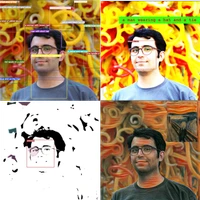
GAMMA: Revisiting Template-based Automated Program Repair via Mask Prediction
Automated program repair (APR) aims to fix software bugs without human intervention and template-based APR has been widely investigated with promising results. However, it is challenging for template-based APR to select the appropriate donor code, which is an important repair ingredient for generating candidate patches. Inappropriate donor code may cause plausible but incorrect patch generation even with correct fix patterns, limiting the repair performance. In this paper, we aim to revisit template-based APR, and propose GAMMA, to directly leverage large pre-trained language models for donor code generation. Our main insight is that instead of retrieving donor code in the local buggy file, we can directly predict the correct code tokens based on the context code snippets and repair patterns by a cloze task. Specifically, (1) GAMMA revises a variety of fix templates from state-of-the-art template-based APR techniques (i.e., TBar) and transforms them into mask patterns. (2) GAMMA adopts a pre-trained language model to predict the correct code for masked code as a fill-in-the-blank task. The experimental results demonstrate that GAMMA correctly repairs 82 bugs on Defects4J-v1.2, which achieves 20.59\% (14 bugs) and 26.15\% (17 bugs) improvement over the previous state-of-the-art template-based approach TBar and learning-based one Recoder. Furthermore, GAMMA repairs 45 bugs and 22 bugs from the additional Defects4J-v2.0 and QuixBugs, indicating the generalizability of GAMMA in addressing the dataset overfitting issue. We also prove that adopting other pre-trained language models can provide substantial advancement, e.g., CodeBERT-based and ChatGPT-based GAMMA is able to fix 80 and 67 bugs on Defects4J-v1.2, indicating the scalability of GAMMA. Overall, our study highlights the promising future of adopting pre-trained models to generate correct patches on top of fix patterns.
APRMCTS: Improving LLM-based Automated Program Repair with Iterative Tree Search
Automated Program Repair (APR) attempts to fix software bugs without human intervention, which plays a crucial role in software development and maintenance. Recently, with the advances in Large Language Models (LLMs), a rapidly increasing number of APR techniques have been proposed with remarkable performance. However, existing LLM-based APR techniques typically adopt trial-and-error strategies, which suffer from two major drawbacks: (1) inherently limited patch effectiveness due to local exploration, and (2) low search efficiency due to redundant exploration. In this paper, we propose APRMCTS, which uses iterative tree search to improve LLM-based APR. APRMCTS incorporates Monte Carlo Tree Search (MCTS) into patch searching by performing a global evaluation of the explored patches and selecting the most promising one for subsequent refinement and generation. APRMCTS effectively resolves the problems of falling into local optima and thus helps improve the efficiency of patch searching. Our experiments on 835 bugs from Defects4J demonstrate that, when integrated with GPT-3.5, APRMCTS can fix a total of 201 bugs, which outperforms all state-of-the-art baselines. Besides, APRMCTS helps GPT-4o-mini, GPT-3.5, Yi-Coder-9B, and Qwen2.5-Coder-7B to fix 30, 27, 37, and 28 more bugs, respectively. More importantly, APRMCTS boasts a significant performance advantage while employing small patch size (16 and 32), notably fewer than the 500 and 10,000 patches adopted in previous studies. In terms of cost, compared to existing state-of-the-art LLM-based APR methods, APRMCTS has time and monetary costs of less than 20% and 50%, respectively. Our extensive study demonstrates that APRMCTS exhibits good effectiveness and efficiency, with particular advantages in addressing complex bugs.
DoPTA: Improving Document Layout Analysis using Patch-Text Alignment
The advent of multimodal learning has brought a significant improvement in document AI. Documents are now treated as multimodal entities, incorporating both textual and visual information for downstream analysis. However, works in this space are often focused on the textual aspect, using the visual space as auxiliary information. While some works have explored pure vision based techniques for document image understanding, they require OCR identified text as input during inference, or do not align with text in their learning procedure. Therefore, we present a novel image-text alignment technique specially designed for leveraging the textual information in document images to improve performance on visual tasks. Our document encoder model DoPTA - trained with this technique demonstrates strong performance on a wide range of document image understanding tasks, without requiring OCR during inference. Combined with an auxiliary reconstruction objective, DoPTA consistently outperforms larger models, while using significantly lesser pre-training compute. DoPTA also sets new state-of-the art results on D4LA, and FUNSD, two challenging document visual analysis benchmarks.

Neural Point-based Volumetric Avatar: Surface-guided Neural Points for Efficient and Photorealistic Volumetric Head Avatar
Rendering photorealistic and dynamically moving human heads is crucial for ensuring a pleasant and immersive experience in AR/VR and video conferencing applications. However, existing methods often struggle to model challenging facial regions (e.g., mouth interior, eyes, hair/beard), resulting in unrealistic and blurry results. In this paper, we propose {\fullname} ({\name}), a method that adopts the neural point representation as well as the neural volume rendering process and discards the predefined connectivity and hard correspondence imposed by mesh-based approaches. Specifically, the neural points are strategically constrained around the surface of the target expression via a high-resolution UV displacement map, achieving increased modeling capacity and more accurate control. We introduce three technical innovations to improve the rendering and training efficiency: a patch-wise depth-guided (shading point) sampling strategy, a lightweight radiance decoding process, and a Grid-Error-Patch (GEP) ray sampling strategy during training. By design, our {\name} is better equipped to handle topologically changing regions and thin structures while also ensuring accurate expression control when animating avatars. Experiments conducted on three subjects from the Multiface dataset demonstrate the effectiveness of our designs, outperforming previous state-of-the-art methods, especially in handling challenging facial regions.

Co-op: Correspondence-based Novel Object Pose Estimation
We propose Co-op, a novel method for accurately and robustly estimating the 6DoF pose of objects unseen during training from a single RGB image. Our method requires only the CAD model of the target object and can precisely estimate its pose without any additional fine-tuning. While existing model-based methods suffer from inefficiency due to using a large number of templates, our method enables fast and accurate estimation with a small number of templates. This improvement is achieved by finding semi-dense correspondences between the input image and the pre-rendered templates. Our method achieves strong generalization performance by leveraging a hybrid representation that combines patch-level classification and offset regression. Additionally, our pose refinement model estimates probabilistic flow between the input image and the rendered image, refining the initial estimate to an accurate pose using a differentiable PnP layer. We demonstrate that our method not only estimates object poses rapidly but also outperforms existing methods by a large margin on the seven core datasets of the BOP Challenge, achieving state-of-the-art accuracy.